Introduction
I remember the first time I pulled off this beef steak sandwich recipe for my brother on a rainy Tuesday; the house smelled like a high-end steakhouse, and we were both starving. I had been experimenting with different cuts of meat and various bread types, trying to recreate that specific bistro experience we once had in the city. When I finally nailed the balance between the salty, seared beef and the sweet, jammy onions, I knew this was a keeper.
I keep coming back to this beef steak sandwich recipe because it feels indulgent without requiring a massive amount of kitchen equipment or hours of labor. It’s my go-to for casual Friday nights or when I want to feed a crowd something that feels special but actually comes together in less than an hour. I’ve found that it consistently outperforms the expensive takeout versions I used to order, mostly because I can control the quality of the sear and the toastiness of the bread.
Throughout this post, you will learn exactly how to manage your pan temperature to achieve a perfect crust on the meat, as well as how to slice the bread to prevent the juices from making a mess. I struggled for a while with bread that was too chewy or onions that stayed crunchy instead of melting, but I have broken down those hurdles here. You are going to end up with a sandwich that holds its structure while remaining incredibly tender with every single bite.
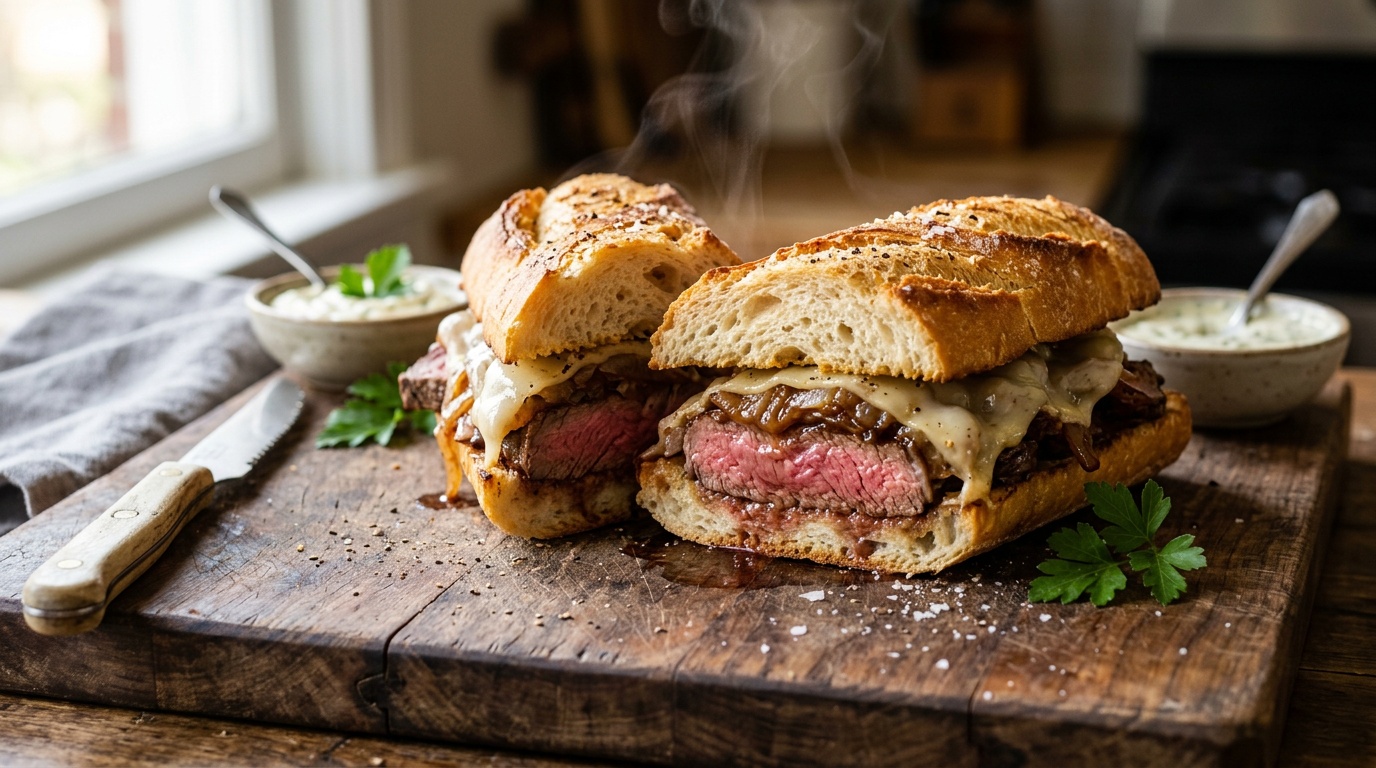
Why This Recipe Works
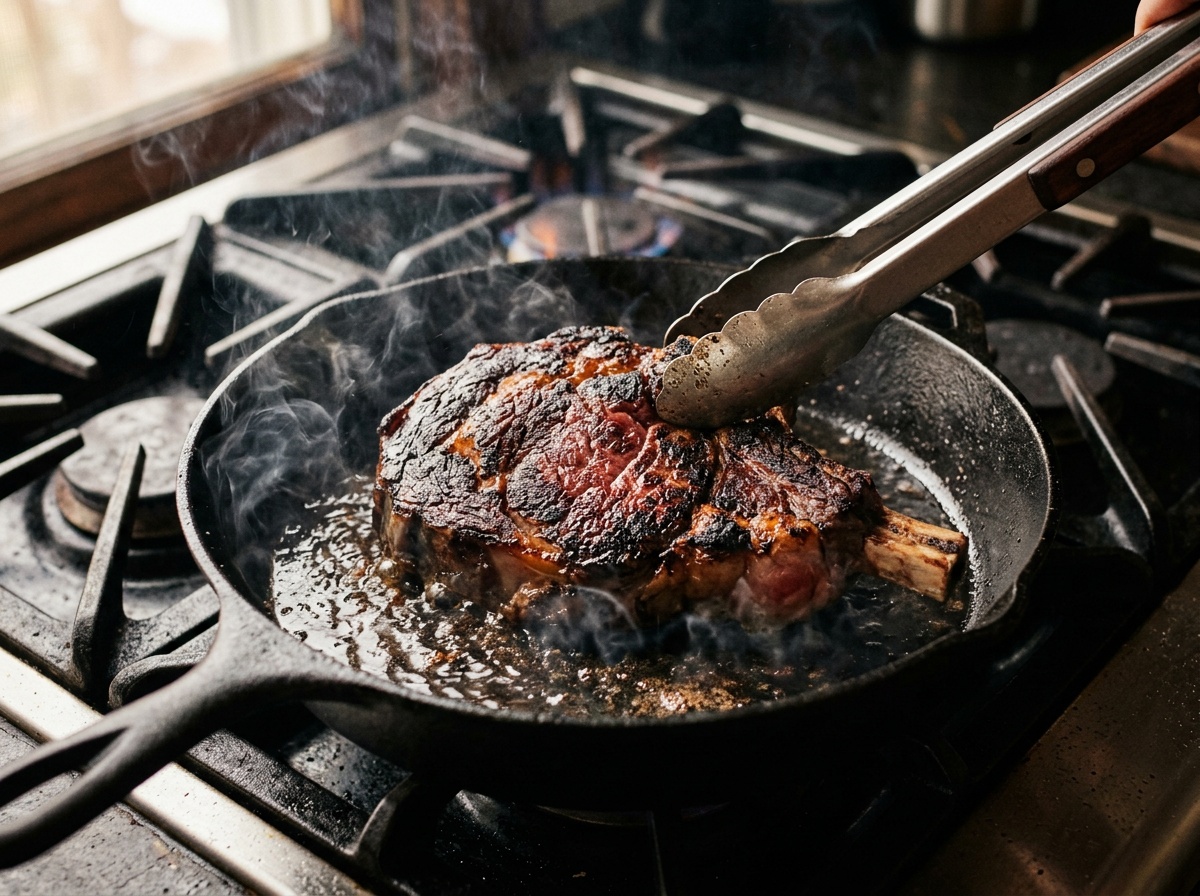
The High-Heat Sear: Using a cast-iron skillet heated until it’s smoking hot allows the beef to develop a deep, dark crust while the interior stays tender. This Maillard reaction is what gives the meat its savory, complex flavor profile that boiling or steaming simply cannot replicate. I make sure to pat the steak completely dry before it hits the pan to ensure that moisture doesn’t create steam, which would prevent that coveted sear.
Slow-Caramelized Onions: Taking twenty minutes to cook the onions down over medium-low heat transforms them into something sweet and jammy that acts as a natural sauce for the steak. As the sugars break down, they provide a deep flavor contrast to the saltiness of the beef steak sandwich recipe. I find that if I rush this step, the onions remain acidic and sharp, which doesn’t provide the mellow richness needed to balance the sandwich.
Structural Bread Choice: I specifically choose a crusty baguette or ciabatta roll because the exterior is firm enough to contain the juices without falling apart. The interior crumb is porous and absorbent, soaking up just enough of the meat drippings and aioli to add flavor to every bite without becoming soggy. If the bread is too soft, the structural integrity of the sandwich fails the moment you take that first bite.
Ingredients
For the Steak
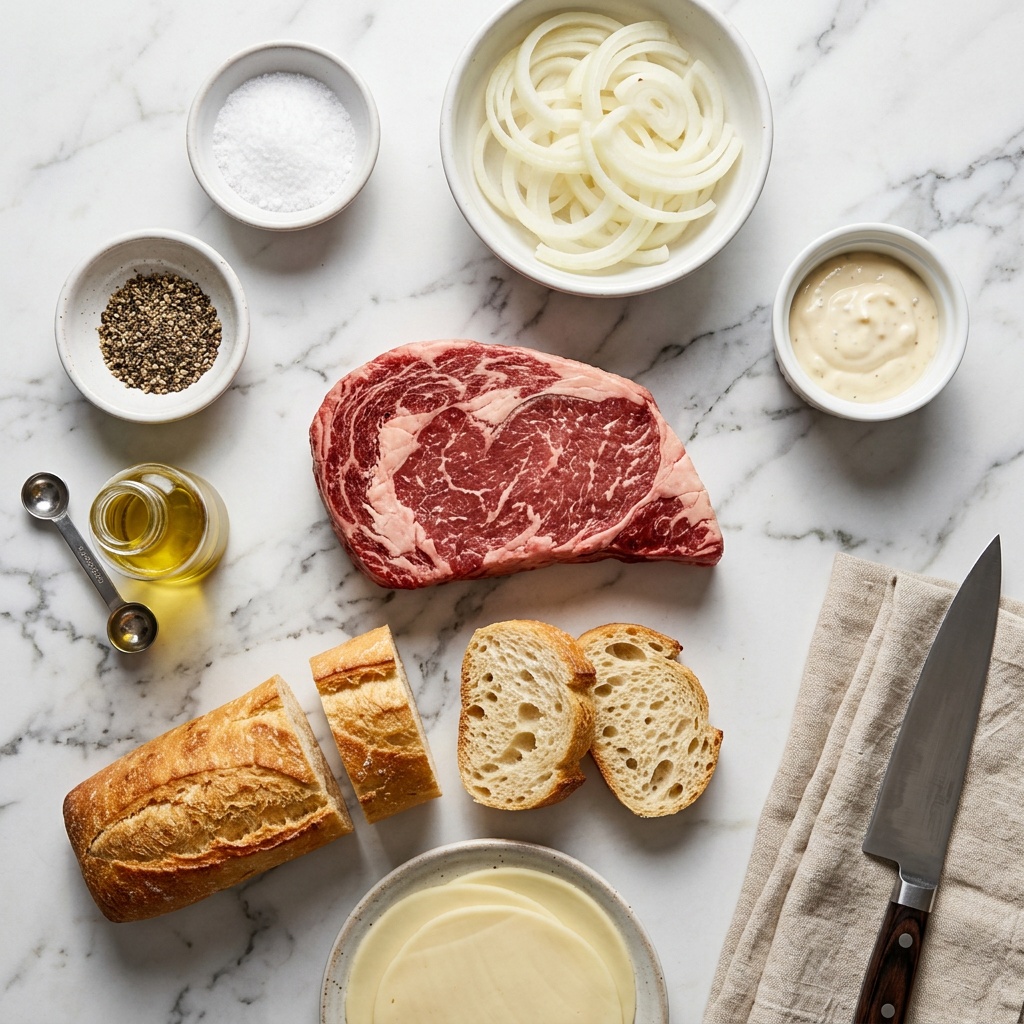
- 2 lbs ribeye steak (about 1-inch thick)
- 1 tbsp kosher salt
- 1 tsp black pepper (freshly cracked)
- 2 tbsp grapeseed oil (high heat oil)
For the Toppings and Assembly
- 2 large yellow onions (thinly sliced)
- 4 large crusty baguettes (cut into sandwich lengths)
- 4 slices provolone cheese (aged)
- 1/4 cup garlic aioli (or high-quality mayonnaise)
Instructions
1Prepare and Season the Steak
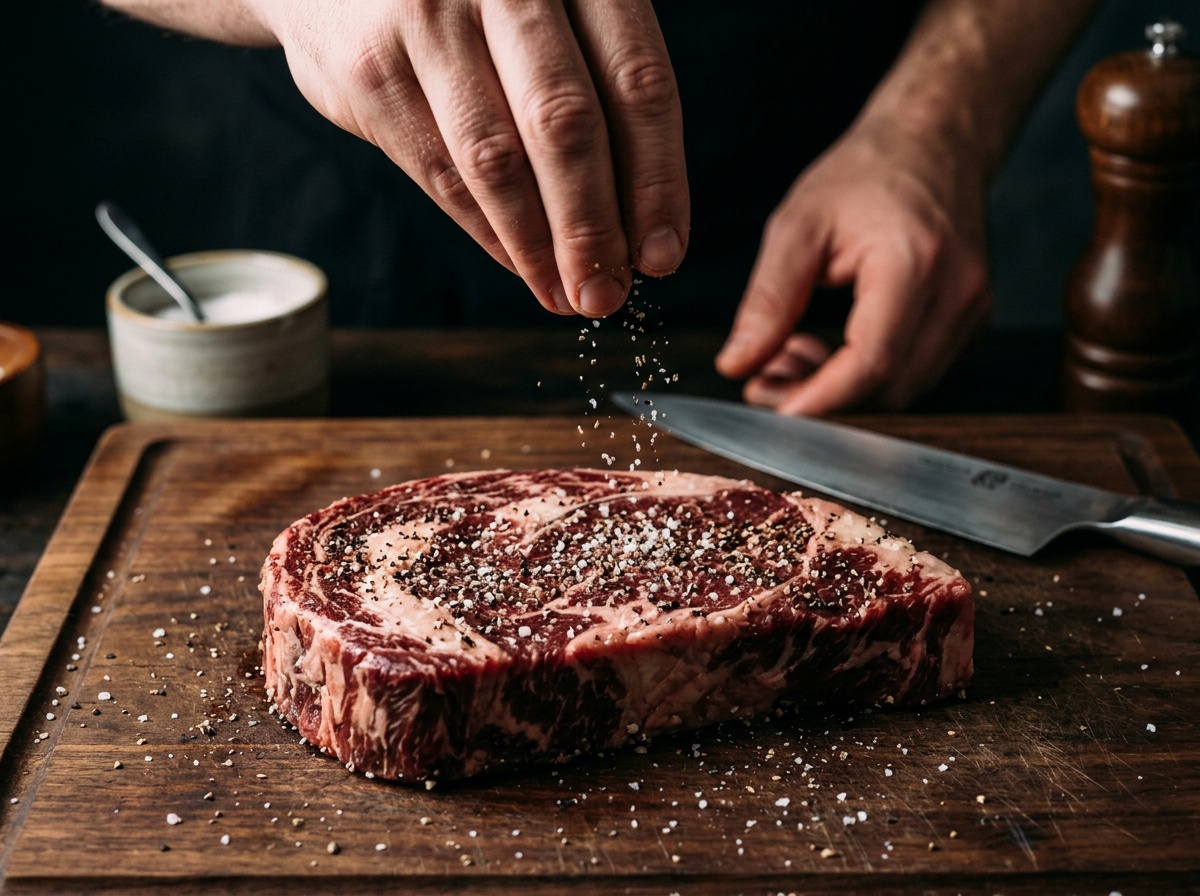
I take the ribeye out of the refrigerator 30 minutes before I plan to cook it so it can come up to room temperature. If the meat is ice-cold when it hits the pan, the outside will burn before the inside reaches that perfect medium-rare doneness. I pat the steak very dry with paper towels to ensure it browns properly rather than steaming in the pan. Then, I generously season both sides with the salt and pepper, pressing the seasoning into the meat so it adheres during the sear. I leave it on the cutting board while I start the onions, as this also acts as a mini-brine to improve the tenderness.
2Caramelize the Onions
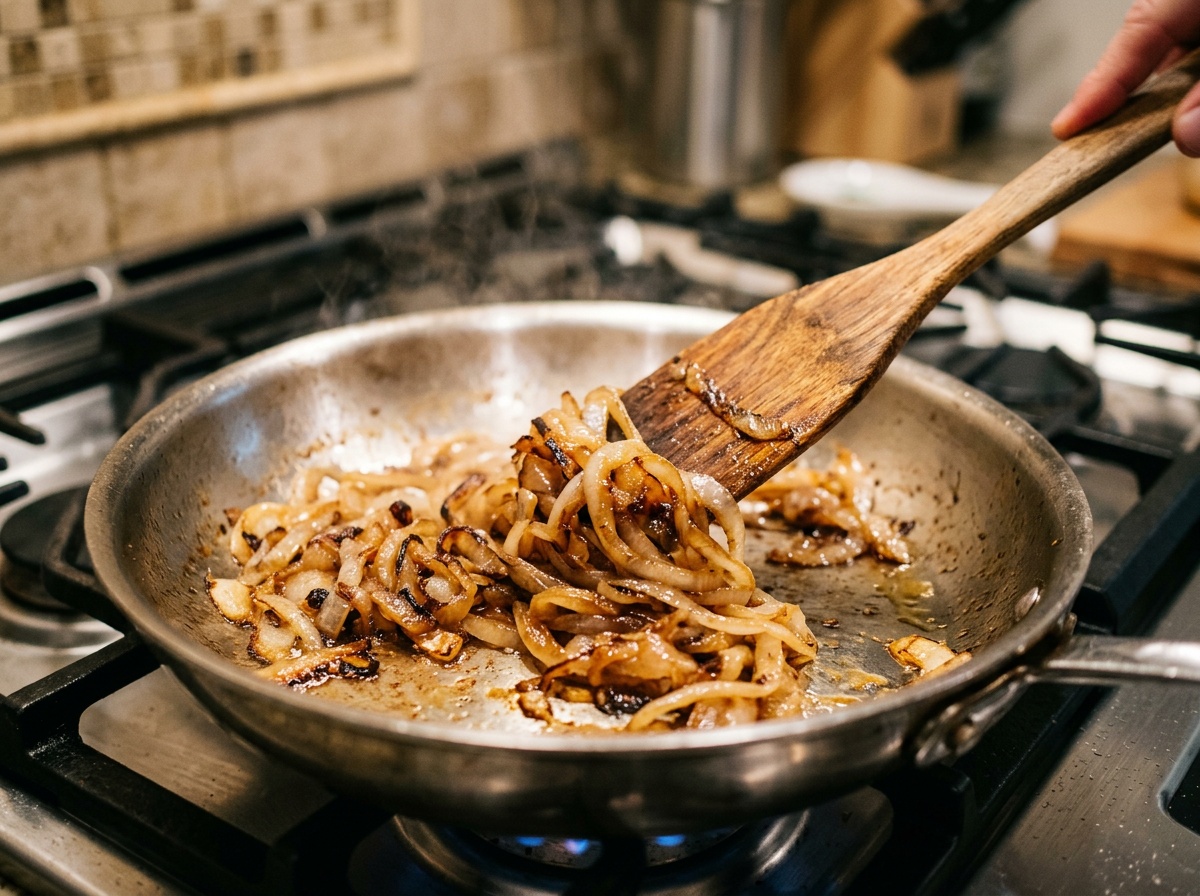
In a wide skillet, I heat a tablespoon of oil and add the sliced onions. I cook them over medium-low heat, stirring occasionally, for about 20 to 25 minutes. You are looking for a deep, golden-brown color and a soft, jam-like texture. If they start to stick or burn, I add a tiny splash of water to deglaze the pan and scrape up those flavorful browned bits. Once they are fully caramelized and sweet, I remove them from the pan and set them aside while I prepare the meat. Don’t rush this process, as it provides the essential sweetness that balances the savory beef.
3Sear the Beef
I wipe out the skillet and add the remaining grapeseed oil, cranking the heat to high until the oil is shimmering and just starting to smoke. Carefully, I place the ribeye into the hot pan and let it sear undisturbed for about 4 minutes. This is where I ensure I get that deep, charred crust typical of a quality beef steak sandwich recipe. I flip the steak once and cook for another 3 to 4 minutes until it reaches an internal temperature of 130°F for medium-rare. I remove the steak to a cutting board and let it rest for at least 10 minutes before I even think about slicing it; this allows the juices to redistribute.
4Assemble and Serve
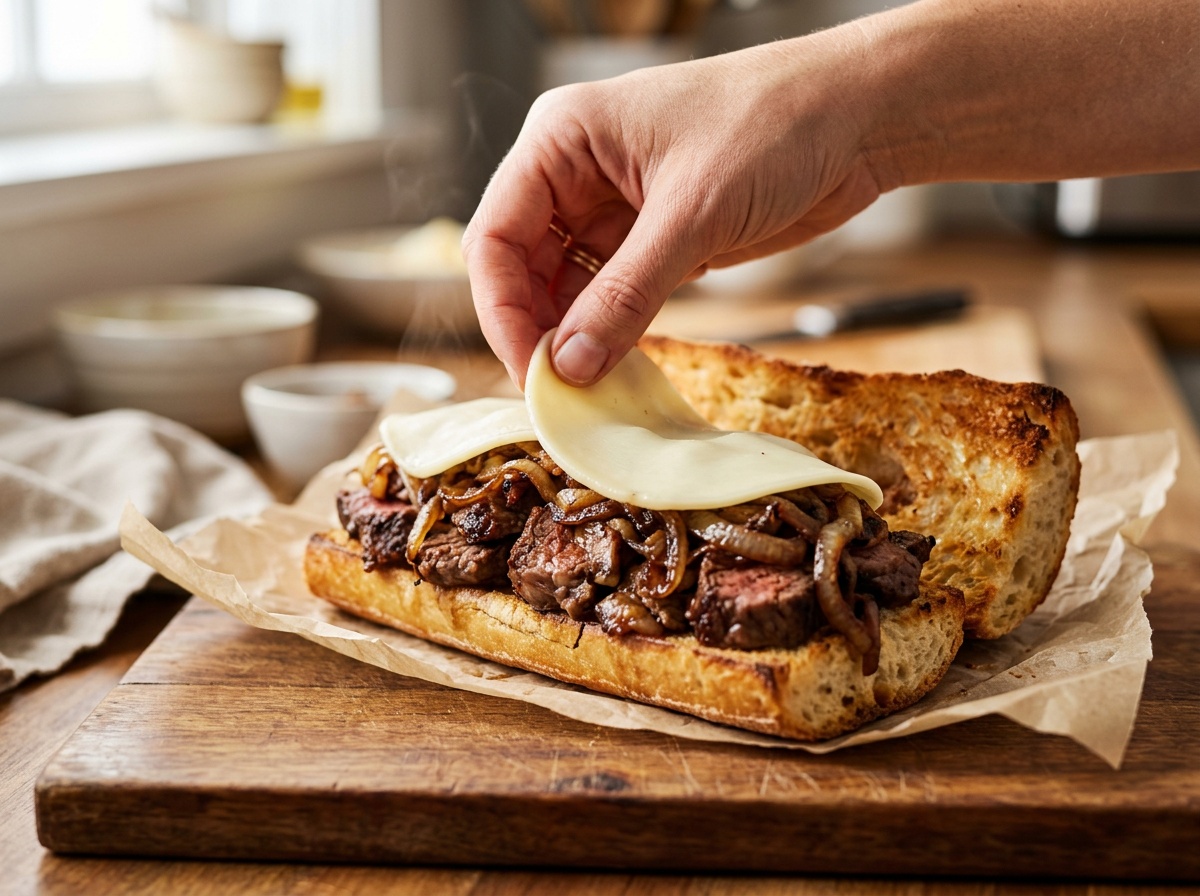
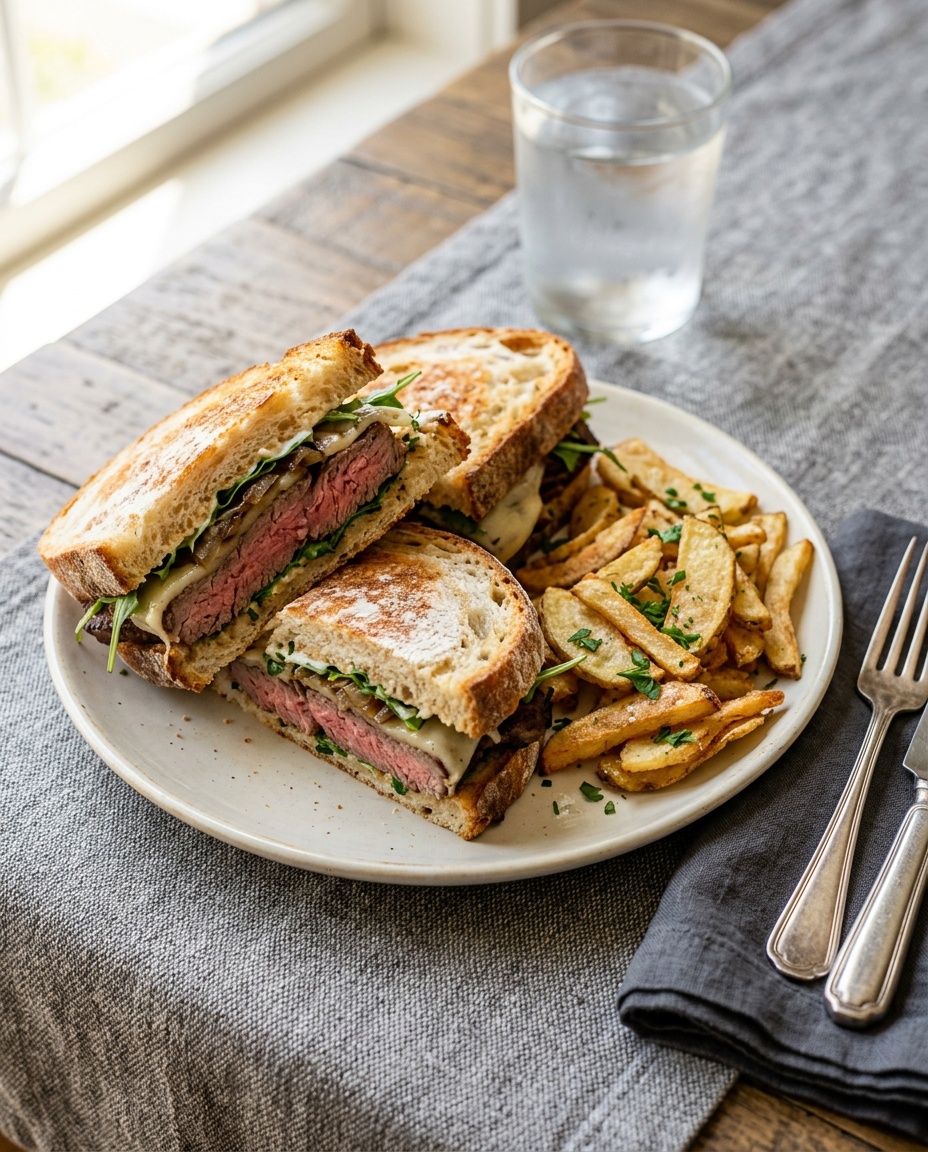
While the steak is resting, I slice my baguettes and lightly toast the cut sides in the same skillet to soak up the leftover steak fat. I spread a generous layer of garlic aioli on both sides of the toasted bread. After the steak has rested, I slice it as thinly as possible against the grain to ensure every bite is tender and easy to chew. I layer the sliced steak onto the bottom bun, top it with the warm caramelized onions, and finish with a slice of provolone. I pop the open-faced sandwiches under the broiler for 60 seconds just to melt the cheese before serving them immediately while hot.
Tips & Variations
The Resting Rule: Never skip the 10-minute rest after searing your steak. I’ve found that if you slice the meat immediately, all the juices run out onto the cutting board, resulting in a dry sandwich and soggy bread.
Slicing Against the Grain: Always look for the direction the muscle fibers run in your steak and cut perpendicular to them. This shortens the fibers, making the meat feel much more tender when you bite into the sandwich.
Cheese Selection: Provolone is my top choice, but a sharp white cheddar or even melted Gruyère works beautifully here. Avoid processed American cheese, which can feel too oily when paired with the rich ribeye.
Bread Prep: If your baguette is exceptionally crusty, you can hollow out just a little bit of the soft interior from the top half. This creates a small divot that helps keep the onions and steak in place.
Onion Consistency: If you are short on time, you can add a pinch of sugar or balsamic vinegar halfway through the onion cooking process to speed up the caramelization. Just watch the heat so the sugars don’t scorch.
Nutrition Information
Per serving (approximate values)
| Nutrient | Amount |
|---|---|
| Calories | 620 |
| Protein | 38g |
| Carbohydrates | 45g |
| Total Fat | 32g |
| Fiber | 2g |
| Sugar | 6g |
Frequently Asked Questions About the Beef Steak Sandwich Recipe
How do I store leftovers from this beef steak sandwich recipe?
▼
If you have leftovers from this beef steak sandwich recipe, store the steak and onions in an airtight container in the refrigerator for up to 3 days. Do not store them pre-assembled on the bread, as the bread will turn soggy and unappetizing. When you are ready to eat again, reheat the steak and onions gently in a skillet over low heat before placing them on fresh or lightly toasted bread.
What is the best cut of meat to use for a steak sandwich?
▼
Ribeye is my preferred choice because it has enough internal marbling to stay juicy during the high-heat sear, which is essential for a good steak sandwich. If you want a leaner option, strip steak or sirloin can work, but you must be careful not to overcook them, as they can become tough very quickly. Always look for cuts that are about one inch thick for the best results.
How can I prevent the bread from getting soggy?
▼
The trick to preventing soggy bread is to toast the buns lightly with a little bit of butter or the rendered fat from the steak before assembling. Additionally, spreading a barrier of aioli or mayonnaise on the cut sides of the bread prevents the meat juices from soaking directly into the crumb. Finally, make sure the steak has rested for at least 10 minutes so it isn’t leaking liquid when you place it on the sandwich.
Can I use a different type of cheese?
▼
Absolutely, you can swap the provolone for whatever you prefer, though I recommend something with decent meltability. Gruyère offers a nutty, sophisticated profile that pairs well with the beef, while a sharp white cheddar brings a nice tang to cut through the richness of the ribeye. Just avoid very soft cheeses like brie, which might be too overpowering for this type of savory dish.
Why does my steak feel tough to chew?
▼
If your steak feels tough, it is likely due to two reasons: you either didn’t slice it against the grain, or you cooked it past medium-rare. Slicing against the grain breaks down the tough muscle fibers, ensuring a tender texture, while cooking beyond 140°F internal temperature will cause the proteins to tighten and release all their moisture. Use an instant-read meat thermometer to ensure you pull the steak off the heat at the right moment.