Introduction
Whenever the temperature drops below freezing, this beef noodle soup recipe becomes my primary project in the kitchen. I vividly remember the first time I attempted it; I was trying to recreate a bowl I had at a tiny shop in the city, standing over my Dutch oven as the ginger and garlic bloomed, filling my entire apartment with a warmth that felt like an instant hug. It was messy, I burned the scallions once, but that first spoonful of clear, aromatic broth made all the effort feel completely worth it.
I keep this dish in my regular rotation because it manages to be both hearty and surprisingly light, unlike a lot of heavy stews that leave me feeling sluggish. It is my standard Saturday afternoon project; I love how the process forces me to slow down and stay home while the stove does the heavy lifting. Compared to simpler soups, the depth of flavor here is unmatched, mainly because it allows the beef to release its natural gelatin into the liquid over several hours.
In this guide, I will show you exactly how to achieve that clear yet intensely savory broth without needing a professional kitchen. You will learn the importance of blanching your meat to ensure clarity and how to properly toast your aromatics to extract the maximum flavor from the star anise and cinnamon. By the time we are finished, you will have a bowl that rivals your favorite takeout spot, with perfectly cooked noodles and tender, melt-in-your-mouth beef.
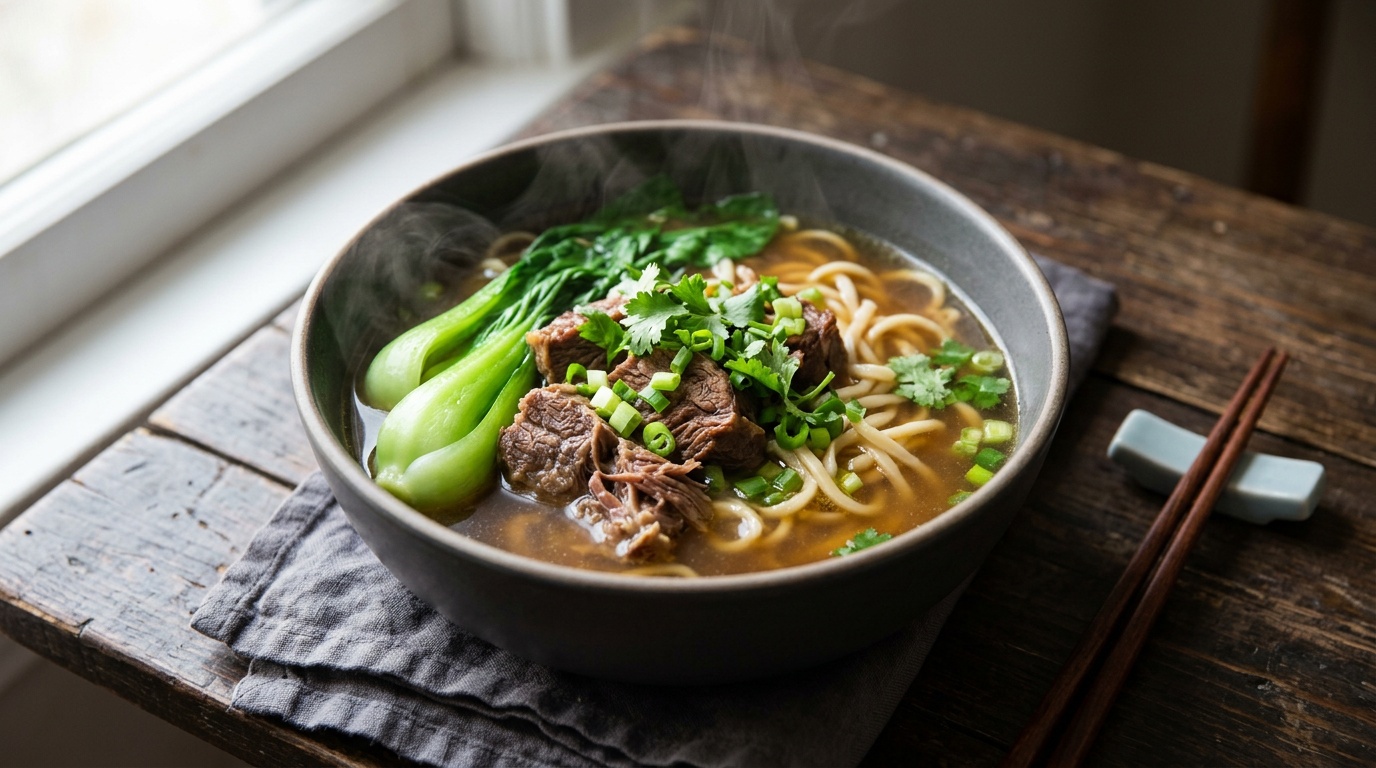
Why This Recipe Works
Blanching the Meat: I start by blanching the beef shank in boiling water for 5 minutes before the actual simmer begins. This simple, often overlooked step releases the grey scum and impurities from the bone, which ensures that your final homemade beef broth remains crystal clear rather than cloudy. It also helps lock in the clean, meaty flavor by removing surface proteins that would otherwise muddy the taste.
Toasting Aromatics: Before adding liquid to the pot, I sauté the ginger, garlic, and star anise spice in a tiny bit of oil until fragrant. This releases the essential oils from the spices, creating a base that is much more complex than just simmering them in water alone. It transforms the liquid into a sophisticated, savory soup base that carries the flavor of the beef throughout every single bite.
Slow-Simmering Collagen: This beef noodle soup recipe relies on a long, gentle simmer of at least 2.5 to 3 hours to break down the connective tissue in the beef shank. As the collagen slowly converts into gelatin, the meat becomes incredibly tender, and the broth gains a subtle, silky mouthfeel that you cannot replicate with high-heat cooking. It is a slow, chemical transformation that turns tough cuts into something luxurious.
Ingredients
For the Broth and Meat
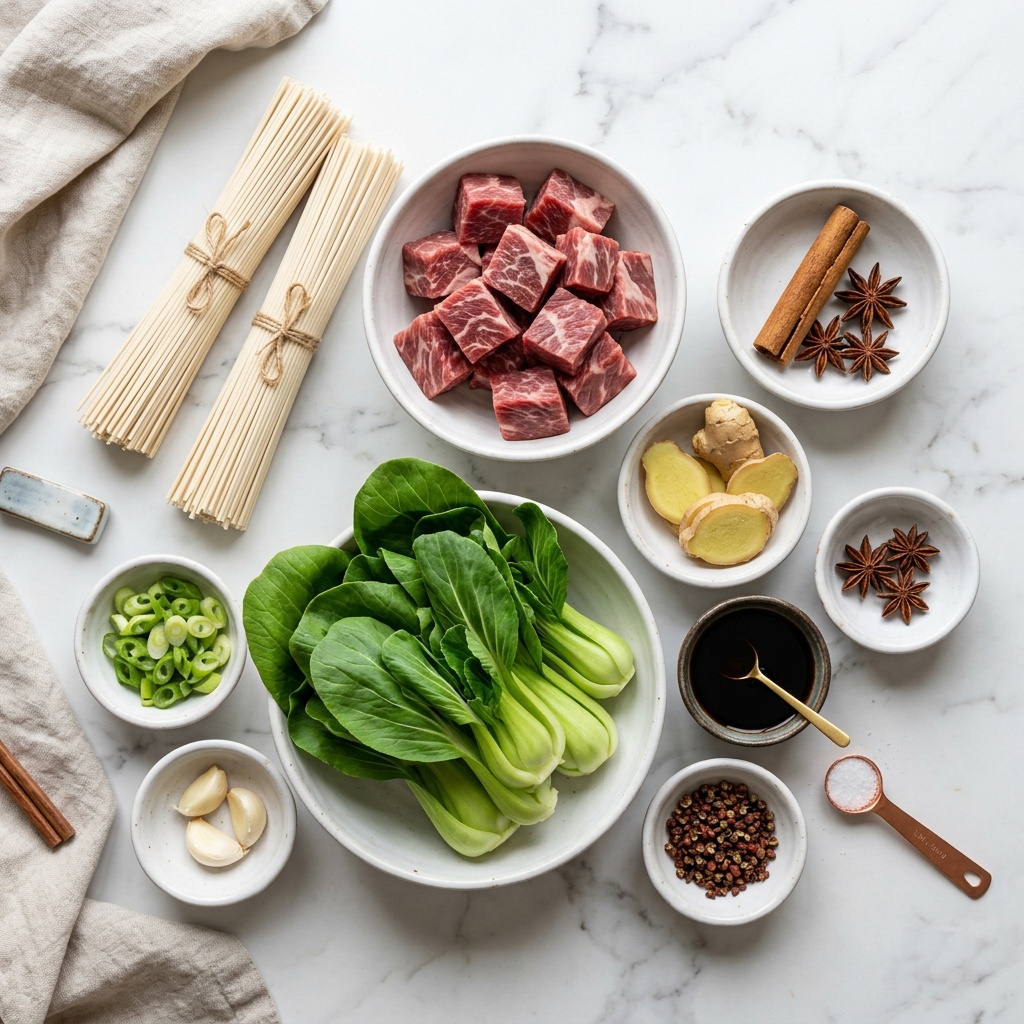
- 2 lbs beef shank (cut into 1.5-inch pieces)
- 2 inch piece ginger (smashed)
- 5 whole star anise
- 1 stick cinnamon
- 4 tbsp soy sauce (divided)
- 8 cups water (filtered)
For Serving
- 1 lb wheat noodles (fresh or dried)
- 2 heads bok choy (halved lengthwise)
- 1/2 cup cilantro (freshly chopped)
- 2 stalks scallions (thinly sliced)
Instructions
1Blanch and Sear the Beef
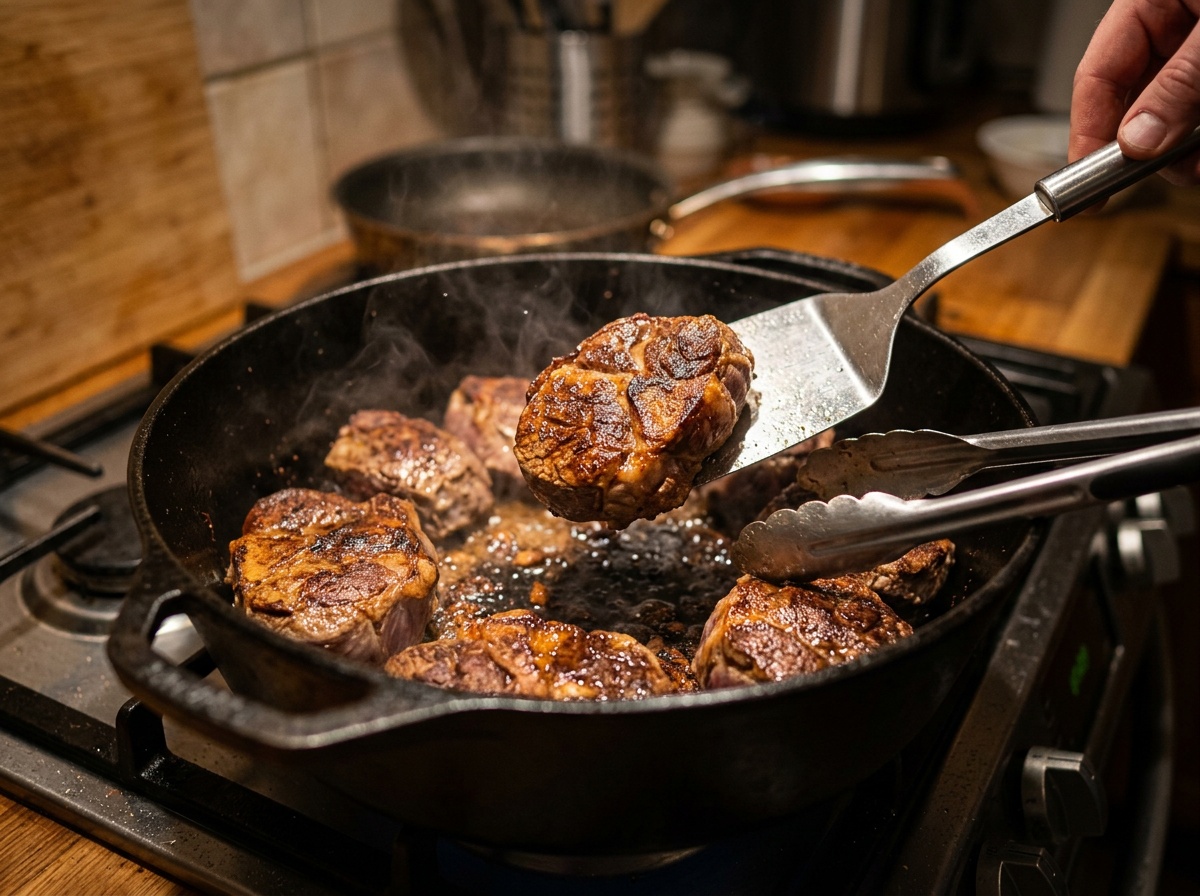
I start by placing my beef shank pieces in a large pot and covering them with cold water, bringing it to a rolling boil for 5 minutes. You will see a layer of grey foam rise to the top, which I skim off completely before draining the meat and rinsing the pieces under cold water to remove any clinging grit. Once the meat is clean, I wipe out my Dutch oven, add a splash of oil over medium-high heat, and sear the beef until browned on all sides. As I build the foundation of this beef noodle soup recipe, this browning creates the caramelized crust that will give the broth its deep, golden color later on.
2Simmer the Aromatic Broth
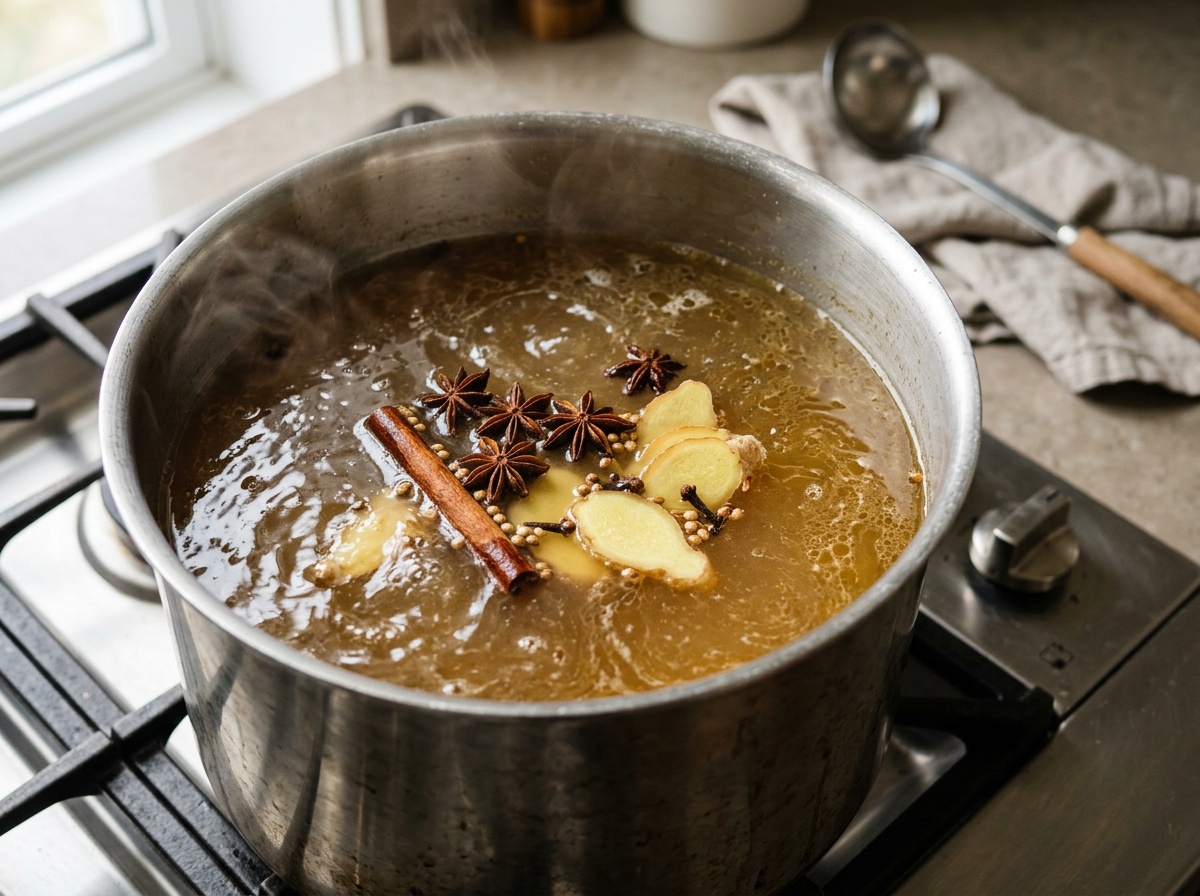
Once the beef is browned, I add the ginger, star anise, cinnamon stick, and soy sauce to the pot, stirring for about 2 minutes until I can smell the spices warming up. I pour in the 8 cups of filtered water, scraping the bottom of the pot with a wooden spoon to release any browned bits. I bring the liquid to a gentle boil, then immediately turn the heat down to the lowest setting. It needs to barely bubble for at least 2.5 to 3 hours; if the heat is too high, the broth will emulsify and become cloudy rather than clear. I keep the lid slightly ajar to let a little steam escape, checking occasionally to ensure the meat is completely submerged.
3Cook the Noodles and Greens
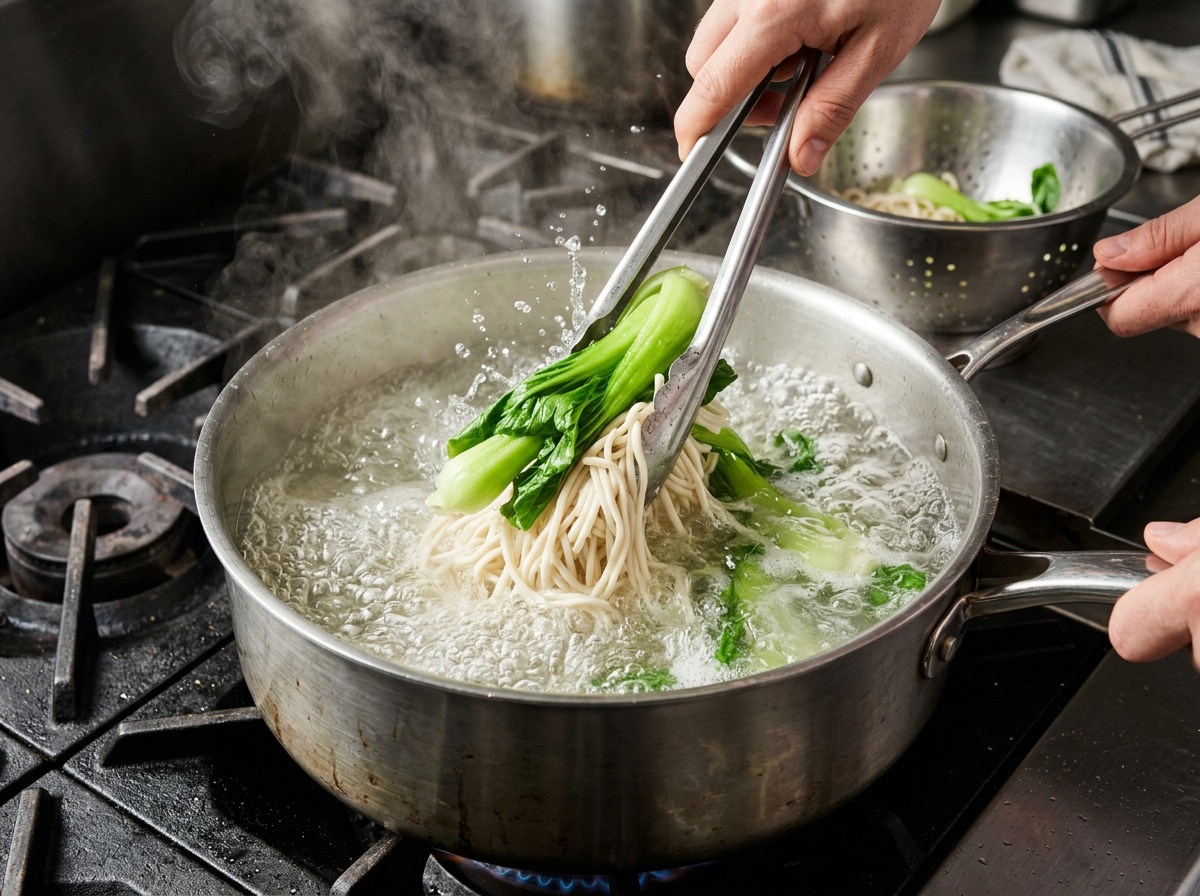
About 15 minutes before the beef is done, I bring a separate large pot of water to a boil for the noodles. If I am using fresh hand-pulled noodles, they only need about 2 to 3 minutes, but I always follow the package instructions because overcooked, mushy noodles ruin the entire texture of the bowl. During the last 60 seconds of boiling the noodles, I toss the bok choy into the same pot so they blanch lightly, turning bright green and crisp-tender. I drain everything immediately and rinse them with cool water for just a second to stop the cooking process, ensuring the noodles remain chewy and distinct when they hit the broth.
4Assemble and Garnish
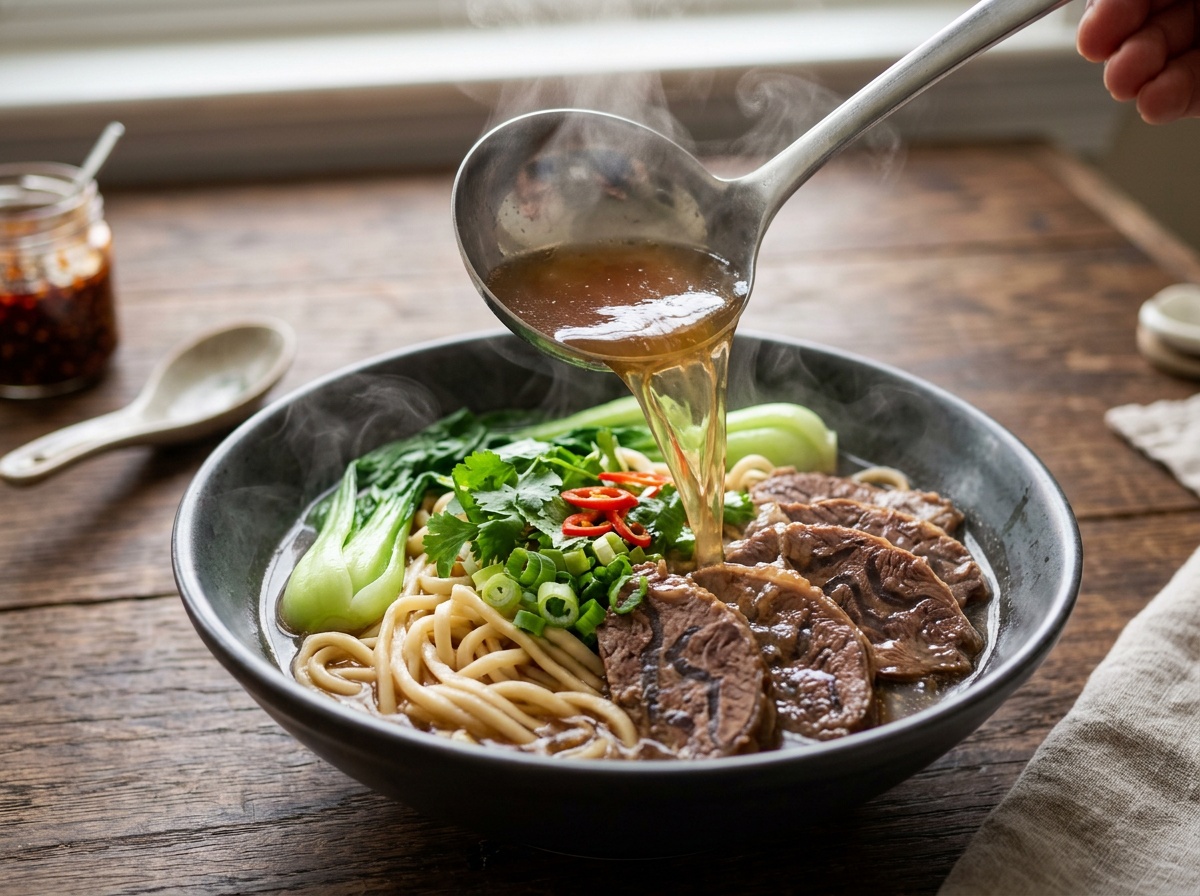
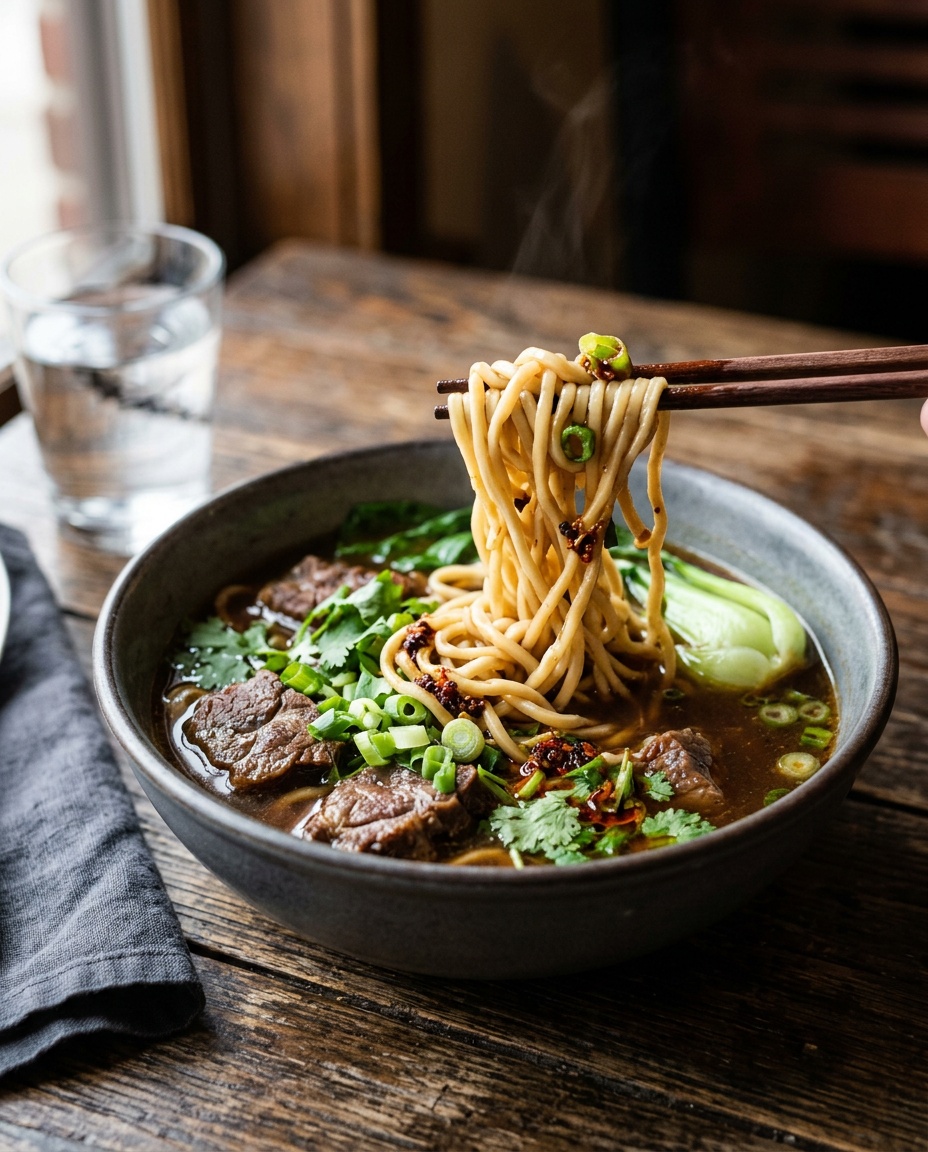
I divide the cooked noodles and blanched bok choy into four deep serving bowls. I fish the beef pieces out of the broth and place them on top of the noodles, then ladle the hot, aromatic broth over everything, making sure to strain out the star anise and cinnamon stick. The broth should be steaming hot and fragrant. I finish by scattering the fresh cilantro and scallions generously over the top. The contrast between the piping hot soup and the fresh, crisp herbs is what really brings the dish together for me, so I never skip this final step before bringing the bowls to the table.
Tips & Variations
The Clarification Trick: If you find your broth is looking cloudy, do not panic. Simply turn the heat to the absolute lowest setting and let the pot sit undisturbed for 10 minutes; the sediment will naturally settle to the bottom, allowing you to carefully ladle the clear liquid from the top without disturbing the rest.
Storage and Leftovers: The best part about this beef noodle soup recipe is how the leftovers taste the next day once the spices have had time to fully infuse the broth. Keep the broth and noodles stored separately in the fridge for up to three days, otherwise, the noodles will soak up all the liquid and become mushy.
Choosing Your Cut: I highly recommend using beef shank because it has that beautiful center of bone marrow and connective tissue that dissolves into the broth. If you cannot find shank, beef brisket or chuck roast are acceptable, but they will not provide the same silky, lip-smacking quality to the liquid as the shank does.
Spice Control: I personally love a strong anise flavor, but if you find it overpowering, remove the star anise after 1 hour of simmering. The longer the spices sit in the hot liquid, the more they release their medicinal oils, so taste the broth periodically and pull them out when it hits your desired strength.
Noodle Texture: If you are struggling to find fresh noodles, look for ramen noodles or even dried wheat noodles in the Asian aisle. The key is to cook them slightly less than the package recommends so they have a nice chew that stands up to the hot soup without turning into a soft paste.
Nutrition Information
Per serving (approximate values)
| Nutrient | Amount |
|---|---|
| Calories | 520 |
| Protein | 35g |
| Carbohydrates | 65g |
| Total Fat | 14g |
| Fiber | 3g |
| Sugar | 4g |
Frequently Asked Questions About My Beef Noodle Soup Recipe
Can I make this beef noodle soup recipe ahead of time?
▼
Yes, absolutely, and I often find it tastes better the next day as the flavors meld. You should store the broth and the noodles in separate airtight containers in your refrigerator for up to three days; simply reheat the broth until boiling and pour it over the noodles right before serving.
What is the best way to keep the beef tender during the long simmer?
▼
The secret is to maintain a very low, consistent simmer rather than a rolling boil, which can toughen the meat fibers. Keep the lid slightly ajar to regulate the temperature, and check after 2.5 hours; the beef is ready when you can easily pierce it with a fork with zero resistance.
Are there substitutions for bok choy in this soup?
▼
If you cannot find bok choy, baby spinach or napa cabbage are excellent alternatives that provide a similar texture. Stir the spinach in at the very last second before serving, as it wilts instantly, or cook the napa cabbage for 2 minutes to ensure it softens slightly without losing its bite.
How do I ensure my broth stays clear and not greasy?
▼
Blanching the meat in boiling water for 5 minutes at the start is the most important technique for a clear broth, as it removes the impurities that cause cloudiness. For the grease, use a ladle to skim any fat that rises to the surface during the final 30 minutes of the simmer.
Can I use a different type of noodle for this dish?
▼
While wheat or hand-pulled noodles are traditional, you can certainly use rice noodles or even udon if that is what you have on hand. Just remember that rice noodles cook much faster, usually in 2-3 minutes, so keep a close eye on the pot to ensure they retain a nice, firm texture.