Introduction
I still remember the first time I rushed home after a long day, staring into my fridge with zero motivation to cook. I had a package of frozen tilapia and no plan, so I decided to experiment with my air fryer out of pure desperation. It turned into the most satisfying, healthy seafood dinner I have ever pulled together in under fifteen minutes. Since that night, it has become a staple that I rely on constantly.
When I need an easy weeknight dinner that doesn’t involve cleaning a greasy skillet, I always come back to this method. Compared to pan-searing, the circulating air keeps the fish moist while gently crisping the exterior, making it superior for delicate white fish. My family actually asks for this on Tuesdays, which is high praise for a simple fish dish that comes together this fast.
In this post, I am sharing everything I have learned about perfecting air fryer tilapia recipes, including the specific tricks that prevent the fillets from falling apart. You will learn the exact techniques for getting a uniform crust and how to gauge doneness without overcooking the meat. My goal is to make sure you get a restaurant-quality texture right in your own kitchen.
Why This Recipe Works
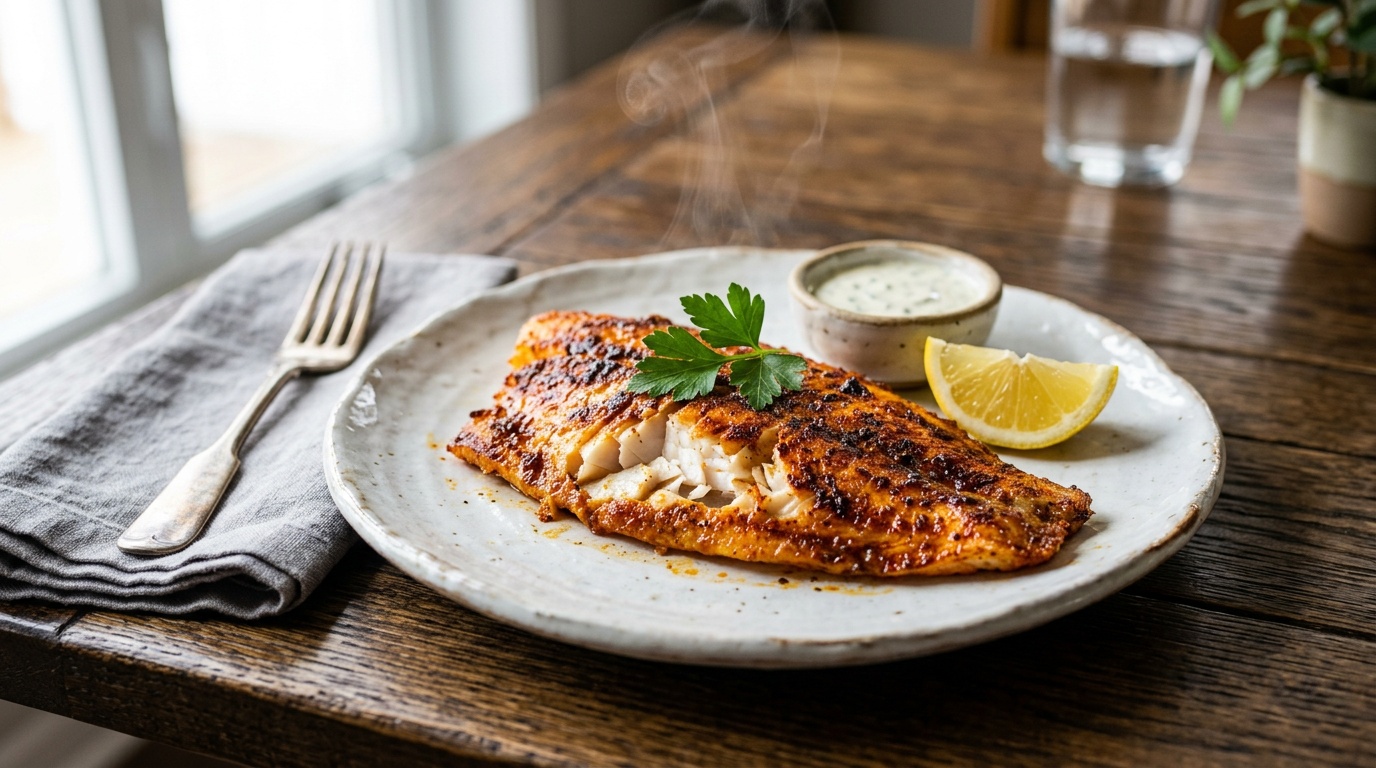
Moisture Management: The secret to the best crispy air fryer fish is absolute dryness before seasoning. I always use a paper towel to pat the fillets until they are completely dry, because excess surface moisture creates steam instead of a nice sear. By eliminating that moisture, the hot air can interact directly with the surface of the protein to create a much better texture.
Thermal Convection: Unlike a traditional oven, an air fryer acts like a miniature, high-powered convection oven by circulating extremely hot air at high speeds. This physical process dehydrates the outer layer of the fish quickly, which creates that golden, slightly crunchy crust while keeping the inside tender. It is the physics of airflow that allows the tilapia fillets to cook evenly without me having to flip them aggressively.
Oil Application: I use a small amount of oil not just for non-stick purposes, but to facilitate the Maillard reaction. This chemical reaction occurs when the heat interacts with the amino acids and reducing sugars in the fish, browning the protein and creating complex flavors. Without the oil coating, the fish would likely dry out or turn grey instead of developing that appetizing golden-brown color.
Ingredients
The Fish and Seasoning
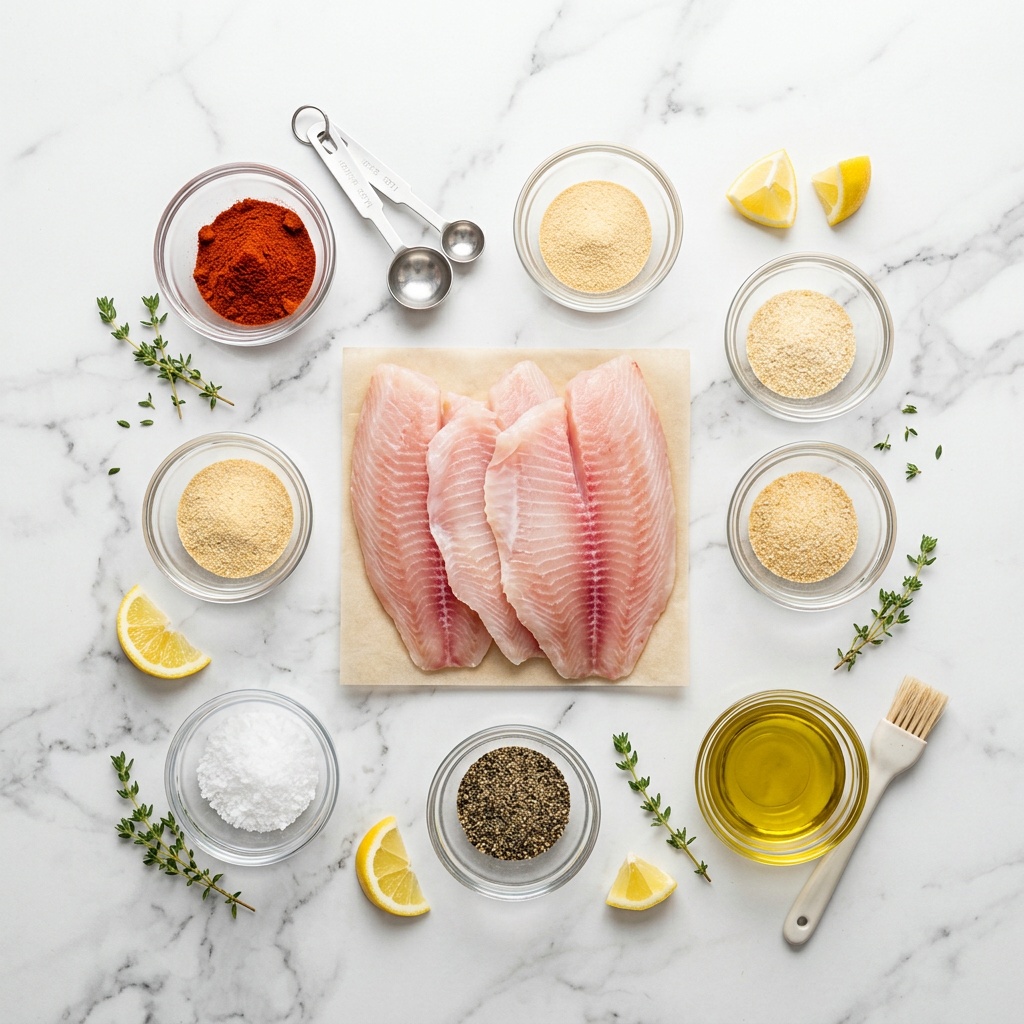
- 4 fillets tilapia (fresh or fully thawed)
- 1 tbsp olive oil (high smoke point preferred)
- 1 tsp paprika (smoked for deeper flavor)
- 1/2 tsp garlic powder
- 1/4 tsp onion powder
- 1/2 tsp kosher salt
- 1/4 tsp black pepper (freshly cracked)
Instructions
1Dry and Season the Fish
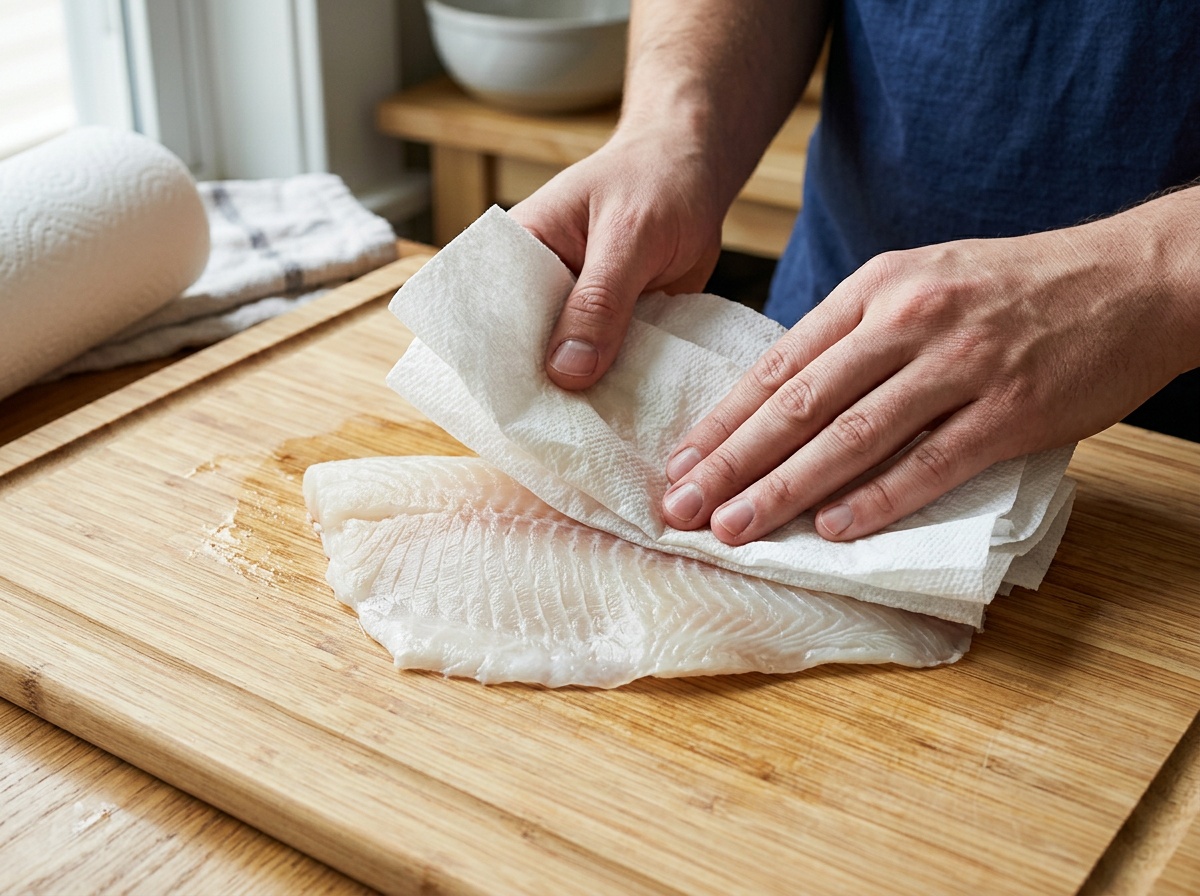
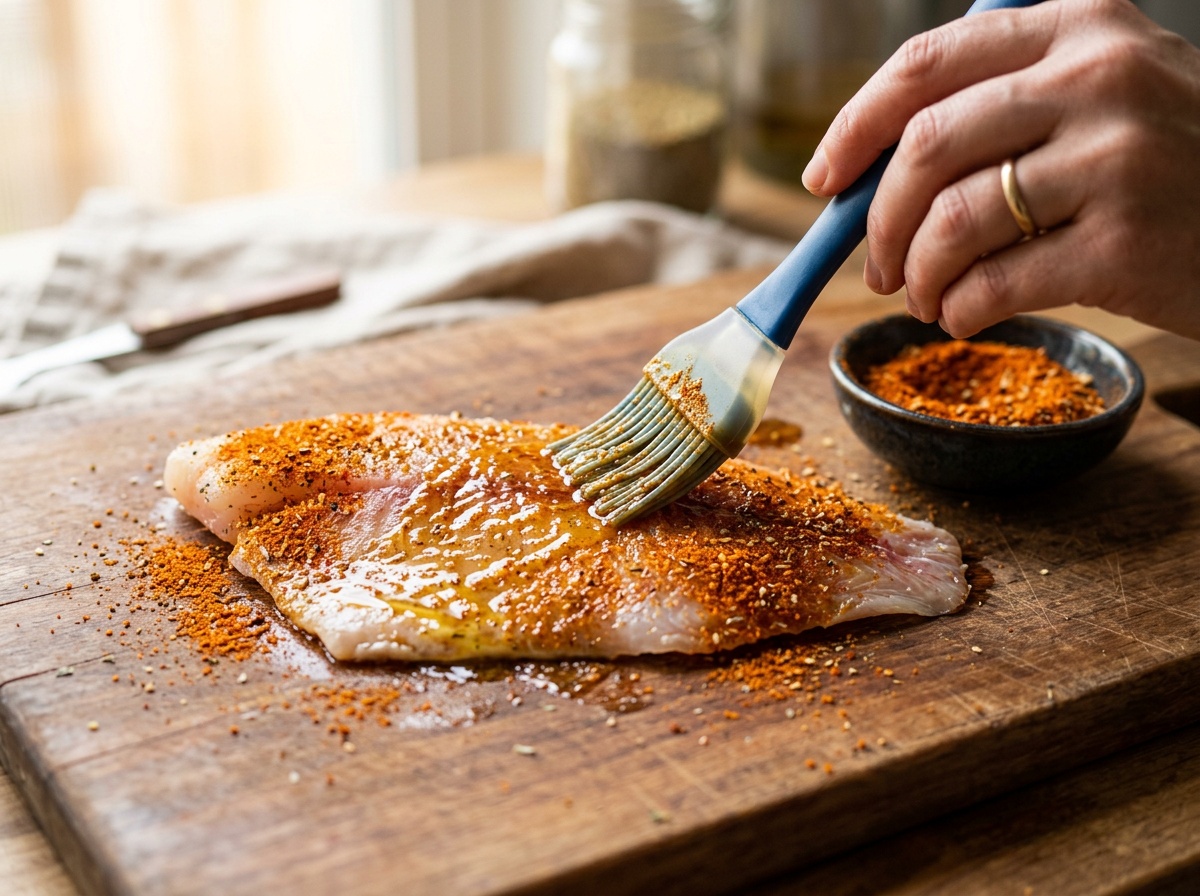
I start by preheating my air fryer to 375°F for about three minutes; I find that starting with a hot basket prevents the fish from sticking immediately. While that heats up, I lay my tilapia fillets on a paper towel-lined plate and press down firmly with more paper towels until they are bone-dry. This step is non-negotiable if you want a decent texture. I mix the paprika, garlic powder, onion powder, salt, and pepper in a small ramekin. I brush the olive oil onto both sides of the fish and then sprinkle my dry spice mix evenly over the surface, rubbing it in gently with my fingertips.
2Air Fry the Fillets
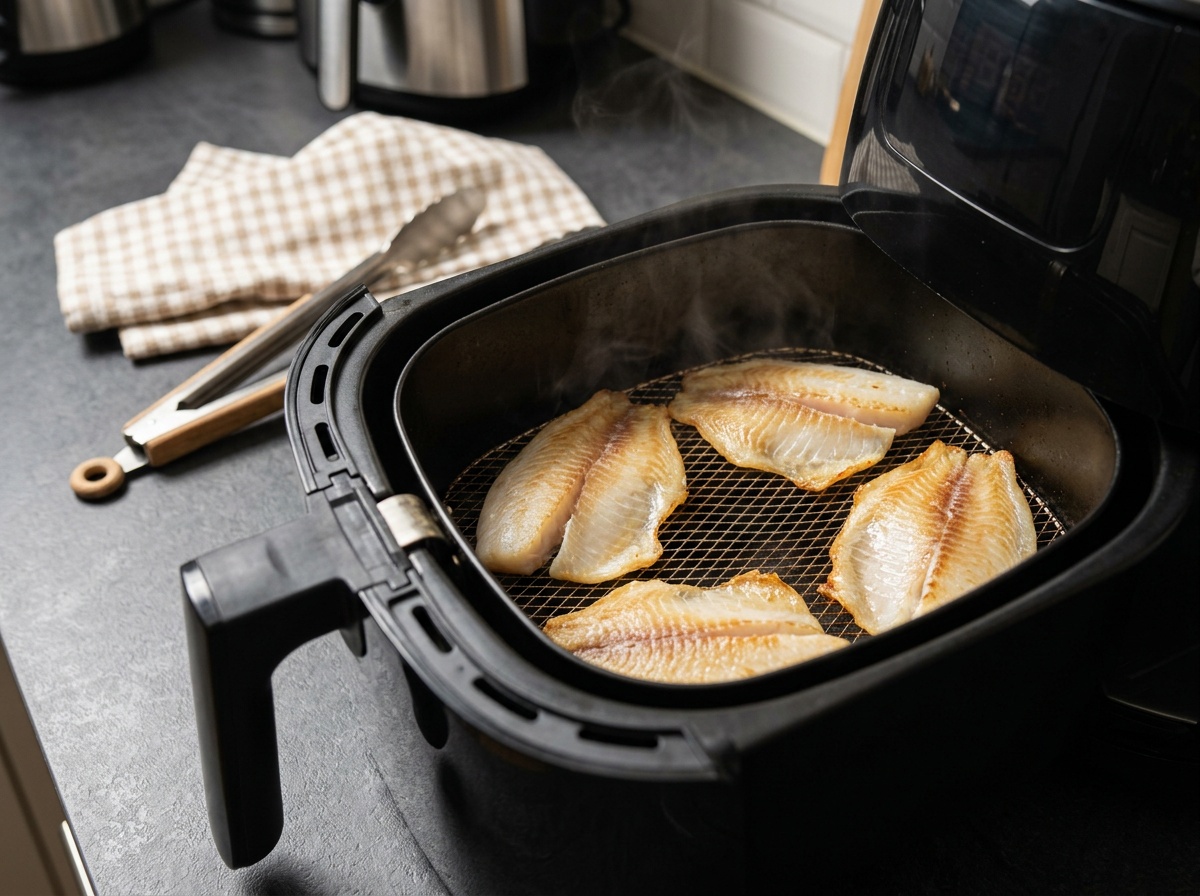
Once the air fryer is hot, I place the seasoned fish fillets into the basket in a single layer. I make sure they aren’t touching or overlapping, as this would block the airflow and result in steamed, soggy fish instead of crispy edges. If you have a smaller basket, do this in two batches rather than crowding it. I set the timer for 10 minutes, but I always check them at the 8-minute mark because air fryer models vary significantly in power. You are looking for an internal temperature of 145°F, and the flesh should be opaque and flake easily when pressed with a fork.
3Rest and Serve
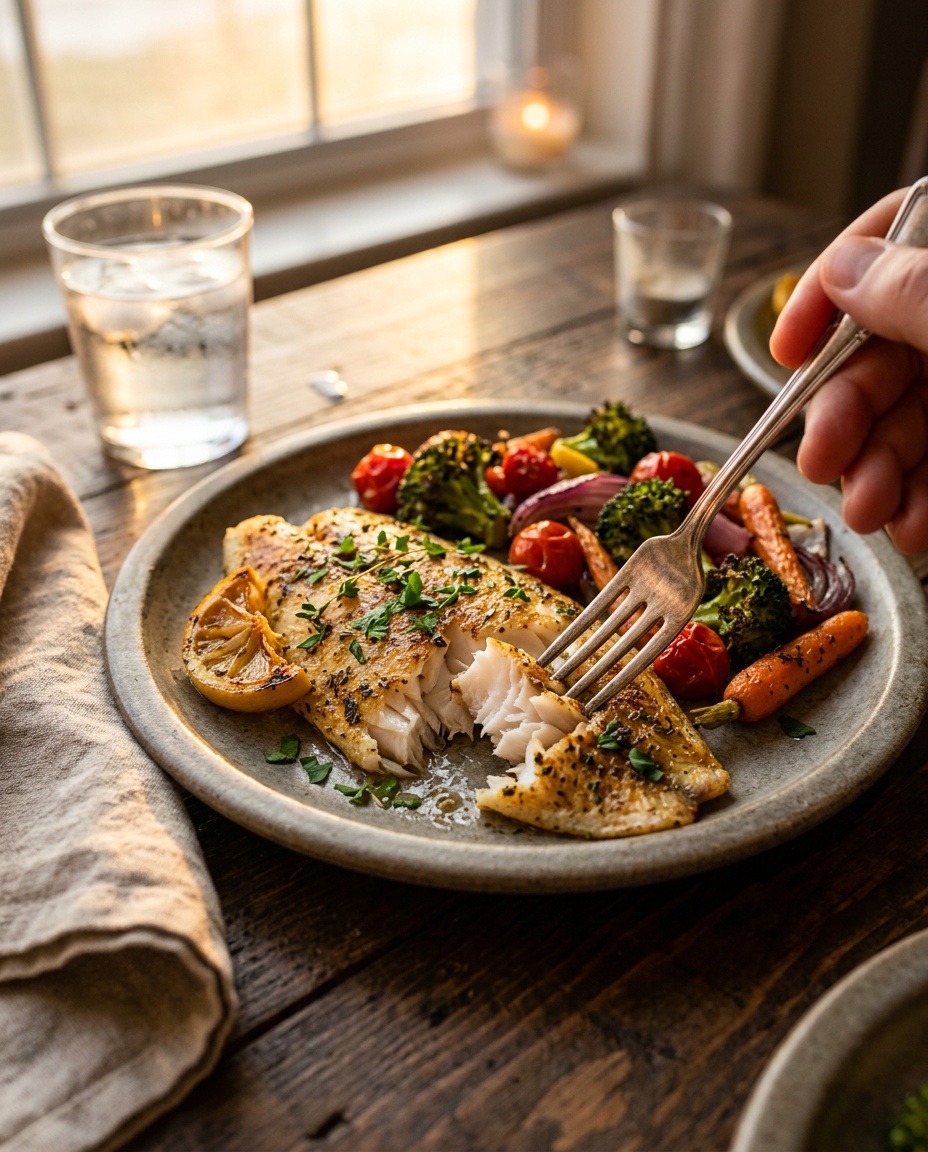
Once the timer goes off, I carefully transfer the fish to a warm plate using a wide silicone spatula—it is fragile, so I go slowly. I let the fish rest for two minutes before serving. This rest allows the juices to redistribute back into the meat rather than running out onto the plate the moment I cut into it. I usually squeeze a wedge of fresh lemon over the top right before eating to brighten the savory notes from the spice rub. This process ensures a light, delicious meal every single time, which is exactly why I keep this in my regular rotation.
Tips & Variations
Avoid Overcrowding: The air fryer works by moving hot air around the food, so if the basket is packed, the air cannot reach the sides of the fish. I always cook in a single layer with at least half an inch of space between fillets, which is better for getting that consistent crust.
Managing Frozen Fish: If you are starting with frozen fish, make sure it is completely thawed in the refrigerator overnight. If you cook it straight from frozen, the outside will burn before the center reaches a safe temperature, and you will end up with a watery, rubbery mess.
Perfecting Air Fried Tilapia Time and Temp: I have found that 375°F is the sweet spot for these seasoned fish fillets. Cooking higher than 400°F often scorches the spice rub before the fish is cooked through, so I stick to 375°F to ensure the spices toast properly without turning bitter.
Easy Cleanup: To make cleanup painless, I sometimes use a piece of parchment paper designed for air fryers, but only if it has holes to allow for airflow. If I don’t have those, I just give the basket a good soak in hot soapy water immediately after removing the fish while the residue is still soft.
Storage and Reheating: Leftovers store well in the fridge for up to two days in an airtight container. To reheat, I put them back in the air fryer at 350°F for 3-4 minutes, which brings back the crispness better than a microwave ever could.
Nutrition Information
Per serving (approximate values)
| Nutrient | Amount |
|---|---|
| Calories | 165 |
| Protein | 26g |
| Carbohydrates | 2g |
| Total Fat | 5g |
| Fiber | 0g |
| Sugar | 0g |
Frequently Asked Questions About Air Fryer Tilapia Recipes
Can I use frozen fillets for these air fryer tilapia recipes?
▼
While you can technically cook fish from frozen in an air fryer, I highly recommend thawing the fillets completely first for the best texture. If you must cook them frozen, add 3-5 minutes to the cooking time and lower the temperature to 350°F to ensure the center cooks before the surface dries out. Always check that the internal temperature reaches 145°F using an instant-read thermometer.
Why does my fish stick to the air fryer basket?
▼
Fish tends to stick because the basket wasn’t hot enough or the fish was wet when you put it in. I always preheat the basket for at least 3 minutes at 375°F and pat the fish completely dry with paper towels before oiling. If you are still worried about sticking, a light mist of avocado oil spray on the rack helps immensely.
How do I know when the fish is fully cooked?
▼
The most accurate way to tell is by using a digital food thermometer inserted into the thickest part of the fillet; you want it to register exactly 145°F. Visually, the flesh should look opaque, white, and pull apart easily with a fork. If the fish still looks translucent or resists flaking, give it another 1-2 minutes of cooking time.
Can I use different spices for the seasoning rub?
▼
Absolutely, the seasoning blend is very flexible and can be customized to your taste. I often swap the paprika for cajun seasoning for a kick, or use dried dill and lemon pepper for a lighter, brighter flavor profile. Just be mindful of salt content in pre-mixed blends and adjust your added salt accordingly to keep the dish balanced.
Should I flip the fish halfway through cooking?
▼
In most air fryer models, you do not need to flip the fish because the hot air circulates both above and below the food basket. Flipping often leads to the delicate fish breaking apart, especially since the crust is soft initially. I suggest leaving them undisturbed for the entire 10-minute cooking cycle to keep the presentation nice and clean.