Introduction
There is nothing quite like the smell of a classic creamed chipped beef recipe wafting through the house on a quiet Sunday morning. I remember standing on a kitchen stool watching my grandfather carefully stir the white sauce, explaining that the key was low heat and a steady hand. This dish was the first thing I learned to cook in his kitchen, and it immediately became a staple for my own family whenever we need something warm, savory, and familiar.
I keep coming back to this because it is the ultimate comfort food breakfast, far surpassing those boxed versions or instant packets I tried in my twenties. When I want a meal that feels like a hug without spending hours prepping, this is exactly what I reach for. It is much more satisfying than oatmeal or eggs alone, especially when spooned over a thick slice of toasted sourdough that has been buttered just enough to keep the edges crispy.
In this post, I will walk you through exactly how I build my version from scratch, focusing on getting that silky, perfectly thickened gravy texture every single time. We will avoid the dreaded lumpy sauce by managing our heat and fat correctly, and I’ll share the specific seasoning balance that makes this meal taste honest and real. By the end, you’ll have a foolproof method for creating a rich sauce that clings beautifully to the salty, tender beef.
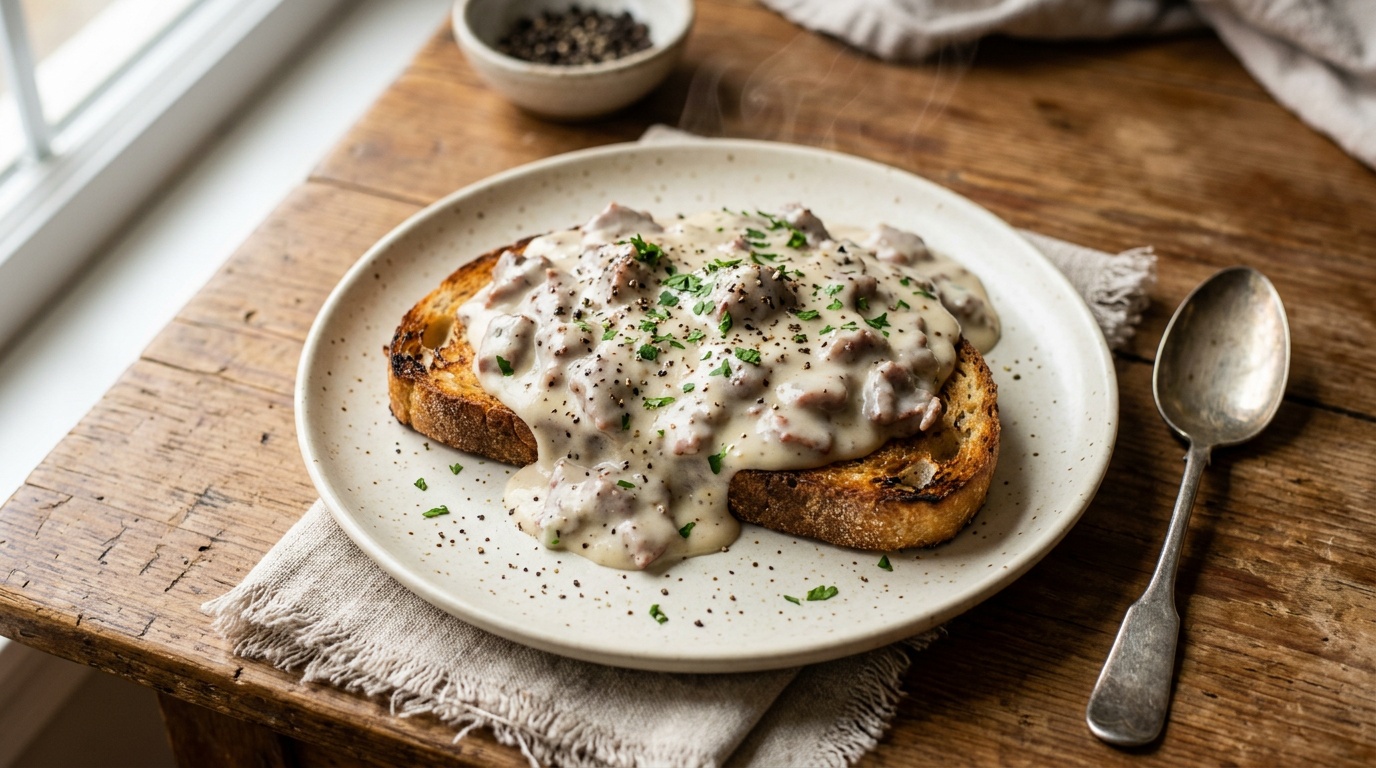
Why This Recipe Works
The Flour-Fat Roux: Starting with equal parts butter and flour is the foundation of any good homemade chipped beef gravy. When I cook the flour in the rendered fat from the beef for about a minute, it toasts the grain and removes the raw, chalky taste that often ruins beginner sauces. This chemical process of toasting the flour ensures the final sauce has a nutty depth rather than a flat, pasty flavor profile.
Controlled Tempering: The secret to a silky, lump-free creamy white sauce recipe is adding the milk slowly rather than dumping it all in at once. I find that whisking in just a half-cup of milk first allows the flour and butter to hydrate and form a smooth paste before the rest of the liquid is introduced. This method prevents large clumps from forming, creating a consistent, velvety emulsion that clings to the beef perfectly.
Beef Sauté Technique: I always sauté the dried beef in butter before adding any flour to the pan, which helps render out some of the salt and creates a deeper flavor foundation. This step, essential to a successful creamed chipped beef recipe, allows the beef to crisp up slightly on the edges. That little bit of browning adds texture, ensuring the meat doesn’t just turn mushy when it hits the liquid.
Ingredients
For the Creamed Beef
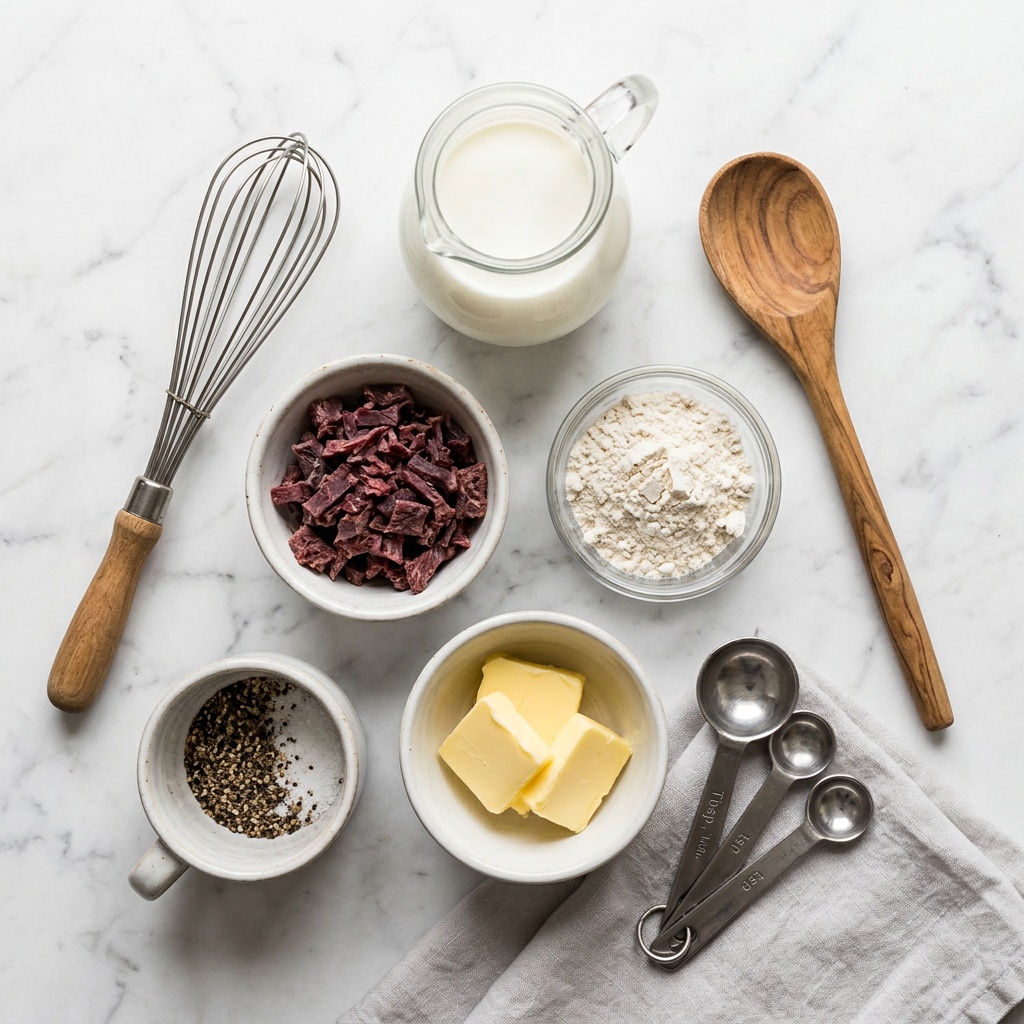
- 4 oz dried chipped beef (rinsed and chopped)
- 3 tbsp unsalted butter
- 3 tbsp all-purpose flour
- 2 cups whole milk (room temperature)
- 1/4 tsp black pepper (freshly cracked)
For Serving
- 4 slices thick-cut bread (toasted)
Instructions
1Sauté the Dried Beef
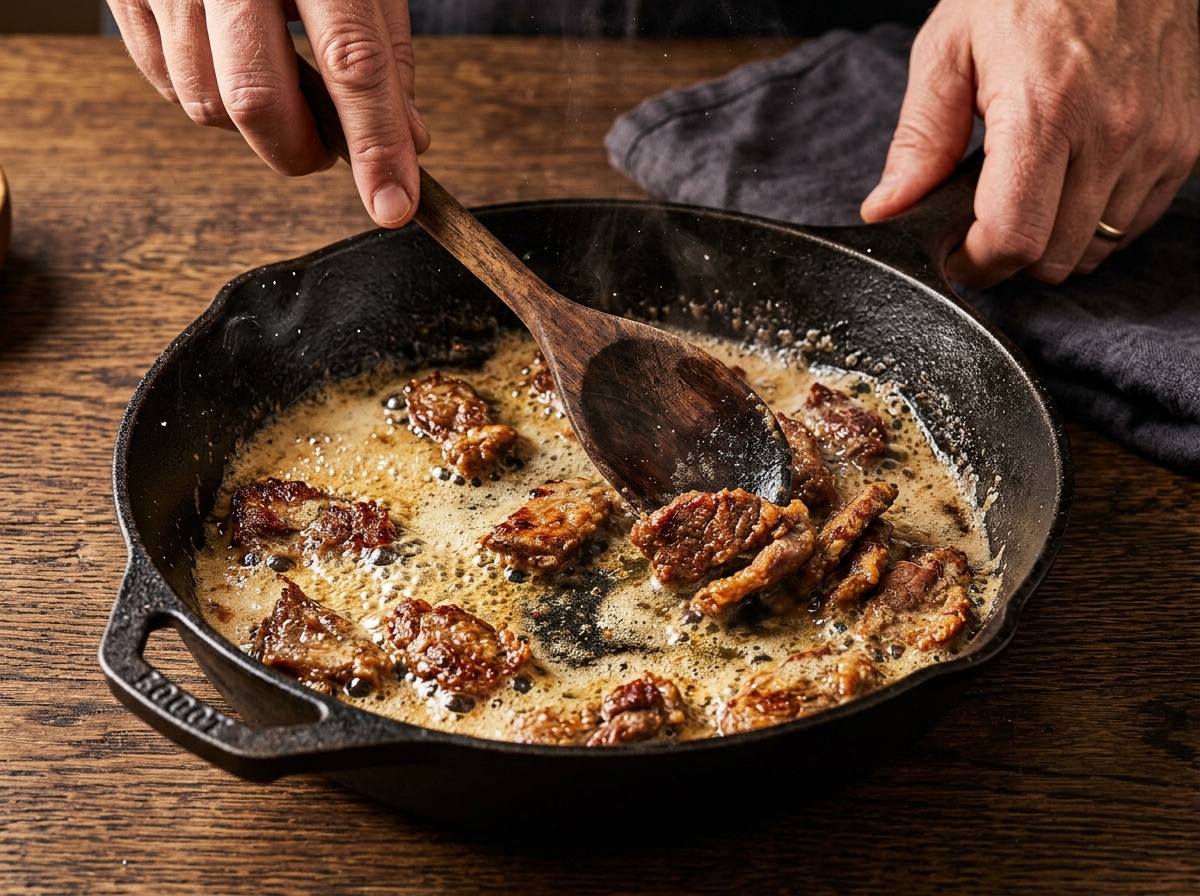
I begin by preparing the beef. Since dried beef is naturally very salty, I rinse it briefly under cold water and pat it dry with a paper towel before chopping it into rough, bite-sized pieces. I melt the butter in a 10-inch skillet over medium heat until it starts to foam. I toss in the beef and sauté it for about 3 to 4 minutes. You are looking for the edges of the beef to start curling up and getting slightly crispy, which adds a great texture to the final dish. Don’t rush this, as the rendered fat from the beef will flavor the entire sauce.
2Create the Roux
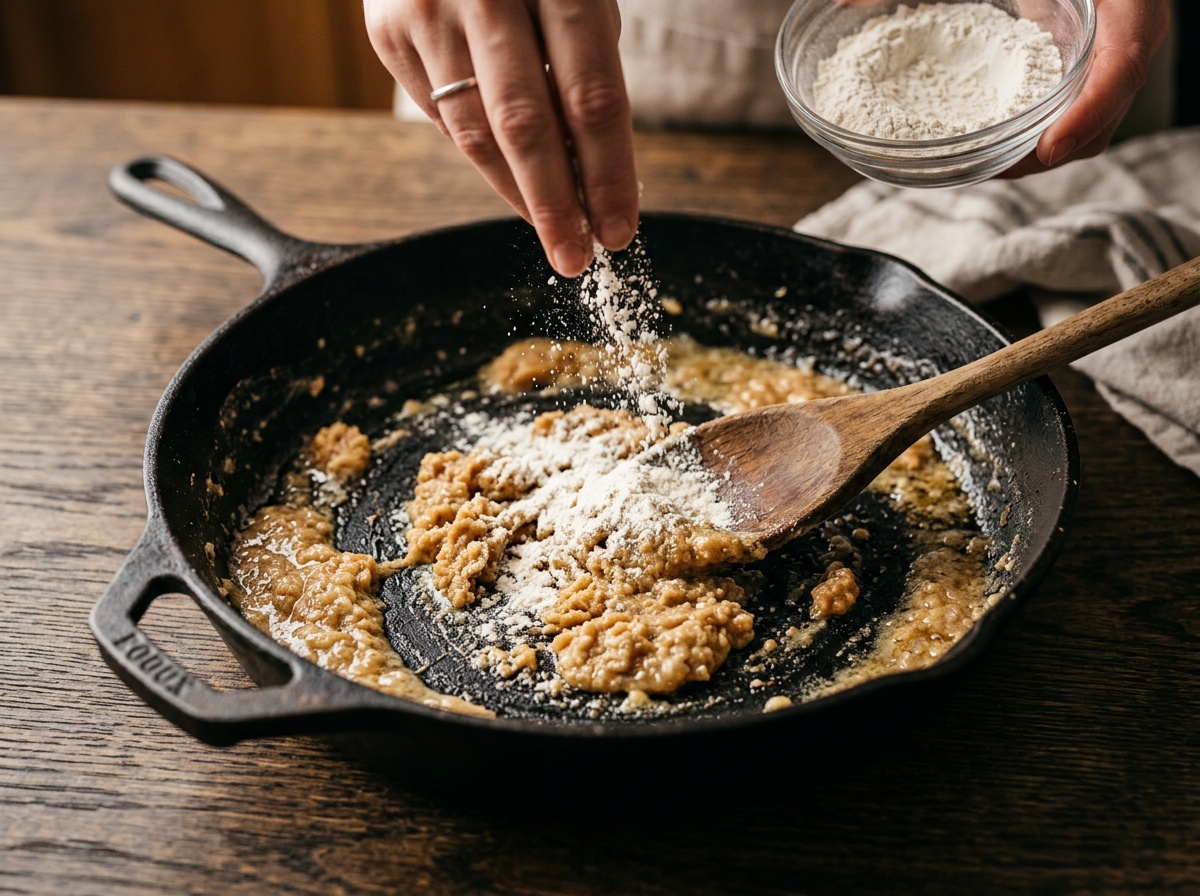
Once the beef is browned, I sprinkle the flour directly over the meat and butter in the pan. I stir constantly with a wooden spoon or silicone spatula for about 60 to 90 seconds. You want the flour to be completely absorbed by the fat and butter mixture, and it should smell faintly toasted, like pie crust. If it looks too dry or crumbly, I add a tiny extra pat of butter. This step is the most critical for a good creamy white sauce recipe; if you don’t cook the flour long enough, your gravy will taste pasty, and if you cook it too long, it will burn and turn bitter.
3Thicken the Sauce
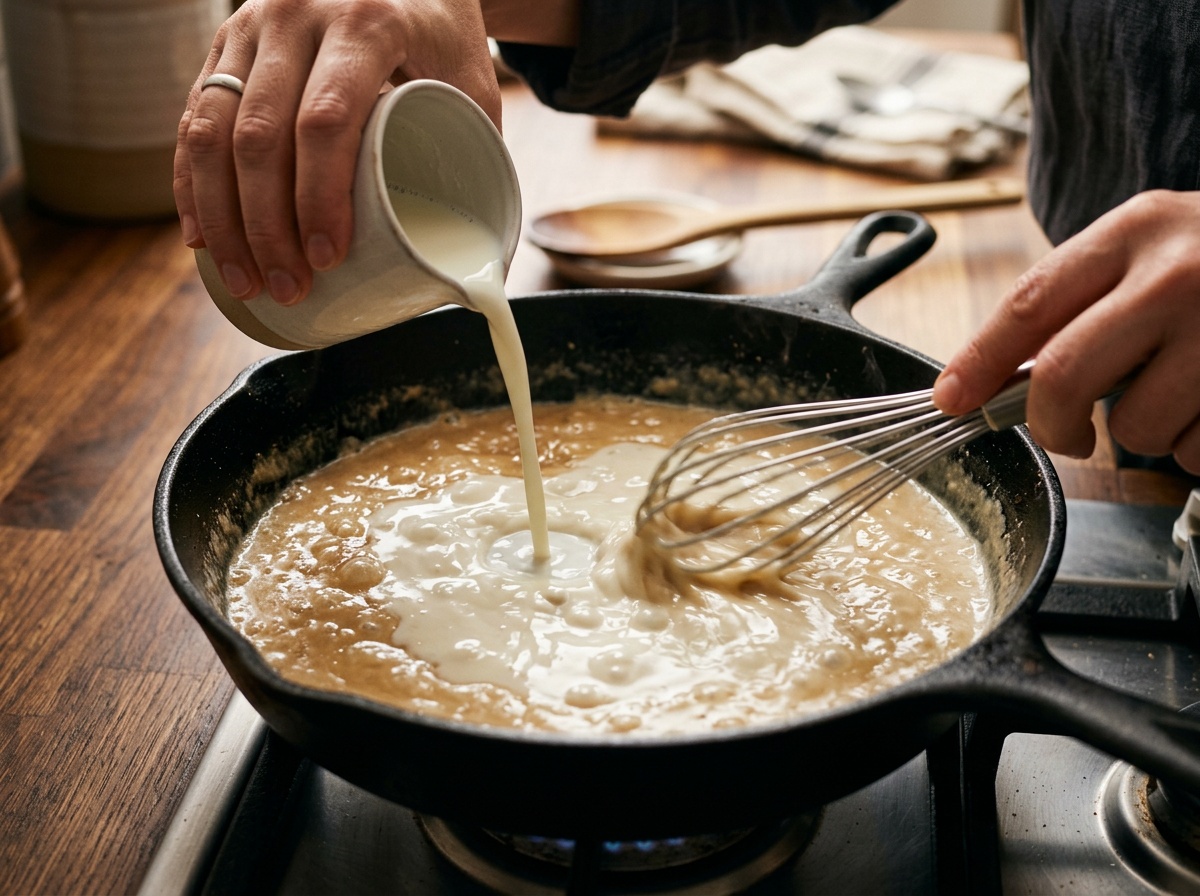
I turn the heat down to medium-low and start adding the milk, about a quarter cup at a time. I whisk vigorously after each addition, ensuring the mixture stays smooth and the flour paste incorporates fully before adding more liquid. This is where my creamed chipped beef recipe comes to life. Once all the milk is in, I let it simmer gently for about 5 minutes, stirring occasionally. The sauce should thicken to the consistency of heavy cream—it should coat the back of your spoon without running off instantly. I finish by stirring in the black pepper; I usually skip added salt because the dried beef is plenty salty on its own.
4Serve Immediately
I prefer to serve this hot, right off the stove. While the gravy is simmering, I toast my bread—I like using a hearty sourdough or a thick white country loaf that can stand up to the weight of the sauce. I place a slice of hot toast on each plate, then ladle a generous amount of the chipped beef mixture over the top. I often serve this with a side of simple fruit or roasted potatoes to balance out the richness of the cream. It is a hearty comfort food breakfast that is best enjoyed while the toast is still crisp and the gravy is piping hot.

Tips & Variations
Watch the Salt: Dried beef is cured and can be extremely salty. I always taste a small piece before I begin cooking; if it is overwhelmingly salty, I soak it in a bowl of cold water for 15 minutes before chopping to pull out the excess sodium.
Temperature Matters: Use room temperature milk if you have the time to let it sit out for 20 minutes. Cold milk straight from the fridge can shock the hot roux, making it harder to whisk out lumps and potentially causing the sauce to break.
The Toast Factor: Don’t settle for flimsy bread. You want a slice with some structural integrity, like sourdough or Texas toast, so it doesn’t turn into a soggy mess the second the gravy hits it. I also like to rub a raw garlic clove on the toast before plating for an extra flavor boost.
Reheating Instructions: This dish tends to thicken significantly in the fridge because the starch absorbs more liquid. To reheat, I put it in a small saucepan over low heat and whisk in a tablespoon of milk at a time until it reaches the right consistency again.
Add Some Veggies: If I’m making this for a full brunch, I often sauté a finely diced onion or a few stalks of celery along with the beef. It adds a nice layer of sweetness that cuts through the rich cream sauce beautifully.
Nutrition Information
Per serving (approximate values)
| Nutrient | Amount |
|---|---|
| Calories | 340 |
| Protein | 18g |
| Carbohydrates | 32g |
| Total Fat | 15g |
| Fiber | 1g |
| Sugar | 6g |
Frequently Asked Questions About Creamed Chipped Beef
What is the secret to a perfect creamed chipped beef recipe?
▼
The secret to a successful creamed chipped beef recipe is managing your roux and your salt levels. You must cook the flour and butter together long enough to eliminate the raw flour taste, and you must add the milk gradually to prevent lumps. Always taste the beef first to determine if it needs soaking to reduce saltiness.
Can I use ground beef instead of dried beef?
▼
While it is possible to use ground beef, the flavor and texture will be quite different because ground beef lacks the cured, salty profile of dried chipped beef. If you do use ground beef, season it heavily with salt and perhaps some Worcestershire sauce to mimic that depth of flavor. It will be more like a traditional sausage gravy.
How long does this keep in the refrigerator?
▼
You can store leftover gravy in an airtight container in the refrigerator for up to 3 days. When you are ready to eat it, reheat it slowly on the stovetop over low heat, adding a splash of milk or water to loosen the sauce back up as it will thicken while sitting.
What is the best way to prevent lumps in my white sauce?
▼
To ensure your creamy white sauce recipe comes out smooth, always whisk constantly. If you add the milk slowly, about a quarter cup at a time, and stir until it becomes a paste, you will avoid the flour clumps that usually form when too much liquid is added to the roux too quickly.
Is there a good gluten-free substitute for the flour?
▼
Yes, you can substitute the all-purpose flour with a 1:1 gluten-free baking flour blend. It works similarly to wheat flour when making the roux. Just be aware that it might take slightly longer to thicken, so cook it gently for an extra minute or two before adding the rest of your milk.