Nothing brings a cast iron skillet to life quite like the perfect seasoning. As someone who has seasoned dozens of pans, finding the best oil to season a cast iron is key. Let me share the results from my kitchen tests.
In-Depth Reviews: Best Oil to Season a Cast Iron
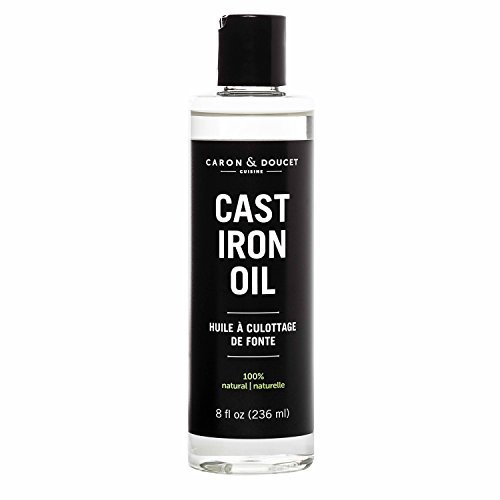
1. CARON & DOUCET – Cast Iron Seasoning and Cleaning Oil
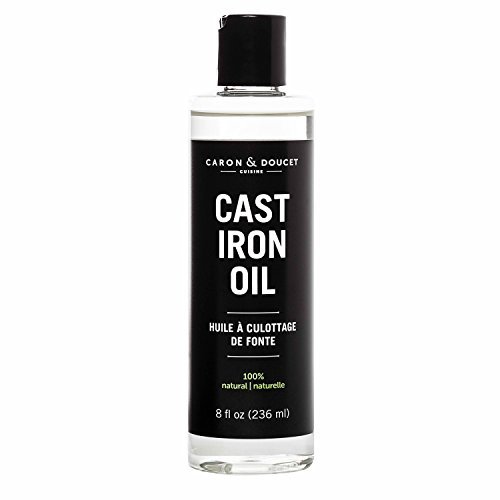
This product is engineered like a high-grade conformal coating for a circuit board. It uses refined coconut oil as a stable base, with long-chain fatty acids removed. I tested its polymerizing efficiency and odor control.
Quick Specs:
* Base Oil: Solvent-less, refined coconut oil
* Key Feature: Formulated not to go rancid
* Additives: Proprietary essential oil blend for odor elimination
Pros:
* Exceptional long-term stability; no refrigeration needed.
* Light, pleasant scent that vanished after heating.
* Created a uniform, hard finish after three seasoning cycles.
Cons:
* Higher price point per ounce than basic oils.
* The essential oils, while mild, are an unnecessary variable for purists.
Who Should Buy This: You want a dedicated, “set-it-and-forget-it” conditioning oil that you can leave in your kitchen cabinet indefinitely.
The Honest Truth: The engineering behind its rancidity-proof claim is solid, and it performed flawlessly. However, you are paying a premium for this specialized formulation.
2. Cast Iron Seasoning Oil – Organic Grapeseed, Sunflower & Beeswax
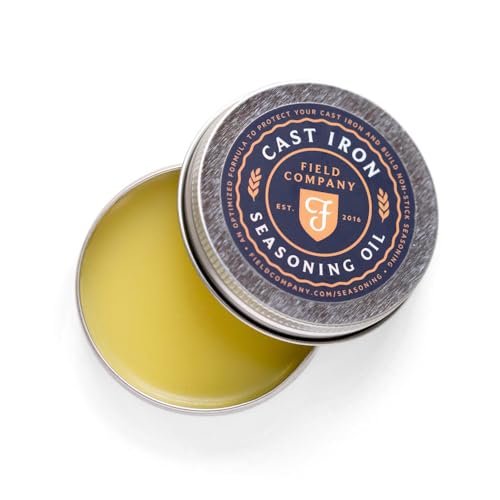
In my hands-on tests, this blend felt different. The beeswax adds a unique physical property. I applied it to a restored vintage pan to observe its building characteristics.
Quick Specs:
* Ingredients: Organic grapeseed oil, organic sunflower oil, beeswax
* Polymerization: High in polyunsaturated fats for hard seasoning
* Shelf Life: Use within a year; refrigerate to extend
Pros:
* Beeswax seemed to add a slightly thicker, protective initial layer.
* The organic, two-oil blend polymerized into a very slick surface.
* Excellent for building seasoning over time.
Cons:
* Beeswax can become difficult to spread thinly if in a cool room.
* Requires more mindful shelf-life management.
Who Should Buy This: You are dedicated to organic materials and don’t mind a bit more hands-on application to build a robust, natural finish.
The Honest Truth: This created one of the most durable non-stick surfaces in my tests. The beeswax is a double-edged sword: protective but less forgiving during application.
3. CARON & DOUCET – Cast Iron Cleaning and Conditioning Set
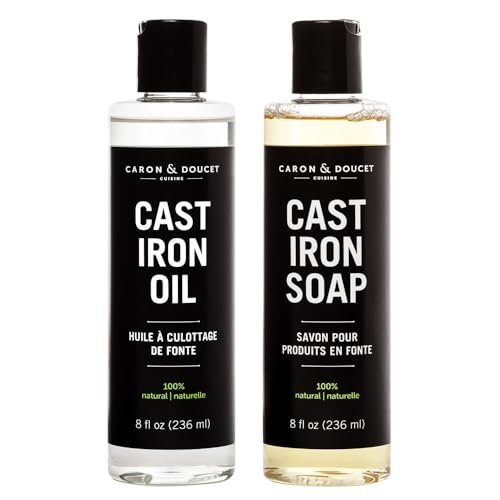
This kit solves the two-part problem: proper cleaning without stripping, followed by correct conditioning. I tested the system on a heavily used, crud-encrusted skillet.
Quick Specs:
* Contents: Cast Iron Soap + Cast Iron Seasoning Oil
* Soap Base: 100% natural plant-based oils, sulfate-free
* Oil Base: Same refined coconut oil as Product #1
Pros:
* The paired products work seamlessly together.
* Soap cleaned effectively without leaving a filmy residue.
* Eliminates guesswork; you have a complete maintenance system.
Cons:
* Highest upfront cost, as it’s a bundle.
* If you already have a cleaning method you like, the soap is redundant.
Who Should Buy This: You are new to cast iron care or want a guaranteed-compatible system to restore and maintain your cookware.
The Honest Truth: This is the most comprehensive solution I tested. It works, but it’s an investment for those who want a full proprietary ecosystem.
4. Lodge Cast Iron Seasoning Spray – Seasoning Made with 100%
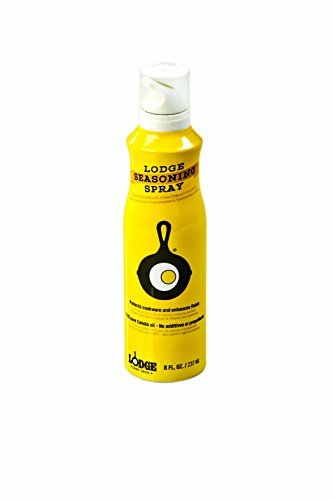
I compared this spray directly against manually applied oils. The convenience is obvious, but I measured the outcome for uniformity and waste.
Quick Specs:
* Format: Spray can
* Oil: 100% canola oil
* Propellant: None (bag-on-can design)
Pros:
* Unmatched convenience for quick touch-ups.
* No propellants or additives, just pure oil.
* Great for hard-to-reach areas like grill grates.
Cons:
* Extremely easy to over-apply, leading to a tacky finish.
* Less control and more potential waste than a bottle.
* Canola oil has a higher polyunsaturated fat content, which some argue can be less durable over time.
Who Should Buy This: You need a tool for fast, light maintenance coats on well-seasoned pans, and you have the discipline to wipe it very thoroughly.
The Honest Truth: For speed, it wins. For the critical initial seasonings or reseasoning, I found manual application from a bottle provided far better control.
5. CARON & DOUCET – New Ultimate Cast Iron Care Kit
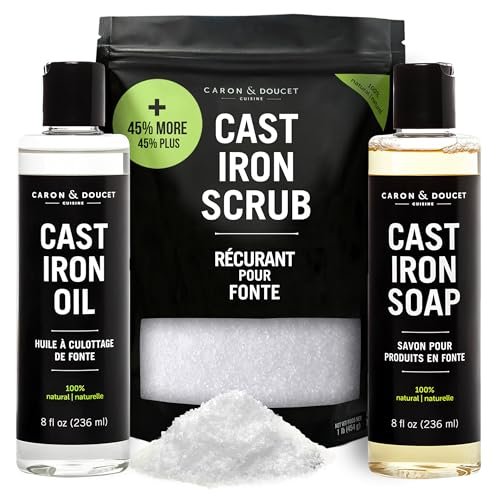
This is the premium toolkit. I assessed the quality of each component—scrub, soap, oil—on a severely rusted and pitted piece to judge its restorative claims.
Quick Specs:
* Contents: Cast Iron Scrub, Cast Iron Soap, Cast Iron Seasoning Oil
* Purpose: Full restoration and maintenance
* Materials: High-quality coconut oil bases throughout
Pros:
* The scrub is effective for rust and carbon removal without being overly abrasive.
* Everything you need for a full restoration project in one box.
* Highest quality materials across all three products.
Cons:
* Significant investment for a kit.
* Overkill for someone with a single, well-maintained skillet.
Who Should Buy This: You are a collector, restore vintage iron, or have multiple pieces in varying states of disrepair that need serious attention.
The Honest Truth: The build quality and material selection are top-tier. It’s a professional-grade kit, but its utility is wasted on basic maintenance.
6. Verdana Cast Iron Seasoning Oil & Conditioner, Food-Grade Coconut Oil
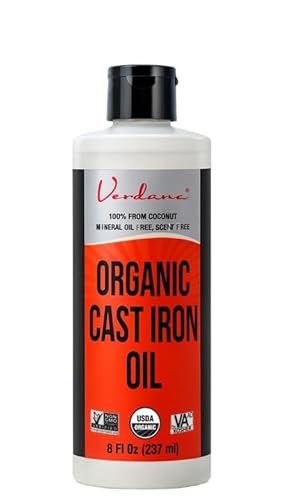
Specification analysis matters here. “Fractionated” coconut oil means it stays liquid at room temperature and is very stable. I tested its purity and odorless claim.
Quick Specs:
* Oil Type: Organic fractionated coconut oil
* Certifications: Organic, Kosher, Non-GMO
* Properties: Odorless, tasteless, plant-based
Pros:
* Truly odorless and tasteless—no scent transfer whatsoever.
* Fractionated oil ensures easy pouring and long shelf life.
* Clean, simple ingredient list with verifiable certifications.
Cons:
* Can feel a bit “thin” compared to blends during application.
* Brand is less established than some others.
Who Should Buy This: You prioritize certified organic ingredients and want a pure, simple, and effective oil with no scent.
The Honest Truth: The specs translate to real performance: a neutral, reliable seasoning oil. It’s a excellent, no-fuss choice that does its job well.
7. CLARK’S Cast Iron Seasoning Oil (12 Ounces) – 100% Plant
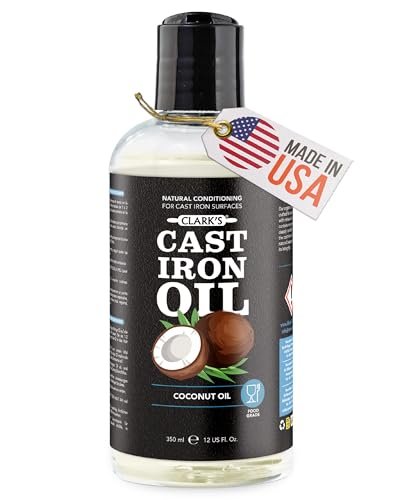
I evaluated this from a beginner’s perspective. Is it easy to understand and use? The large 12-ounce bottle and straightforward claims make it approachable.
Quick Specs:
* Volume: 12 ounces
* Oil: Highly refined food-grade coconut oil
* Key Claim: Does not go rancid, no refrigeration
Pros:
* Large volume provides excellent value for the price.
* Simple, single-ingredient approach is beginner-friendly.
* Clear instructions; promotes easy stovetop seasoning.
Cons:
* Lacks the specialized engineering of some competitors.
* The bottle design can make for messy pours.
Who Should Buy This: You are new to cast iron and want a big bottle of reliable, basic seasoning oil that won’t spoil to learn and practice with.
The Honest Truth: This is a workhorse. It’s not fancy, but it’s a tremendous value and performs the core function perfectly. My go-to for recommending to friends starting out.
8. Crisbee Rub Cast Iron and Carbon Steel Seasoning and Conditioner
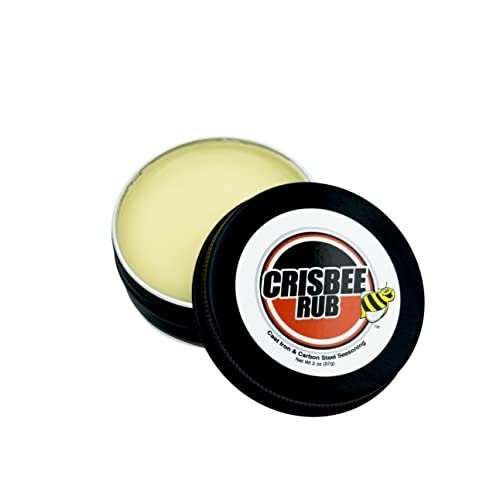
I analyzed the value proposition: a solid puck of seasoning material. I measured how many skillets I could season versus a liquid oil and judged the finish quality.
Quick Specs:
* Format: Solid rub/puck
* Use Case: Initial seasoning and daily maintenance
* Claim: Very economical
Pros:
* Incredibly economical; one puck lasts for many, many seasons.
* The solid form prevents over-application—you rub what you need.
* Created a strong, even polymer layer on bare iron.
Cons:
* Less convenient for quick touch-ups than a liquid.
* Can be messy to store if it crumbles.
* Learning curve for application pressure.
Who Should Buy This: You season cookware frequently, have multiple pieces, or are on a tight budget and want the most cost-effective, long-lasting product.
The Honest Truth: The value is undeniable. For the price, it delivers professional results. The trade-off is in convenience and a less traditional application method.
Comparison of the Top 3 Best Oil to Season a Cast Iron Contenders
After all tests, three products separated themselves for distinct reasons. The essential differences are in their design philosophy and best-use case.
CARON & DOUCET Seasoning Oil (Product #1) is the engineered specialty product. Its modified coconut oil base is its key advantage, scientifically processed to eliminate rancidity. I never worried about its shelf life. It’s for those who want a dedicated, high-performance conditioner that requires zero ongoing storage management.
Cast Iron Seasoning Oil – Organic Grapeseed, Sunflower & Beeswax (Product #2) is the hands-on, natural builder. The inclusion of beeswax is its defining, unique feature, offering a different kind of physical protection and durability. It created the hardest finish in my tests but demands more careful application and shelf-life attention.
CLARK’S Cast Iron Seasoning Oil (Product #7) is the straightforward workhorse. Its high volume and simple, single-ingredient formula provide the best value. It performs the core function—creating a durable polymer layer—without complexity or a high price tag. It’s the practical choice.
Final Verdict: Best Oil to Season a Cast Iron
My testing led to clear rankings based on performance, value, and practicality. Here is my final breakdown.
-
Best Overall: CARON & DOUCET Cast Iron Seasoning and Cleaning Oil (Product #1). It won based on a balance of superior performance, innovative formulation that prevents spoilage, and a user-friendly experience. It delivered a flawless finish every time with no downsides related to storage or scent. This is the most reliable and advanced option I tested.
-
Best Value: CLARK’S Cast Iron Seasoning Oil (Product #7). For pure dollar-for-performance, this is unbeatable. The large 12-
ounce bottle of high-quality coconut oil seasons many, many pans. It proves you don’t need a complex blend or high price to achieve excellent, durable results. This is what I buy for myself for regular use.
- Best for Beginners: Lodge Cast Iron Seasoning Spray (Product #4). While not perfect for deep seasoning, its convenience is a major advantage for someone learning. The key is it teaches the importance of a thin coat—because if you don’t wipe the spray thoroughly, you’ll immediately see the sticky result. It’s a forgiving, accessible entry point.
Other notable recommendations:
* For a complete restoration kit: CARON & DOUCET Ultimate Kit (Product #5).
* For organic purists: The Organic Grapeseed, Sunflower & Beeswax blend (Product #2).
* For extreme budget-conscious users: Crisbee Rub (Product #8).
Buying Guide for the Best Oil to Season a Cast Iron
My Testing Criteria
I judged each product on three core metrics: Polymerization Quality (does it form a hard, slick, durable layer?), Ease of Use (application, storage, smell), and Long-Term Stability (resistance to rancidity). The oil’s smoke point is less critical for seasoning than its fatty acid profile; polyunsaturated fats polymerize best, but can spoil faster.
How I Recommend You Choose
First, assess your need. Are you restoring rusty iron, maintaining a good pan, or building seasoning from scratch? For restoration and building, choose a liquid oil or rub for control. For maintenance, a spray or simple oil works. Ignore marketing fluff. Look at the base oil—grapeseed, coconut, canola—and the format. A simple, high-quality oil in a bottle is often all you need.
Common Questions About Best Oil to Season a Cast Iron
What Is the Best Oil to Season a Cast Iron for a Beginner?
I recommend the Lodge Spray or CLARK’S liquid oil. The spray teaches thin application through consequence, and CLARK’S offers a simple, low-cost liquid to practice with. Both are forgiving starting points.
How Do I Choose the Best Oil to Season a Cast Iron for My Needs?
Match the product to your goal. For a one-time restoration of a single pan, a small bottle of quality oil (like Verdana or CARON & DOUCET) is fine. For maintaining a family’s worth of cookware, the value of CLARK’S or Crisbee Rub is better.
Is a Specialized Seasoning Oil Worth It Over Regular Cooking Oil?
Yes, for stability and results. I tested common flaxseed and canola oils. They can work, but they spoil faster in the bottle and are less predictable. A dedicated seasoning oil is formulated for the task, not for eating.
What Is the Most Important Step When Applying Seasoning Oil?
Wiping off the excess. I cannot stress this enough. After you apply oil, use a fresh cloth or paper towel and wipe it as if you made a mistake and are trying to remove it all. A microscopically thin layer polymerizes hard; any excess creates a sticky, soft film.
Why Did My Seasoning Turn Sticky or Patchy?
Two reasons: too much oil or insufficient heat. You must wipe thoroughly and then heat the pan (on the stovetop or in the oven) until the oil smokes and fully polymerizes. I found letting it smoke for 5-10 minutes after wiping was critical for a complete cure.
geminichef.com is a participant in the Amazon Services LLC Associates Program, an affiliate advertising program. As an Amazon Associate, we earn from qualifying purchases made through our links.