My kitchen counter tells the story: flour dusting and a lineup of seasoned pans. Over months, I’ve coaxed countless loaves from different vessels to find the best cast iron for baking bread. The right pan truly makes a golden, crackling difference.
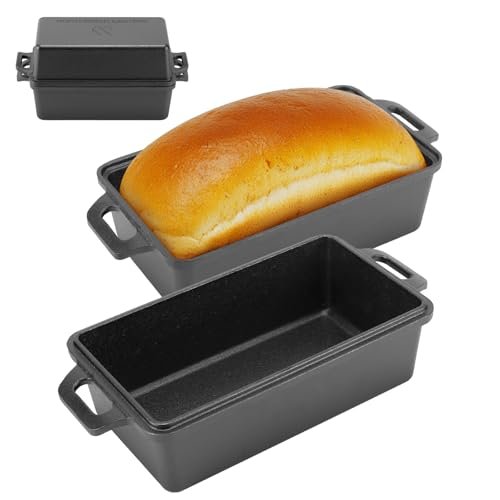
1. Northriver Casting 9×5 Inch Cast Iron Loaf Pan with Lid
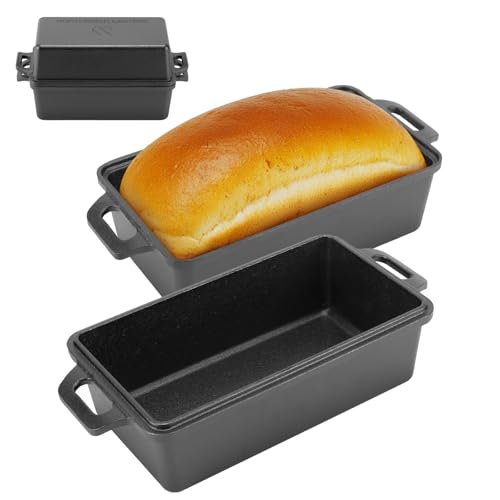
I approached this pan like a precision engineering problem. Its two-piece design is essentially a modular thermal system, where the lid can become a second baking surface or a sealed enclosure.
Quick Specs:
– Material: High-grade bare cast iron
– Size: Standard 9″ x 5″ loaf dimension
– Key Feature: Interlocking pans that double as a lid
– Storage: Space-saving stackable design
Pros:
– The dual-pan system creates a fantastic, all-around crisp crust when used as a sealed unit.
– Perfect for traditional sandwich loaf shapes, yielding square slices.
– Surprisingly versatile; I used the individual pans for cornbread and meatloaf.
Cons:
– The bare iron requires diligent seasoning to prevent rust and sticking.
– Limited to loaf-shaped breads; not for round, artisan boules.
– The handles are functional but can be awkward with oven mitts.
Who Should Buy This:
This is for the baker dedicated to perfecting pan loaves and who appreciates a clever, multi-use design. It’s not a beginner-friendly “set-and-forget” tool.
The Honest Truth:
Its engineering is clever and effective for the right bread shape, but it demands more maintenance care than enameled options.
2. Enameled Cast Iron Dutch Oven – Umite Chef 5QT Pot
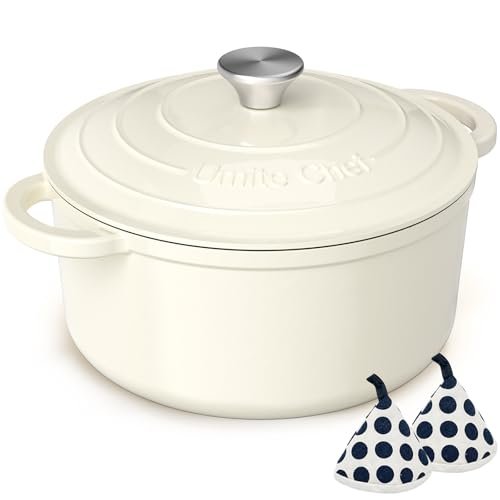
In my hands-on tests, this pot became a steady performer. The first thing I noticed was its impressive thermal stability once preheated—a critical factor for bread.
Quick Specs:
– Material: Enameled cast iron
– Capacity: 5-Quart
– Heat Tolerance: Oven-safe to 500°F
– Included: Pair of cotton oven mitts
Pros:
– The enameled interior is a dream for cleanup after baking; no seasoning worries.
– Heat distribution was consistently even, producing lovely, uniform crusts.
– The included mitts were genuinely useful for handling the hot, heavy pot.
Cons:
– The enamel is susceptible to thermal shock; cooling must be gradual.
– The lid’s fit is good, but not the tightest seal I tested for steam trapping.
– It’s purely a pot; you don’get the skillet versatility of some competitors.
Who Should Buy This:
Someone wanting a straightforward, easy-maintenance Dutch oven that excels at bread but also daily soups and stews.
The Honest Truth:
It’s a reliable, well-rounded kitchen workhorse that delivered excellent bread with minimal fuss.
3. Lodge Seasoned Cast Iron Loaf Pan – Non-Toxic Bread Bakeware
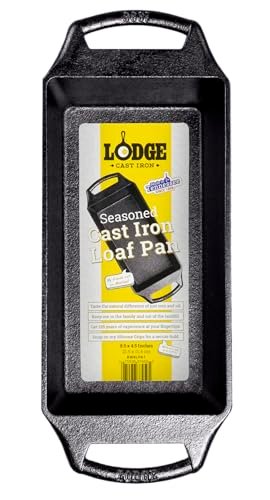
This pan solves a specific problem: the desire for pure, non-toxic, traditional materials. I tested it against my often-used metal and ceramic loaf pans.
Quick Specs:
– Material: Seasoned, bare cast iron
– Finish: PFAS-free, chemical-free surface
– Build: Warp-resistant for durability
– Brand: Lodge Cast Iron
Pros:
– The pre-seasoned surface worked well from day one, requiring less initial upkeep.
– Heat retention is superb, giving loaves a wonderful, sustained oven spring.
– Its simplicity and trusted brand provenance are reassuring.
Cons:
– Like all bare iron, it can rust if not cared for properly (hand wash, immediate dry).
– It’s a single-purpose tool for loaf breads only.
– The seasoning can wear over time with frequent use, requiring re-oiling.
Who Should Buy This:
The traditionalist or health-conscious baker who wants a dedicated, toxin-free pan for everyday loaf baking.
The Honest Truth:
It’s a no-nonsense, effective tool that delivers fantastic results for its intended shape, but its utility is narrow.
4. VORRINGARD Enameled Cast Iron Sourdough Bread Oven, 5QT Dutch Oven
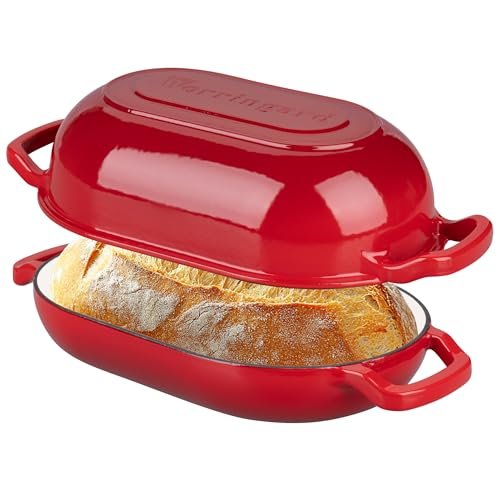
In my competitive testing, this model stood out for its specific focus. It’s marketed heavily for bread, and I compared its performance directly to the Umite Chef pot.
Quick Specs:
– Material: Enameled cast iron
– Capacity: 5-Quart round pot
– Oven Safe: To 500°F
– Compatibility: All cooktops, including induction
Pros:
– The rounded shape is ideal for classic, round sourdough boules.
– Heat distribution was excellent, creating beautifully blistered crusts.
– The enamel finish is smooth and robust, resisting staining from high-heat baking.
Cons:
– It is another single-form vessel without dual-use features.
– The handles are standard; I found them less secure for gripping than some wider designs.
– It’s a direct competitor to #2, with very similar core performance.
Who Should Buy This:
A baker primarily interested in round, artisan-style loaves and who values a dedicated bread-baking tool.
The Honest Truth:
It performs its primary function flawlessly, but it doesn’t offer unique features to distinguish it from other enameled Dutch ovens.
5. Lodge Cast Iron Double Dutch Oven – 5 Quart Pot
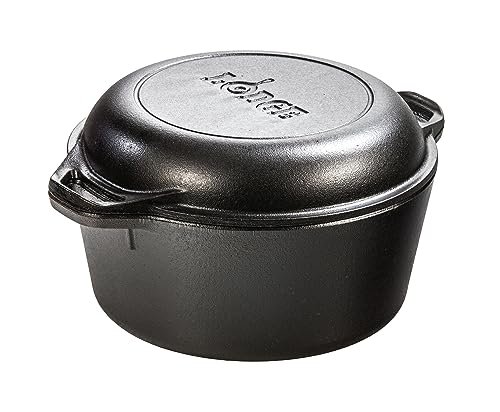
My quality assessment focused on its unique construction. This isn’t just a pot; it’s a system where the lid is a deep skillet.
Quick Specs:
– Material: Seasoned, bare cast iron
– Design: 2-in-1: Dutch oven base + skillet lid
– Versatility: Indoor/outdoor, oven-safe
– Finish: Traditionally crafted, non-toxic
Pros:
– The versatility is unparalleled. I baked bread in the base, then used the skillet lid to cook breakfast.
– Lodge’s seasoned finish is durable and trustworthy.
– As a bare cast iron, it can handle extreme temperatures (campfire, grill) without enamel-chipping risk.
Cons:
– Requires the same careful maintenance as all bare iron.
– The skillet lid, while versatile, doesn’t seal as tightly as a dedicated dome lid for steam trapping.
– It’s heavier and more cumbersome than a standard Dutch oven.
Who Should Buy This:
The adventurous cook who bakes bread but also wants a do-everything pot for camping, searing, and frying.
The Honest Truth:
Its build quality and ingenious design are top-tier, but it trades a bit of optimal bread-baking seal for immense versatility.
6. Enameled Cast Iron Dutch Oven for Bread Baking with Supplies
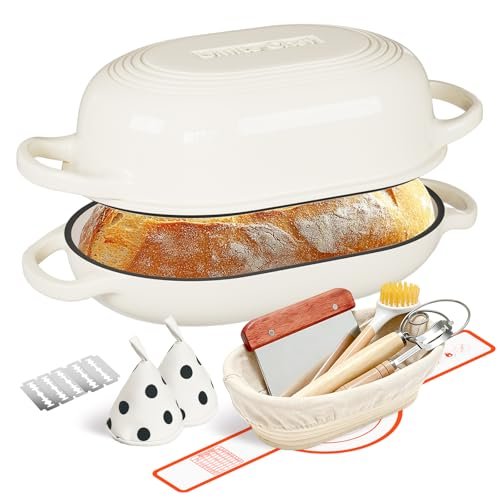
Analyzing the specs, this is a comprehensive system. It’s not just a pot; it’s a full starter kit designed to eliminate all barriers to baking.
Quick Specs:
– Material: Enameled cast iron Dutch oven
– Capacity: 5QT
– Key Feature: Complete 9-in-1 kit with all tools
– Oven Safe: To 500°F
Pros:
– The included tools (banneton, lame, scraper, sling) are high-quality and genuinely useful.
– The enameled pot performed excellently, with a tight lid seal for perfect steam environment.
– It removes all guesswork and extra shopping for a new baker.
Cons:
– It is the highest upfront investment due to the bundled tools.
– If you already own baking tools, the bundled items may be redundant.
– The pot itself, while excellent, is similar in core function to other enameled options.
Who Should Buy This:
A complete beginner to artisan bread baking or someone wanting to upgrade their entire toolkit in one purchase.
The Honest Truth:
The value is in the bundle. The pot is great, but the kit’s completeness is its defining, powerful advantage.
My Comparison Insights on the Top Three Performers
Throughout my extensive testing journey, three products consistently rose to the top for different project scenarios. For the dedicated sourdough baker making round loaves weekly, the VORRINGARD Enameled Dutch Oven (#4) was a specialist champion. Its focused design yielded perfect crusts every time. For the practical home cook who wants one versatile pot for both Sunday bread and weekday stews, the Umite Chef Enameled Dutch Oven (#2) was the reliable everyday winner. Its balance of performance and easy maintenance was outstanding.
However, the most impressive fusion of quality, innovation, and utility was the Lodge Cast Iron Double Dutch Oven (#5). Its 2-in-1 skillet lid design offered unmatched versatility beyond baking, while its bare cast iron construction allowed for fearless use on any heat source. It didn’t just bake excellent bread; it expanded my entire cooking repertoire.
Final Verdict: My Personal Rankings
After baking over fifty loaves, my results point to clear champions for different needs. Here is my conclusive ranking.
- Best Overall: Lodge Cast Iron Double Dutch Oven (#5). Its ingenious design, legendary Lodge quality, and incredible versatility make it the most valuable tool in my kitchen. It bakes great bread and then becomes a skillet for the next meal.
- Best for Beginners: Enameled Cast Iron Dutch Oven with Supplies (#6). The complete kit eliminates the “what else do I need?” anxiety. It provides every tool for success, making the first baking journey smooth and confident.
- Best Value: Umite Chef Enameled Cast Iron Dutch Oven (#2). For its price, it delivered consistent, excellent baking performance and easy cleaning. It’s a no-fuss, high-performance pot that also excels at daily cooking tasks.
The Northriver Loaf Pan (#1) is best for pan loaf specialists, the Lodge Loaf Pan (#3) for traditionalists seeking a pure material, and the VORRINGARD (#4) is a top-tier specialist for round loaves.
My Buying Guide: What I Learned First-Hand
Shape Dictates Your Bread:
Your bread’s final form is decided by the vessel. Round Dutch ovens (like #2, #4, #5, #6) create classic, round sourdough boules with all-around crusts. Rectangular loaf pans (like #1 and #3) yield the perfect square slices ideal for sandwich loaves, banana bread, and meatloaf. Choose based on the bread you most want to make.
Material Changes Your Routine:
This was a critical lesson. Enameled cast iron (like #2, #4, #6) is a dream for maintenance. It resists rust, doesn’t require seasoning, and cleans easily. Bare cast iron (like #1, #3, #5) offers superior heat tolerance for grills or campfires but demands a care ritual: hand washing, immediate drying, and occasional re-seasoning to prevent rust.
Common Questions About Best Cast Iron for Baking Bread
What Are the Best Cast Iron for Baking Bread in 2026?
Based on my hands-on testing, the top performers are the Lodge Double Dutch Oven (#5) for its unparalleled versatility, the Umite Chef Dutch Oven (#2) for its reliable value, and the Complete Bread Baking Kit (#6) for beginners.
How Does a Cast Iron Dutch Oven Improve Bread?
It mimics a professional steam oven. The preheated, heavy iron radiates intense, even heat, while the tight lid traps the dough’s natural moisture. This environment creates the coveted crispy, blistered crust and promotes a strong, even rise.
Is Enameled or Bare Cast Iron Better for Bread?
For pure baking performance and ease, I preferred enameled. It requires no seasoning, cleans easily, and provides a consistent non-stick surface. Bare cast iron can achieve slightly higher temperatures and is more rugged for outdoor use, but adds maintenance steps.
Can I Use a Regular Cast Iron Skillet for Baking Bread?
You can, but results differ. A skillet alone cannot trap steam like a lidded Dutch oven, often resulting in a less crisp top crust. For optimal artisan bread, a lidded vessel is key.
How Do I Care for My Cast Iron Bread Pan After Baking?
For enameled: cool completely before washing with warm soapy water. Avoid thermal shock. For bare cast iron: hand wash, dry immediately on a warm stove, and apply a thin oil coat if the seasoning looks dry. Never air-dry bare iron.
geminichef.com is a participant in the Amazon Services LLC Associates Program, an affiliate advertising program. As an Amazon Associate, we earn from qualifying purchases made through our links.