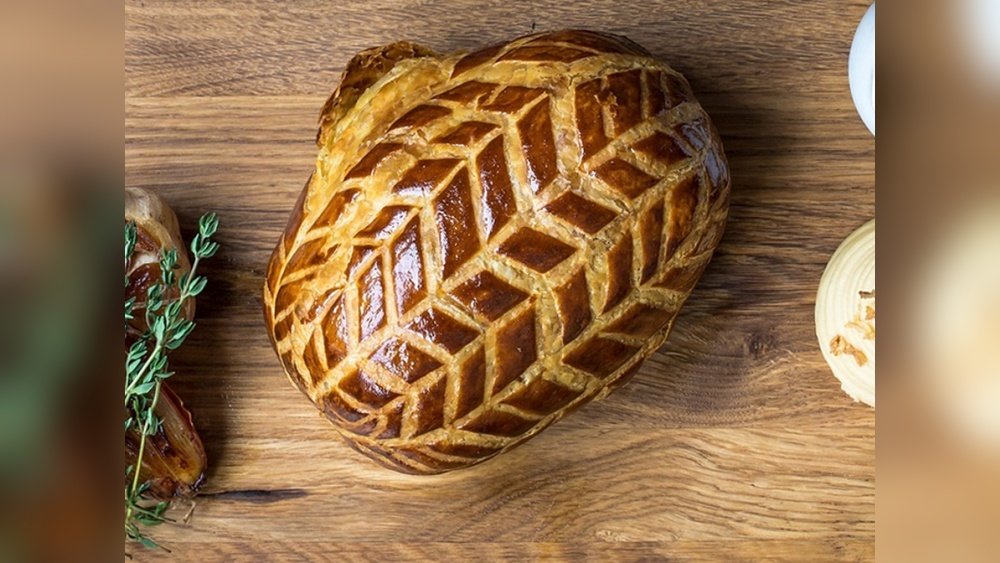
If you’ve ever dreamed of mastering a dish that’s as impressive as it is delicious, Chef Ramsay’s Beef Wellington recipe is your golden ticket. This iconic recipe combines tender, juicy beef with a rich mushroom duxelles, delicate Parma ham, and a perfectly golden puff pastry crust.
Imagine serving a meal that looks like it belongs in a five-star restaurant but is actually within your reach to make at home. Whether you’re cooking for a special occasion or simply want to elevate your dinner game, this step-by-step guide will walk you through Chef Ramsay’s secrets to creating the perfect Beef Wellington.
Ready to impress your guests and satisfy your taste buds? Let’s dive in.
Ingredients
The ingredients for Chef Ramsay’s Wellington Beef Recipe play a crucial role. Each component brings unique flavors and textures. Using the right ingredients ensures an authentic taste and perfect presentation.
Careful selection and preparation of these ingredients are key to success. Here is a breakdown of what you need.
Beef Selection
Choose a center-cut beef tenderloin. It should be fresh and firm. The beef must be high quality for tenderness. Trim off excess fat and silver skin. This cut is the main focus of the dish.
Mushroom Duxelles
Use finely chopped mushrooms like button or cremini. Sauté them slowly to remove moisture. Add shallots and garlic for flavor. The duxelles adds a rich, earthy taste. It also keeps the beef moist inside the pastry.
Pâté And Parma Ham
Pâté adds smooth richness and depth. Choose a good quality chicken or duck pâté. Parma ham wraps around the beef for saltiness. It also holds the mushroom layer in place. These layers create a complex flavor profile.
Puff Pastry
Use a high-quality puff pastry sheet. It should be cold and ready to roll. The pastry creates a golden, flaky crust. It locks in all the juices during cooking. This gives the dish its signature look and texture.
Seasonings And Extras
Simple seasonings work best. Salt and freshly ground black pepper are essential. Dijon mustard adds a subtle tang and depth. Fresh thyme or rosemary can enhance aroma. Egg wash helps to glaze the pastry beautifully.
Credit: www.gordonramsayrestaurants.com
Preparing The Beef
Preparing the beef is a crucial step in Chef Ramsay’s Wellington Beef recipe. It sets the stage for a tender and flavorful dish. Each part of this process affects the final taste and texture. Careful attention to detail here guarantees success.
Trimming And Tying
Start by trimming the beef fillet. Remove excess fat and silver skin for even cooking. Use a sharp knife to make clean cuts. After trimming, tie the beef with kitchen twine. This helps keep its shape during cooking. Tie it firmly but not too tight.
Searing Techniques
Heat a pan until very hot. Add oil with a high smoke point, like vegetable oil. Sear the beef on all sides quickly. This seals in the juices and creates a rich crust. Avoid moving the meat too much. Let each side brown evenly for about two minutes.
Applying Mustard
After searing, let the beef cool slightly. Spread a thin layer of Dijon mustard over the surface. This adds a tangy flavor and helps the pastry stick later. Use a brush or spoon to coat evenly. The mustard layer enhances the overall taste and texture.
Making The Duxelles
Assembling the Wellington is a crucial step in Chef Ramsay’s Beef Wellington recipe. Each layer adds unique flavor and texture. Proper assembly ensures the beef stays juicy and the pastry bakes perfectly. Follow these steps carefully for the best result.
Layering Parma Ham
Start by laying out thin slices of Parma ham on a sheet of cling film. Overlap the slices slightly to form a solid layer. This ham layer adds saltiness and holds moisture inside. Place the cooked beef fillet on top of the ham. Use the cling film to help wrap the ham tightly around the beef. Chill this wrap briefly to keep its shape.
Spreading Duxelles
Spread the mushroom duxelles evenly over the Parma ham. The duxelles is a finely chopped mushroom mix cooked until dry. It adds earthiness and prevents the pastry from becoming soggy. Cover the entire ham surface with a thin, even layer. Make sure no gaps remain, for full flavor and moisture control.
Wrapping With Puff Pastry
Roll out the puff pastry to a size that covers the beef completely. Remove the cling film from the ham-wrapped beef and place it on the pastry. Carefully fold the pastry over the beef, sealing all edges well. Use beaten egg to brush the pastry edges to help them stick. Chill the wrapped Wellington before baking to keep its shape.
Credit: www.masterclass.com
Assembling The Wellington
Serving Beef Wellington is as important as cooking it perfectly. The right presentation and accompaniments make the dish stand out. This section offers ideas to serve Chef Ramsay’s Wellington Beef with style and taste.
Plating Ideas
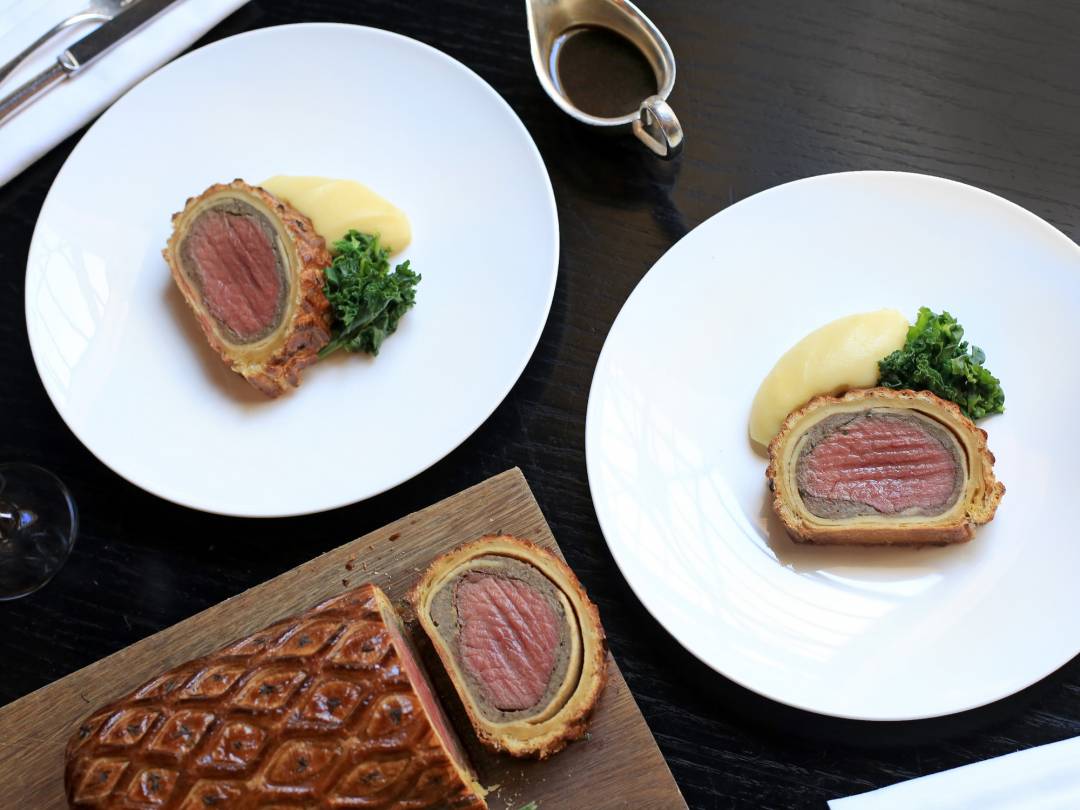
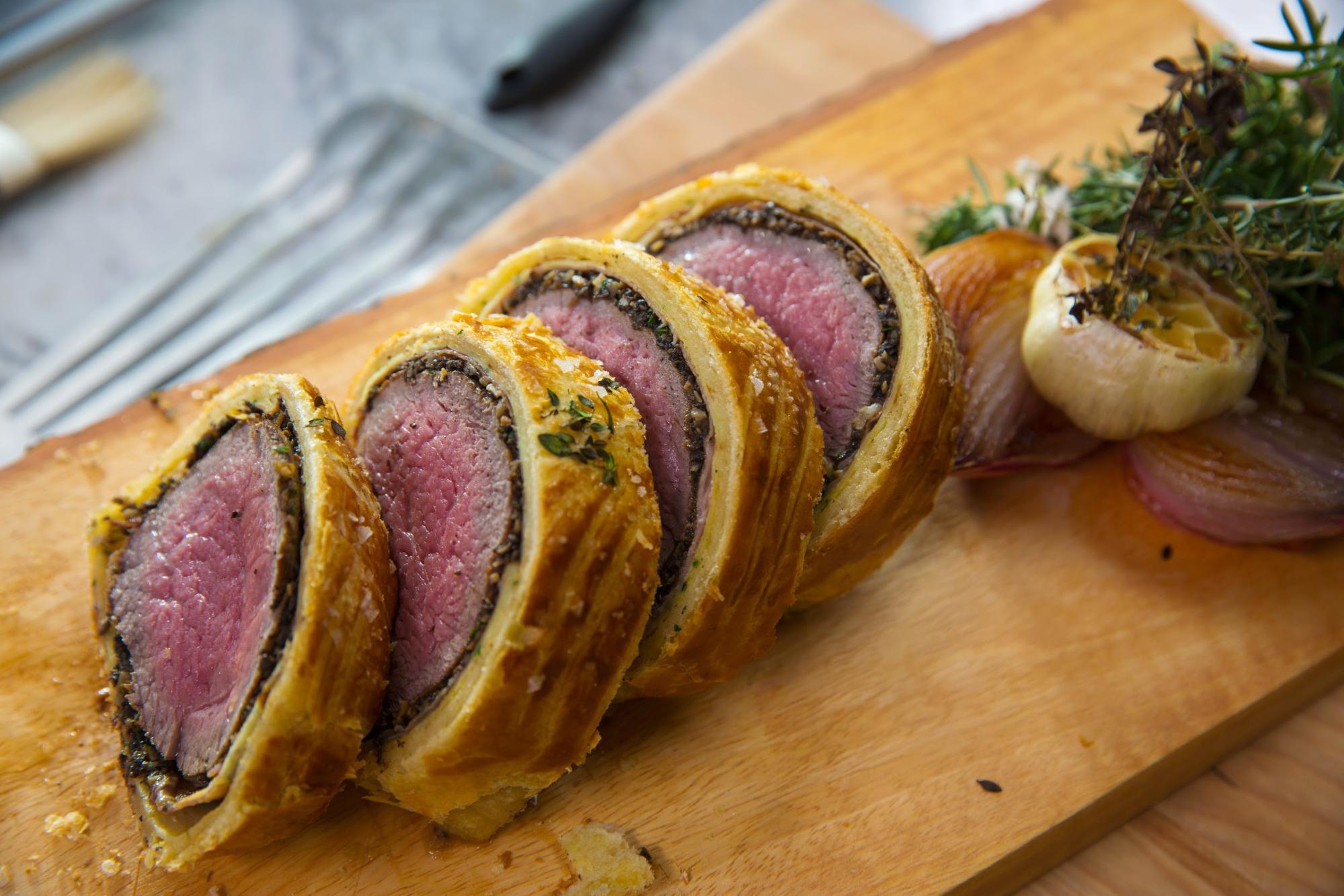
Use a large white plate to highlight the rich colors. Slice the Wellington thick enough to show the layers inside. Place the slice at the center and let the sauce flow around it. Add a small sprig of fresh thyme or rosemary for a touch of green. Keep the plate clean and simple for an elegant look.
Side Dish Pairings
Classic mashed potatoes pair well with the rich beef. Roasted baby carrots or asparagus add color and crunch. A light mixed green salad can balance the heaviness. Creamed spinach is a traditional choice and complements the mushroom duxelles. Choose sides that add texture and freshness to the meal.
Sauce Options
Red wine jus is a perfect match for Beef Wellington. A rich mushroom sauce enhances the earthy flavors. Peppercorn sauce adds a spicy kick without overpowering the beef. For a smooth finish, try a simple beef gravy. Serve sauces warm in small bowls or drizzle lightly on the plate.
Baking Tips
Making Chef Ramsay’s Wellington Beef recipe is rewarding but tricky. Many cooks face common problems that affect the final dish. Knowing these mistakes helps you avoid them and get great results every time.
Overcooking The Beef
The beef should be tender and juicy. Overcooking makes it dry and tough. Use a meat thermometer to check the temperature. Aim for medium-rare, about 125°F (52°C). Rest the beef before wrapping it to keep juices inside.
Soggy Pastry Issues
Pastry must be crisp and golden. Moisture from the beef or mushrooms can make it soggy. Dry the mushroom mixture well and cool it before use. Wrap the beef tightly in cold pastry and chill before baking. This keeps the pastry from absorbing too much moisture.
Uneven Layers
Even layers are key for good texture and taste. Spread mushroom duxelles and ham evenly. Uneven layers cause uneven cooking and flavor balance. Roll the pastry to a uniform thickness. Wrap the beef smoothly without gaps or folds.
Serving Suggestions
The classic Chef Ramsay Wellington Beef recipe offers a rich and elegant dining experience. Variations of this dish allow cooks to explore new tastes and suit different dietary needs. These changes keep the core idea alive while adding unique twists.
Vegetarian Options
Vegetarian versions replace the beef with hearty vegetables or meat substitutes. Portobello mushrooms or eggplant can stand in for the beef center. Layers of spinach, nuts, and cheese add flavor and texture. Puff pastry still wraps the filling, maintaining the traditional look and feel.
Alternative Meats
Other meats can replace beef for different flavors. Lamb or pork tenderloin works well for a tender, juicy center. Venison or duck offers a gamey, rich taste. Each meat needs adjusted cooking times to ensure perfect doneness.
Flavor Enhancements
Spices, herbs, and sauces add depth to the Wellington. A spread of mustard or horseradish can give a sharp kick. Fresh thyme, rosemary, or tarragon brighten the dish. Adding truffle oil or finely chopped nuts in the duxelles enriches the flavor profile.
Common Mistakes
Chef Ramsay shares key tips for making Beef Wellington perfect. These tips focus on technique, ingredient quality, and presentation. Each tip helps create a delicious and impressive dish at home.
Follow these simple steps to cook like a pro. They ensure your Beef Wellington turns out tender, flavorful, and beautiful.
Technique Insights
Heat the beef quickly to seal in juices and flavor. Use high heat to brown all sides evenly. Cool the beef before wrapping to avoid soggy pastry. Wrap tightly to keep the shape firm during cooking. Brush the pastry with egg wash for a golden finish. Rest the cooked Wellington before slicing to keep it juicy.
Ingredient Quality
Choose fresh and high-grade beef tenderloin for best results. Use quality mushrooms for the duxelles to add rich flavor. Select thin, dry Parma ham to avoid extra moisture. Use fresh herbs to enhance aroma and taste. Pick good puff pastry for a crisp, flaky crust. Avoid frozen ingredients that release water when cooked.
Presentation Tricks
Score the pastry lightly for a stylish pattern. Use a sharp knife to slice clean pieces. Serve on warm plates to keep the dish hot. Garnish with fresh herbs or a simple sauce. Cut slices thick enough to show the layers inside. Arrange the plate neatly for a restaurant-style look.

Credit: www.youtube.com
Frequently Asked Questions
What Ingredients Are Needed For Ramsay’s Beef Wellington?
Ramsay’s Beef Wellington requires beef tenderloin, mushrooms, prosciutto, puff pastry, Dijon mustard, egg yolk, and seasonings. These ingredients create the classic layered flavors and textures.
How Long Does It Take To Cook Beef Wellington?
Cooking time is approximately 35 to 40 minutes at 400°F (200°C). Resting the Wellington for 10 minutes after cooking ensures juicy, tender beef.
What Makes Ramsay’s Beef Wellington Unique?
Ramsay’s recipe combines seared beef with duxelles, Parma ham, and perfectly golden puff pastry. This technique seals in flavor and moisture while adding rich textures.
Can I Prepare Beef Wellington In Advance?
Yes, you can assemble the Wellington a day before. Keep it refrigerated and bake it fresh before serving for best results.
Conclusion
Chef Ramsay’s Wellington Beef recipe brings rich flavors to your table. It combines tender beef, mushrooms, and flaky pastry perfectly. Each step is simple and fun to follow. This dish suits special dinners or festive occasions. Try it to impress family and friends with your cooking skills.
Enjoy the delicious taste and the joy of homemade meals. Keep practicing to make it just right every time. Cooking this recipe builds confidence and makes great memories.
geminichef.com is a participant in the Amazon Services LLC Associates Program, an affiliate advertising program. As an Amazon Associate, we earn from qualifying purchases made through our links.