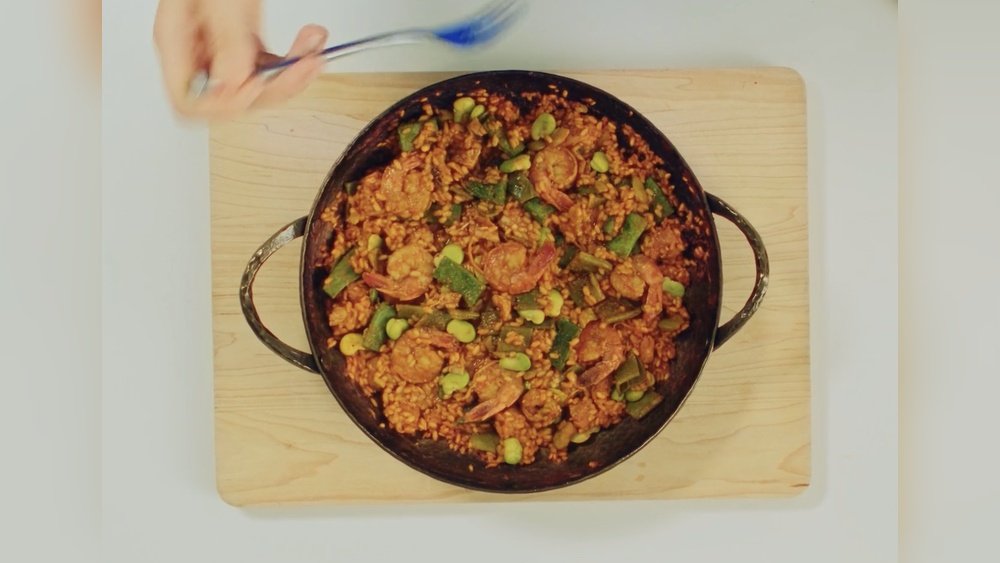
If you’ve ever wanted to master the art of making authentic paella, Chef José Andrés’ paella recipe is your perfect guide. This dish isn’t just about combining ingredients—it’s about capturing the rich flavors and vibrant spirit of Spanish cuisine right in your own kitchen.
Whether you’re cooking for family, friends, or just treating yourself, this recipe will show you how to create a mouthwatering paella that’s both impressive and delicious. Ready to discover the secrets behind Chef José Andrés’ famous paella? Keep reading, and you’ll soon be serving up a dish that’s bursting with flavor and tradition.
Chef José Andrés’ Paella Style
Chef José Andrés’ paella style reflects deep respect for tradition and regional flavors. His approach focuses on authentic techniques combined with fresh, quality ingredients. Each paella he prepares tells a story of Spanish heritage and culinary passion.
José Andrés emphasizes simplicity and balance in his paella. The flavors are rich but never overwhelming. His style highlights the natural taste of each ingredient, creating a harmonious dish.
Paella Valenciana Roots
José Andrés honors the classic Paella Valenciana, the dish’s birthplace. This style includes chicken, rabbit, and green beans. The rice is cooked with saffron and rosemary for a fragrant touch.
He avoids mixing too many proteins, keeping the recipe true to its origins. The traditional method uses a wide, shallow pan to ensure even cooking. This technique creates the beloved socarrat, the crispy rice crust.
Signature Ingredients
José Andrés chooses ingredients that showcase Spain’s bounty. Short-grain bomba rice absorbs flavors perfectly. Fresh saffron gives the dish its golden color and earthy aroma.
He includes quality olive oil, fresh tomatoes, and sweet peppers in his base. Chicken and rabbit meat remain the stars, with occasionally snails or green beans. No chorizo or peas, respecting authentic flavor profiles.
Sofrito Preparation Tips
The sofrito is the flavor foundation in José Andrés’ paella. It consists of finely chopped onions, garlic, and ripe tomatoes. Cooking it slowly releases natural sweetness and depth.
He stresses patience, allowing the sofrito to reduce until thick and rich. Stir gently to avoid burning. This step ensures the rice will cook in a deeply flavored base.
Using fresh ingredients and avoiding shortcuts creates the best sofrito. It transforms the dish from good to exceptional.

Credit: www.usatoday.com
Essential Paella Ingredients
Paella is a classic Spanish dish that depends on a few key ingredients. Each ingredient brings unique flavors and textures. These essentials make the dish special and authentic. Chef Jose Andres’s paella recipe highlights these core components clearly.
The right ingredients ensure the perfect balance. They create the rich and vibrant taste paella is known for. Let’s explore the must-have elements for this beloved recipe.
Rice And Saffron Selection
The rice must absorb all flavors without becoming mushy. Short-grain varieties like Bomba or Calasparra work best. They hold liquid well and stay separate after cooking.
Saffron adds a golden color and a subtle earthy aroma. It is the soul of paella’s flavor. Use high-quality saffron threads for the most authentic taste.
Seafood And Meat Choices
Fresh seafood is essential for a true paella. Shrimp, mussels, and clams add natural sweetness and briny notes. Chicken and rabbit are traditional meat options in some versions.
Choose fresh, high-quality ingredients. Each protein should complement the others without overpowering the dish. Balance is key to a delicious paella.
Stock And Seasonings
A rich stock forms the base of the dish. Seafood or chicken stock enhances the depth of flavor. It infuses the rice with savory goodness throughout cooking.
Classic seasonings include smoked paprika, garlic, and fresh herbs. These add layers of taste without overwhelming the core ingredients. Simple, fresh seasonings bring the dish to life.
Cooking Techniques
Cooking paella with Chef José Andrés’ recipe involves precise techniques. These steps bring out deep, rich flavors. They help create the perfect texture and aroma. Understanding heat, flavor layering, and socarrat makes all the difference.
Each step builds on the previous one. Careful attention ensures an authentic and delicious paella every time.
Heat Management
Heat control is key for cooking paella properly. Use medium-high heat to start, then lower it. Even heat across the pan cooks rice uniformly. Avoid stirring once the rice is added. This keeps the grains intact and fluffy. Adjust heat to prevent burning or undercooking ingredients.
Layering Flavors
Layering flavors starts with sautéing ingredients like garlic and onions. Add spices such as saffron and paprika early to release aromas. Cook meats and seafood separately to seal in juices. Combine ingredients gradually to build complexity. This method creates a balanced and tasty dish.
Achieving Socarrat
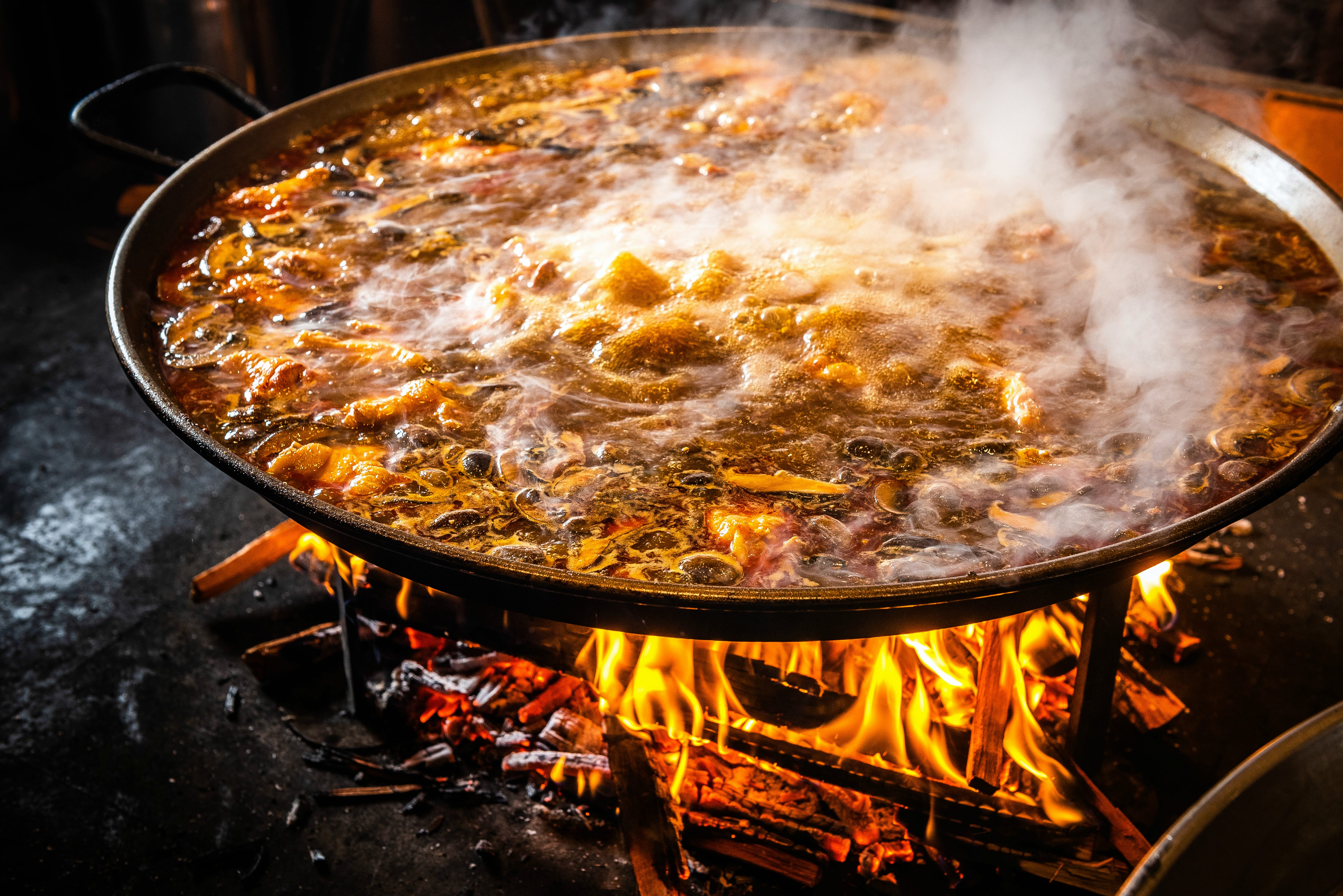
Socarrat is the crispy rice crust at the pan’s bottom. It adds texture and flavor to paella. Cook rice over medium heat without stirring. Listen for a faint crackling sound as it forms. Remove from heat once the crust is golden brown. Avoid scraping the pan to keep socarrat intact.
Credit: joseandres.substack.com
Common Paella Mistakes
Making paella is an art that requires care and attention. Many cooks face common pitfalls that affect taste and texture. Avoiding these mistakes helps you enjoy Chef Jose Andres’ paella recipe fully. Learn the key errors and how to prevent them for a perfect dish.
Avoiding Wrong Ingredients
Using the right ingredients is crucial. Traditional paella does not include chorizo, peas, or onions. These can overpower the delicate flavors. Stick to saffron, quality rice, fresh seafood, or chicken. Fresh ingredients give the authentic taste Chef Jose Andres is known for.
Heat Distribution Issues
Paella needs even heat to cook properly. Uneven heat causes some rice to burn while other parts stay raw. Use a wide, flat pan on a burner that spreads heat well. Avoid cooking paella on a small or uneven flame. This keeps the rice cooking consistently and forms the prized crust.
Overmixing The Rice
Stirring the rice too much breaks the grains and makes the dish mushy. Paella rice should be left undisturbed once the broth is added. This helps create the socarrat, the golden crust at the bottom. Gentle handling keeps the texture firm and flavorful, just like Chef Jose Andres teaches.
Variations Of Paella
Paella is a beloved Spanish dish with many delicious variations. Each version offers unique flavors and ingredients. Chef José Andrés highlights these differences in his paella recipes. Exploring paella variations reveals the rich culinary tradition behind this iconic dish.
Seafood Paella
Seafood paella uses fresh fish, shrimp, clams, and mussels. The ocean flavors blend perfectly with saffron and rice. This version is popular along Spain’s coastlines. It highlights the freshness of the sea with every bite. Chef José Andrés often includes a variety of shellfish to enrich the taste.
Mixed Paella
Mixed paella combines seafood, chicken, and sometimes pork. This version offers a balance of land and sea flavors. Vegetables like peas and bell peppers add color and texture. It is a hearty dish that pleases many palates. Chef José Andrés’s recipe uses careful seasoning to unify all ingredients.
Paella Valenciana
Paella Valenciana is the traditional version from Valencia, Spain. It usually includes chicken, rabbit, and green beans. This paella does not use seafood, focusing on earthy, savory tastes. Saffron and rosemary give it a distinct aroma. Chef José Andrés respects this classic recipe while adding his touch.
Health Benefits
Chef José Andrés’ paella recipe offers more than rich flavors. It brings several health benefits. This traditional Spanish dish combines fresh ingredients that support a balanced diet. Paella is not only delicious but also nutritious. It provides essential nutrients your body needs. Here is a closer look at its health benefits.
Nutritional Value
Paella includes rice, seafood, vegetables, and spices. These ingredients provide carbohydrates, protein, and fiber. Rice offers energy and supports digestion. Seafood adds lean protein and omega-3 fatty acids. Vegetables supply vitamins and antioxidants. Saffron, a key spice, contains compounds that may reduce inflammation. Together, these ingredients create a meal full of nutrients.
Heart-healthy Ingredients
Seafood in paella helps maintain heart health. Omega-3 fatty acids lower bad cholesterol and reduce inflammation. Olive oil, often used in the recipe, contains healthy fats that improve blood flow. Vegetables provide fiber that supports heart function. This mix of ingredients helps protect against heart disease. Eating paella can be a tasty way to care for your heart.
Tips For Home Cooking
Cooking Chef Jose Andres’ paella recipe at home can be fun and rewarding. Small details improve the taste and texture greatly. The right tools and preparation make a big difference. Follow these tips for a better paella experience in your kitchen.
Choosing The Right Pan
Use a wide, shallow pan for even cooking. Traditional paella pans are best but any wide skillet works. Avoid deep pots to let rice cook evenly. The pan should fit your stove size well. A good pan helps create the perfect socarrat, the crispy rice layer.
Using Proper Heat Sources
Consistent heat is key for perfect paella. Gas stoves provide good control over temperature. Avoid hot spots by moving the pan gently during cooking. If you cook outdoors, use a burner that fits the pan size. Even heat cooks rice and ingredients uniformly without burning.
Preparing Sofrito In Advance
Sofrito is the flavor base made of tomatoes, garlic, and peppers. Prepare it ahead to save time and deepen flavors. Cook it slowly until it thickens and caramelizes. This step adds richness and aroma to the dish. Store it in the fridge if making a day before.

Credit: www.usatoday.com
Frequently Asked Questions
What Are The Common Mistakes When Making Paella?
Common paella mistakes include uneven heat, using wrong ingredients like chorizo or peas, overmixing seafood and meat, and neglecting proper rice texture.
What Not To Put In Paella?
Avoid chorizo, peas, onions, and mixing seafood with all meats in paella. Stick to traditional ingredients only.
Is Paella Healthy Or Unhealthy?
Paella is healthy when made with fresh seafood, lean proteins, and vegetables. It offers balanced nutrients and supports heart health.
What Are The 10 Essential Ingredients For Paella?
The 10 essential paella ingredients are: short-grain rice, saffron, olive oil, chicken, rabbit, green beans, tomatoes, garlic, paprika, and chicken broth.
Conclusion
Chef Jose Andres’ paella recipe brings Spanish tradition to your kitchen. Simple ingredients create rich, authentic flavors. Cooking paella takes patience but rewards with delicious results. Follow the steps carefully for perfect rice and seafood. Enjoy this classic dish with family and friends.
Try this recipe to taste the heart of Spain today.
geminichef.com is a participant in the Amazon Services LLC Associates Program, an affiliate advertising program. As an Amazon Associate, we earn from qualifying purchases made through our links.