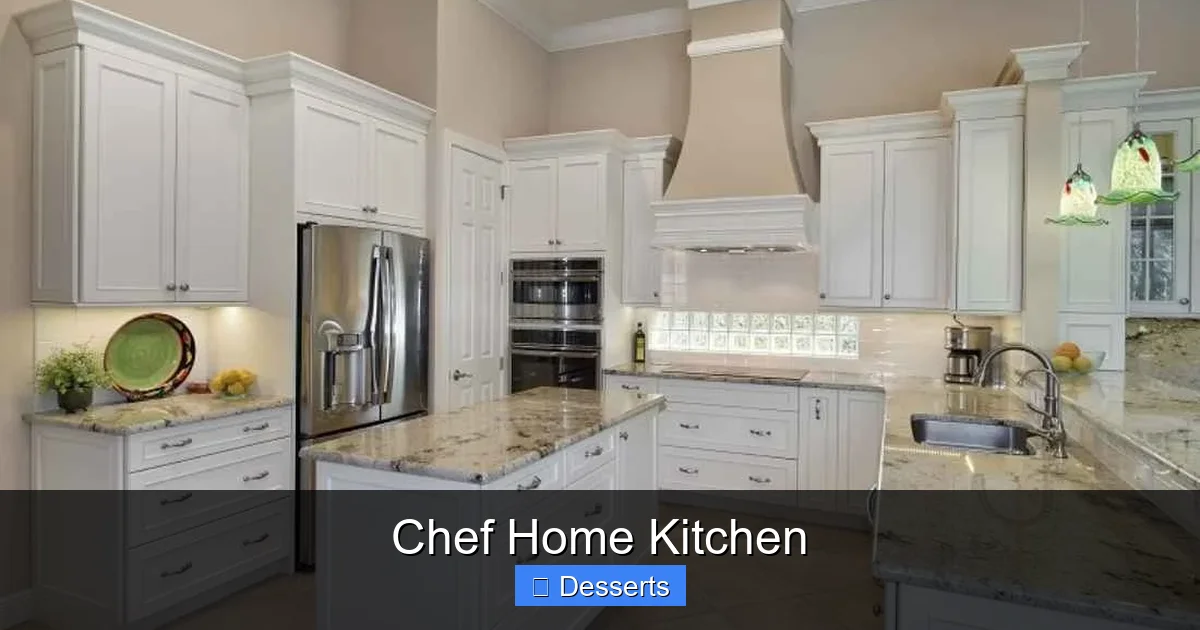
Transforming your kitchen into a chef home kitchen isn’t just about fancy gadgets; it’s about a thoughtful setup, smart organization, and cultivating essential skills. This article guides you through equipping your space with the right tools, optimizing its layout for efficiency, and adopting the mindset of a professional chef, ensuring every meal — from everyday dinners to elaborate desserts — becomes a culinary triumph. Embrace the joy of cooking in a kitchen designed for success.
Have you ever watched a professional chef glide through their kitchen, seemingly effortlessly creating masterpieces, and thought, “I wish my kitchen could do that for me?” You’re not alone! Many home cooks dream of transforming their ordinary cooking space into a highly functional, inspiring hub where culinary creativity can truly flourish. This isn’t about expensive renovations or buying every gadget under the sun. It’s about a philosophy, a mindset, and smart choices that turn your everyday kitchen into a true chef home kitchen.
Imagine a space where every tool is precisely where you need it, ingredients are always fresh and accessible, and your workflow feels smooth and intuitive. That’s the essence of a chef home kitchen. It’s a place designed for efficiency, quality, and joy, allowing you to focus on the art of cooking rather than struggling with limitations. Whether you’re whipping up a quick weeknight meal or meticulously crafting a show-stopping dessert, having a well-organized and well-equipped kitchen can make all the difference.
Defining the Chef Home Kitchen
What exactly sets a chef home kitchen apart from a regular one? It’s more than just aesthetics; it’s about unparalleled functionality, thoughtful design, and a dedication to culinary excellence. It’s a space that supports your passion for food and empowers you to cook with confidence and creativity.
Mindset of a Home Chef
The first step in creating a chef home kitchen isn’t about buying new equipment, but about adopting a new mindset. A professional chef approaches cooking with precision, organization, and respect for ingredients. They think about workflow, timing, and consistency. When you bring this mindset into your home, you start seeing your kitchen not just as a place to prepare food, but as a culinary studio. This means being intentional about your choices, from how you store spices to how you plan your meals.
Function Over Form (But Beautiful Too!)
While a beautiful kitchen is always a delight, in a chef home kitchen, functionality always takes precedence. Every element should serve a purpose and contribute to a smooth cooking experience. This doesn’t mean sacrificing style; it means integrating style with practicality. Think durable surfaces, intelligent storage, and appliances that perform reliably. Your kitchen should feel like a well-oiled machine, ready for any culinary adventure you throw at it, whether it’s baking delicate macarons or searing a perfect steak.
Essential Equipment: Tools of the Trade
A professional chef is only as good as their tools. In your chef home kitchen, investing in quality equipment is key. This doesn’t mean buying every single item, but rather selecting versatile, durable tools that you’ll use regularly and that truly enhance your cooking experience.
Major Appliances: The Workhorses
Your large appliances form the backbone of your chef home kitchen.
- Range/Oven: A reliable stove with consistent heat distribution is crucial. Consider gas for precise temperature control or induction for speed and safety. A convection oven is a game-changer for baking, ensuring even browning and faster cooking, which is perfect for everything from roasted vegetables to flaky pastry desserts.
- Refrigerator/Freezer: Ample, well-organized refrigeration is vital for keeping ingredients fresh. Look for features like precise temperature zones and smart storage solutions.
- Dishwasher: A powerful, quiet dishwasher saves precious time and effort, especially after a big cooking session involving many bowls and utensils, common when making elaborate desserts.
Small Appliances & Gadgets: Smart Helpers
These smaller powerhouses significantly boost efficiency in your chef home kitchen.
- Stand Mixer: An absolute must-have for baking enthusiasts, a good stand mixer (like a KitchenAid) excels at whipping meringues, kneading dough, and creaming butter and sugar for cakes and cookies. It’s a true workhorse for desserts.
- Food Processor: From chopping vegetables to making purees or pie crusts, a food processor is incredibly versatile.
- Immersion Blender: Great for soups, sauces, and even some dessert purees directly in the pot, saving on cleanup.
- High-Speed Blender: Essential for silky smooth sauces, smoothies, and even nut butters or fine-grinding sugar for confectioner’s sugar.
Knives, Cutting Boards, and Prep Tools: Your Daily Drivers
No chef home kitchen is complete without a sharp set of knives and sturdy cutting boards.
- Chef’s Knife: Invest in one high-quality, well-balanced chef’s knife. Learn to sharpen and care for it properly.
- Paring Knife: For delicate tasks like peeling or segmenting citrus, useful for garnishing desserts.
- Bread Knife: A serrated knife is essential for slicing bread and even certain cakes without crushing them.
- Cutting Boards: Have several – different sizes and materials (wood for general prep, plastic for raw meats, composite for smaller tasks).
- Measuring Tools: Accurate liquid and dry measuring cups and spoons are non-negotiable, especially in baking where precision is key. A kitchen scale is also highly recommended for consistent results in a chef home kitchen.
Cookware and Bakeware: From Sauté Pans to Sheet Trays
Choose pieces that are durable and offer even heat distribution.
- Stainless Steel Pans: Versatile and durable, great for searing and sauces.
- Cast Iron Skillet: Excellent for heat retention, perfect for achieving a good crust.
- Non-Stick Pans: Handy for delicate items like eggs or crêpes.
- Sheet Trays: Multiple sizes for roasting vegetables, baking cookies, and setting up mise en place.
- Baking Dishes: Ceramic or glass dishes for casseroles, gratins, and brownies.
- Dessert-Specific Bakeware: Depending on your passion, consider tart pans, springform pans, muffin tins, ramekins, and silicone molds for specialized desserts in your chef home kitchen.
Organization and Layout: The Flow of a Professional
A chef home kitchen thrives on efficiency, and that starts with its layout and organization. Think about how a professional kitchen operates – everything has its place, and the workflow is logical.
Zoning Your Space: Prep, Cook, Wash
Divide your kitchen into functional zones to minimize movement and maximize efficiency.
- Prep Zone: This is where you do most of your chopping, mixing, and measuring. It should have ample counter space, be close to your main cutting boards, knives, and ideally, near the sink and refrigerator.
- Cooking Zone: Centered around your range, this zone should have easy access to pots, pans, and cooking utensils. Spices and oils should be within arm’s reach.
- Washing Zone: Your sink and dishwasher area. Keep cleaning supplies, dish soap, and dishcloths here. Ideally, it’s close to where you finish plating your food for quick cleanup.
Storage Solutions: Smart and Accessible
Clutter is the enemy of efficiency. In a chef home kitchen, smart storage is paramount.
- Vertical Storage: Maximize cabinet space with pull-out shelves, tiered organizers, and magnetic knife strips.
- Pantry Organization: Use clear containers for dry goods, label everything, and arrange items logically (e.g., baking supplies together, spices alphabetized).
- Drawer Dividers: Keep utensils neatly organized and easy to find.
- Hooks and Racks: For frequently used tools like spatulas, whisks, and ladles, keeping them within easy reach without cluttering countertops.
The Power of Mise en Place
“Mise en place” (pronounced “meez-ahn-plahs”) means “everything in its place” and is the cornerstone of a professional chef home kitchen. Before you even turn on the stove, gather all your ingredients, wash, chop, measure, and place them in small bowls or containers. This practice:
- Reduces Stress: No last-minute scrambling for ingredients.
- Improves Timing: You can focus on the cooking process without interruption.
- Minimizes Mistakes: Less chance of forgetting an ingredient or adding the wrong amount.
- Enhances Creativity: With the prep work done, you can truly enjoy the cooking process and even improvise more freely.
Mastering Techniques & Skills: Beyond the Recipe
Having the right tools is only half the battle; knowing how to use them effectively is what truly defines a chef home kitchen. Cultivating fundamental culinary skills will elevate your cooking far beyond simply following a recipe.
Knife Skills: Precision and Safety
Learning proper knife techniques is perhaps the most important skill in any kitchen. It makes prep work faster, safer, and more consistent. Practice your dicing, mincing, and slicing, focusing on a steady hand and even cuts. This precision is vital, especially when dealing with delicate ingredients for desserts or when uniform cooking is desired.
Temperature Control: The Secret to Success
Understanding and controlling temperature is crucial, whether you’re searing meat, tempering chocolate for a dessert, or baking bread.
- Stove Top: Learn to read the heat of your pan.
- Oven: Get to know your oven’s hot spots and ensure accurate temperature with an oven thermometer.
- Internal Temperatures: Use a meat thermometer for proteins and an instant-read thermometer for liquids (like tempering chocolate or making custards). This precision elevates your cooking to a professional level in your chef home kitchen.
Plating and Presentation: Eating with Your Eyes First
Professional chefs know that presentation is just as important as taste. Learn to plate your food aesthetically. Consider color, texture, height, and negative space. Even a simple weeknight meal can look elevated with a thoughtful garnish or a swirl of sauce. This skill is particularly impactful for desserts, where visual appeal often heightens the anticipation and enjoyment.
Flavor Balancing: Building Complex Tastes
Understanding how to balance sweet, sour, salty, bitter, and umami flavors is what distinguishes good cooking from great cooking. Experiment with herbs, spices, acids (like lemon juice or vinegar), and different cooking methods to develop depth and complexity in your dishes. This nuanced approach will make your chef home kitchen creations truly unforgettable.
Pantry and Ingredient Management: Your Culinary Canvas
A chef home kitchen relies on a well-stocked pantry and a commitment to sourcing high-quality ingredients. Think of your pantry as your culinary canvas, ready to inspire countless dishes.
Curating a Chef-Worthy Pantry
Stock your pantry with essentials that give you flexibility and flavor.
- Staples: Grains (rice, pasta, quinoa), flours, sugars (granulated, brown, confectioner’s), oils (olive, vegetable, specialty), vinegars, salt, pepper.
- Canned Goods: Tomatoes, beans, coconut milk, broths.
- Spices & Herbs: A diverse collection of fresh and dried spices is crucial. Keep them organized and check their freshness periodically.
- Baking Supplies: Baking powder, baking soda, vanilla extract, cocoa powder, chocolate chips – essential for any aspiring dessert master in a chef home kitchen.
Sourcing Quality Ingredients
The better your ingredients, the better your final dish. Seek out fresh, seasonal produce from local markets, high-quality proteins from reputable butchers, and artisanal products when possible. Understanding where your food comes from connects you more deeply to the cooking process.
Smart Storage and Inventory
Keep track of what you have to avoid waste and ensure you always have what you need. Rotate your stock (first-in, first-out), store items correctly to maximize shelf life (e.g., herbs in water, onions in a cool, dark place), and regularly check expiration dates.
Maintaining Your Chef Home Kitchen: Longevity and Love
A professional kitchen is always clean and well-maintained. This commitment to upkeep is fundamental to a chef home kitchen, ensuring longevity for your tools and a pleasant cooking environment.
The Daily Clean-Up Ritual
Clean as you go. Wipe down surfaces, wash utensils between tasks, and clear cutting boards regularly. At the end of cooking, a thorough clean-up of counters, sinks, and stovetops prevents grime buildup and makes the next cooking session more enjoyable. This “clean as you go” philosophy is key to maintaining a functional chef home kitchen.
Tool Maintenance: Keeping Things Sharp
Proper care extends the life of your equipment.
- Knives: Sharpen regularly and store safely to protect the blade.
- Cast Iron: Season and clean properly to maintain its non-stick properties.
- Appliances: Follow manufacturer guidelines for cleaning and maintenance (e.g., cleaning oven spills promptly, descaling coffee makers).
Regular Deep Cleaning
Schedule periodic deep cleans for your oven, refrigerator, pantry, and cabinets. This prevents hidden buildup, ensures hygiene, and keeps your chef home kitchen in top condition.
Creating a chef home kitchen is a journey, not a destination. It’s about continually refining your space, honing your skills, and embracing the joy of cooking with intention and passion. By focusing on functionality, investing wisely in tools, organizing intelligently, and mastering fundamental techniques, you can transform your kitchen into a culinary sanctuary. This elevated space will empower you to cook delicious, memorable meals and delightful desserts, bringing the professional kitchen experience right into the heart of your home. Enjoy the process, savor the flavors, and become the chef of your own home kitchen.
Key Takeaways
- Mindset Shift: A true chef home kitchen begins with adopting a professional mindset, prioritizing efficiency, organization, and a commitment to quality in every culinary endeavor.
- Strategic Equipment Selection: Invest in high-quality, versatile tools and appliances that truly enhance your cooking, rather than cluttering your space with unnecessary gadgets.
- Optimized Layout and Organization: Design your kitchen into logical zones (prep, cook, wash) and implement smart storage solutions to streamline workflows and maintain a clutter-free environment.
- Mastering Fundamental Skills: Beyond recipes, focus on developing core techniques like knife skills, temperature control, and plating, which are crucial for consistent, professional-level results, especially for delicate desserts.
- Quality Ingredient Management: Stocking a curated pantry with essential staples and sourcing fresh, high-quality ingredients are paramount for elevating the flavors of your dishes.
- Embrace Mise en Place: Adopting the “everything in its place” philosophy before cooking dramatically improves efficiency, reduces stress, and minimizes errors.
- Consistent Maintenance: Regular cleaning and proper care of your tools and kitchen space not only extend their lifespan but also create a more enjoyable and hygienic cooking environment.
Quick Answers to Common Questions
What is the most important investment for a chef home kitchen?
While many tools are helpful, a high-quality chef’s knife and the skills to use and maintain it properly are arguably the most crucial investments. It directly impacts safety, efficiency, and the quality of your prep work.
How often should I sharpen my kitchen knives?
Ideally, knives should be honed with a steel or ceramic rod before or after every use to maintain their edge. A professional sharpening service or a good whetstone should be used every few months, depending on frequency of use.
Is a stand mixer really necessary for a chef home kitchen?
For those who love baking, especially desserts, a stand mixer is incredibly valuable. It handles heavy doughs, whips creams and meringues efficiently, and frees up your hands for other tasks, making complex recipes much easier.
What is “mise en place” and why is it important?
“Mise en place” means “everything in its place” in French. It refers to the practice of preparing and organizing all your ingredients before you start cooking. It’s crucial because it streamlines your workflow, reduces stress, prevents mistakes, and allows you to focus solely on the cooking process.
How can I make my small kitchen feel like a chef home kitchen?
Even small kitchens can be efficient. Focus on smart storage solutions (vertical space, magnetic strips), multi-functional tools, and a meticulous “mise en place” routine. Organize into clear zones, keep countertops clear, and prioritize essential equipment over clutter.
🎥 Related Video: 5 star breakfast as a private chef!
📺 Jess Linnea
Frequently Asked Questions
How do I start transforming my kitchen into a chef home kitchen?
Begin by decluttering and organizing your current space. Then, identify your most frequently used tools and assess their quality. Make a list of essential items you truly need, prioritizing quality over quantity, and gradually upgrade your equipment while practicing fundamental cooking skills.
What are some budget-friendly tips for setting up a chef home kitchen?
You don’t need to break the bank. Start with one good chef’s knife, a sturdy cutting board, and a versatile pot and pan. Look for sales, buy used quality items (like cast iron), and focus on multi-functional tools instead of single-use gadgets. Learning good techniques costs nothing!
How important is a good lighting setup in a chef home kitchen?
Excellent lighting is incredibly important. It helps you see clearly for precise knife work, accurately assess food colors (e.g., doneness of baked goods), and creates a more pleasant and safer cooking environment. Consider a combination of ambient, task, and accent lighting.
Should I get gas or induction for my chef home kitchen stove?
Both have merits. Gas offers instant visual control and is preferred by many chefs for its responsiveness. Induction provides incredibly precise temperature control, faster heating, and is energy-efficient and safer due to a cooler surface. Your choice depends on personal preference and cooking style.
How do I maintain freshness for ingredients in my chef home kitchen?
Proper storage is key. Use airtight containers for dry goods, refrigerate perishables promptly at the correct temperature, and understand how different fruits and vegetables should be stored (e.g., some need to breathe, others need humidity). Regularly check inventory to avoid spoilage.
What is the role of aesthetics in a chef home kitchen?
While functionality takes precedence, aesthetics contribute to an inspiring and enjoyable cooking environment. A well-designed, clean, and visually appealing kitchen can motivate you to cook more often and feel more creative. It should be a space you love spending time in, blending practicality with personal style.
geminichef.com is a participant in the Amazon Services LLC Associates Program, an affiliate advertising program. As an Amazon Associate, we earn from qualifying purchases made through our links.