
Yes, you can freeze many Home Chef meal components and even some prepared meals, but with important caveats. Freezing raw meats, certain vegetables, and starchy items works best, while high-water content produce or dairy may suffer in quality. Proper packaging, prompt action, and safe thawing are crucial to maintaining taste and safety when you freeze Home Chef meals.
Life can be wonderfully unpredictable, can’t it? One minute you’re excitedly unpacking your fresh Home Chef delivery, planning a week of delicious, easy-to-make meals. The next, an unexpected event pops up – a last-minute dinner invitation, a sudden trip, or simply a change of plans – and you find yourself wondering what to do with those beautifully portioned ingredients. You’ve invested in convenience and quality, and the last thing you want is for those fresh ingredients to go to waste.
This common dilemma often leads to a pressing question for many meal kit subscribers: “Can you freeze Home Chef meals?” It’s a smart question, one that speaks to both practicality and a desire to minimize food waste. The good news is that for many Home Chef components and even some prepared dishes, freezing is absolutely an option. However, it’s not a one-size-fits-all solution, and understanding the nuances is key to preserving both the safety and the quality of your meals. Let’s dive deep into how you can effectively use your freezer to extend the life of your Home Chef kits.
Key Takeaways
- Yes, Most Components Can Be Frozen: Raw proteins (like chicken, beef, pork, and many fish) and sturdy vegetables from your Home Chef kits generally freeze very well.
- Some Ingredients Don’t Freeze Well: High-water content vegetables (like lettuce, cucumbers, fresh tomatoes) and delicate dairy products (like sour cream, soft cheeses) will likely have an unappealing texture after thawing.
- Act Promptly for Best Results: Freeze ingredients or prepared meals as soon as you realize you won’t cook them within their fresh shelf life, rather than waiting until the last minute.
- Proper Packaging is Crucial: Use airtight containers or freezer bags to prevent freezer burn and maintain food quality. Remove as much air as possible before sealing.
- Separate and Label Components: For uncooked meals, it’s often best to freeze individual components separately. Always label with the date and meal name.
- Thaw Safely in the Refrigerator: Always thaw frozen Home Chef ingredients or meals in the refrigerator for the safest and best quality results.
- Consider Pre-Cooking Some Meals: Certain meals, especially those that are casserole-like or stew-like, might be better cooked first and then frozen, rather than freezing raw components.
Quick Answers to Common Questions
Can I freeze Home Chef raw chicken?
Yes, raw chicken from your Home Chef kit freezes very well. Simply transfer it to an airtight freezer bag or container and freeze promptly for best quality.
Do Home Chef vegetables freeze well?
It depends on the type. Hearty vegetables like broccoli and carrots freeze well, but high-water content ones like lettuce or fresh tomatoes will become mushy upon thawing.
Should I cook Home Chef meals before freezing them?
For some meals, especially casseroles or stews, cooking them first and then freezing the finished dish can yield better results. For others, freezing raw components separately is best.
How long can I freeze Home Chef meals?
For best quality, most frozen Home Chef components or cooked meals should be consumed within 3-6 months. They remain safe beyond that if properly frozen, but quality may decline.
What’s the best way to thaw frozen Home Chef ingredients?
The safest and best method is to thaw them slowly in the refrigerator overnight. You can also use cold water thawing for quicker results, but cook immediately afterwards.
📑 Table of Contents
Understanding Home Chef’s Freshness Philosophy
Home Chef prides itself on delivering fresh, high-quality ingredients right to your door. Their entire model is built around providing you with exactly what you need to cook a meal within a few days of receiving it. This commitment to freshness is evident in how they package their ingredients – often individually sealed, sometimes in breathable bags, and always with appropriate insulation to maintain optimal temperatures during transit.
Because of this focus on fresh consumption, Home Chef’s primary recommendation is always to cook and enjoy your meals within the suggested timeframe, usually stated on the recipe card or packaging. They design their recipes to taste best when made with fresh ingredients. However, they also understand that life happens. While freezing might not be their *first* suggestion, it’s a valuable tool in your kitchen arsenal for managing your meal kits flexibly. The key here is to know which ingredients will withstand the freezing process gracefully and which might suffer.
The “Can You Freeze Home Chef Meals” General Rule
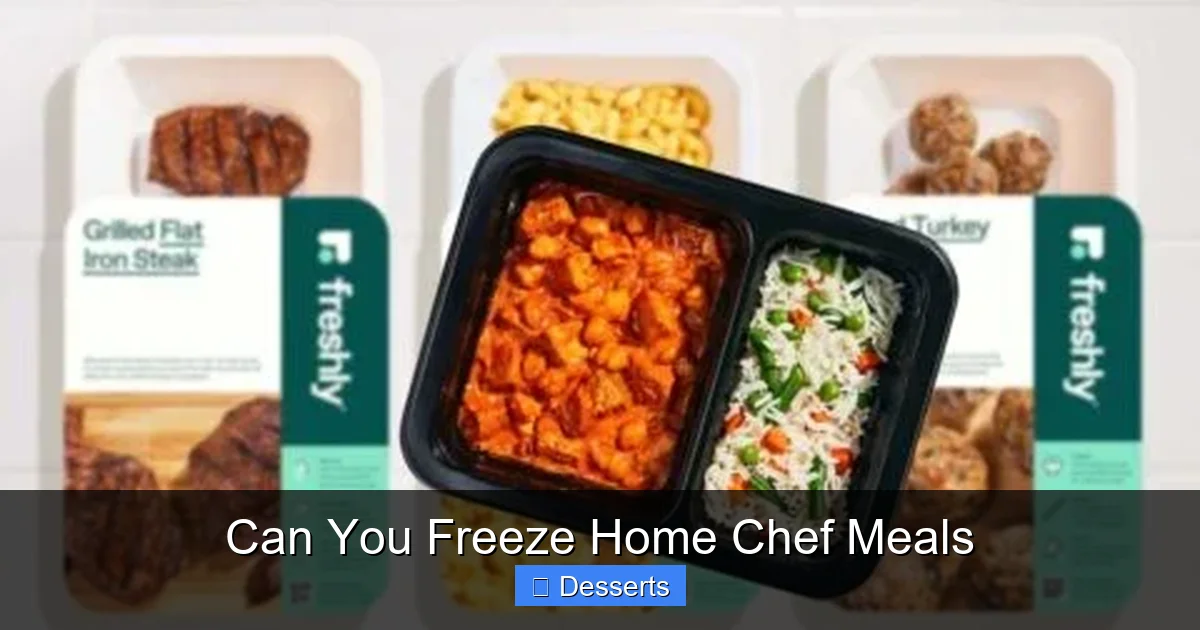
Visual guide about Can You Freeze Home Chef Meals
Image source: juliescafebakery.com
So, let’s get straight to the burning question: Can you freeze Home Chef meals? The short answer is yes, most components of your Home Chef meals *can* be frozen. Think of your Home Chef kit as a collection of individual grocery items. Just like you’d freeze raw chicken or a block of cheese from the supermarket, you can often do the same with the ingredients from your meal kit.
However, the longer answer is more nuanced. The success of freezing Home Chef meals largely depends on the specific ingredients involved and whether they are frozen raw or after being cooked. Some ingredients maintain their texture and flavor beautifully, while others might become mushy, grainy, or simply lose their appeal after being frozen and thawed. It’s all about managing expectations and knowing which battles to pick. The goal isn’t just to make the food safe to eat, but to make it *enjoyable* to eat later on. So, when you ask “Can you freeze Home Chef meals?” the answer is “yes, with smart choices!”
Which Home Chef Ingredients Freeze Well (and Which Don’t)
To help you make those smart choices, let’s break down Home Chef ingredients into categories based on their freezer-friendliness. Knowing this will dramatically improve your success rate when you decide to freeze Home Chef meals.
Ingredients That Freeze Beautifully
* Raw Meats: This is by far the easiest category. Raw chicken breasts, ground beef, pork chops, sausages, and even many types of fish (like salmon or cod) freeze exceptionally well. Simply transfer them from their Home Chef packaging into an airtight freezer bag or container. This is a top tip for extending the life of your protein when you can’t cook your Home Chef meal right away.
* Hearty Vegetables: Items like broccoli florets, carrots, corn kernels, peas, bell peppers (especially if sliced), and onions (chopped) can be frozen. For best results with raw hearty vegetables, a quick blanching (boiling for a minute or two then plunging into ice water) before freezing can help preserve their texture and color, though it’s not always strictly necessary if you’re planning to cook them thoroughly later.
* Starchy Items: Uncooked pasta, rice, and even bread (like buns or tortillas) freeze well. If your Home Chef meal includes uncooked pasta, you can absolutely store it in the freezer. Cooked pasta can also be frozen, though sometimes it might become a little softer upon reheating.
* Many Sauces: Broth-based sauces, tomato-based sauces, and many marinades tend to freeze effectively. You might notice a slight separation in consistency upon thawing, but a good stir usually resolves this.
* Prepared Soups and Stews: If you’ve already cooked a Home Chef soup or stew, these are prime candidates for freezing. They often taste even better after freezing and reheating as the flavors meld.
Ingredients That Are Tricky or Don’t Freeze Well
* High-Water Content Vegetables: This is where things get tricky. Vegetables like lettuce, cucumbers, fresh tomatoes, mushrooms, and raw potatoes (unless blanched or part of a cooked dish) have a high water content. When frozen, the water crystals expand, rupturing cell walls. Upon thawing, they turn mushy, watery, and unappetizing. It’s best to use these fresh.
* Delicate Herbs: Fresh herbs like cilantro, basil, and parsley will lose their vibrant color, flavor, and texture when frozen raw. It’s better to chop them and mix them with a little oil before freezing in ice cube trays, or just use them up fresh.
* Dairy Products: Soft cheeses (like ricotta, cream cheese), sour cream, and plain yogurt tend to separate and become grainy or watery after freezing and thawing. Harder cheeses might fare a bit better, but still can become crumbly. Heavy cream can sometimes work, but often separates.
* Fried or Crispy Items: Anything meant to be crispy, like breaded chicken cutlets or fried onions, will likely become soggy when frozen and reheated.
* Cooked Pasta (Sometimes): While uncooked pasta freezes well, cooked pasta can sometimes become too soft or mushy after freezing and thawing, especially if overcooked initially. If you do freeze cooked pasta, slightly undercook it before freezing.
* Some Pre-Cooked Components: If Home Chef sends a pre-cooked sauce or ingredient that is very delicate or meant for immediate consumption, be wary. Always check the texture and ingredients.
Best Practices for Freezing Home Chef Meals
Once you’ve identified which components are suitable, the next step is to master the freezing technique. Proper preparation is paramount to ensuring your food remains safe and tastes as good as possible when you eventually cook or reheat it.
Freeze Promptly
Don’t wait until the ingredients are nearing their “use by” date. The fresher the food is when it goes into the freezer, the better its quality will be when it comes out. As soon as you know you won’t be cooking a specific Home Chef meal, prepare its freezable components for freezing. This is perhaps the most important tip when asking “Can you freeze Home Chef meals?” effectively.
Proper Packaging is Key
This cannot be stressed enough. Air is the enemy of frozen food.
- Airtight Containers: Use rigid, airtight plastic containers or glass containers designed for freezer use.
- Freezer Bags: Heavy-duty freezer bags are excellent because you can squeeze out most of the air. If you have a vacuum sealer, even better!
- Remove Air: Whether using a bag or container, try to minimize the amount of air inside to prevent freezer burn, which causes dry, discolored spots on food.
- Wrap Individually: For items like raw meat, consider wrapping individual pieces in plastic wrap or foil before placing them in a freezer bag or container for extra protection.
Separate Components
When you freeze Home Chef meals that are uncooked kits, it’s almost always better to separate the ingredients. Freeze raw meat in one bag, hearty vegetables in another, and sauces (if suitable) in a third. This allows for more flexible thawing and cooking, as different ingredients have different thawing times.
Consider Pre-cooking
For certain types of Home Chef meals, especially those that resemble casseroles, stews, or baked dishes, you might get better results by cooking the entire meal according to the recipe instructions first, and then freezing the cooked dish. This often helps to meld flavors and maintain texture more effectively than freezing individual raw components. Just be sure to cool the cooked meal completely before freezing.
Portioning
Freeze food in meal-sized portions that make sense for your household. This avoids having to thaw a large amount of food only to refreeze a portion, which is generally not recommended as it can degrade quality and pose safety risks.
Label Everything!
A well-stocked freezer can quickly become a mystery box if items aren’t labeled. Use freezer-safe labels or a permanent marker to clearly write:
- The name of the Home Chef meal or component.
- The date it was frozen.
This helps you identify items quickly and ensures you use them within a reasonable timeframe (generally 3-6 months for best quality, though food remains safe much longer if properly frozen).
The Thawing and Reheating Process
Freezing is only half the battle. Thawing and reheating your Home Chef meals safely and effectively are just as important for a delicious outcome.
Thawing Safely
The safest way to thaw any frozen food is in the refrigerator. This allows it to thaw slowly and evenly, minimizing bacterial growth.
- Refrigerator Thawing: Plan ahead! Most Home Chef meal components or cooked meals will take 12-24 hours (or even longer for larger items) to thaw completely in the refrigerator. Place the frozen item on a plate or in a shallow dish to catch any drips.
- Cold Water Thawing: For quicker thawing, you can place sealed bags of frozen food in a bowl of cold water, changing the water every 30 minutes. Cook immediately after thawing.
- Microwave Thawing: Use the defrost setting on your microwave if you plan to cook the food immediately after thawing. However, microwave thawing can sometimes lead to uneven thawing and partial cooking, which can affect texture.
Never thaw food at room temperature, as this puts it in the “danger zone” where bacteria multiply rapidly.
Reheating Tips
Once thawed, you can cook your Home Chef ingredients as per the original recipe instructions. For already cooked and frozen meals, follow these reheating guidelines:
- Oven for Best Texture: For casseroles, baked dishes, or anything you want to regain some crispness, reheating in the oven is usually best. Cover with foil initially to prevent drying, then uncover towards the end.
- Stovetop for Sauces and Stir-fries: Soups, stews, and stir-fries reheat well on the stovetop over medium heat, stirring occasionally. Add a splash of broth or water if it seems too thick or dry.
- Microwave for Speed: The microwave is convenient but can sometimes lead to uneven heating or affect the texture of delicate foods. Stir frequently and check temperature.
- Ensure Safe Temperature: Always ensure that all reheated food reaches an internal temperature of 165°F (74°C) to kill any potential bacteria.
- Adjust Seasoning: Sometimes, freezing can slightly mute flavors. Taste your reheated dish and adjust seasonings if needed.
Maximizing Your Home Chef Experience with Freezing
Incorporating freezing into your Home Chef routine isn’t just about salvaging meals; it’s about optimizing your entire meal planning strategy. When you learn, “Can you freeze Home Chef meals?” you unlock a new level of flexibility and efficiency.
* Reduce Food Waste: This is perhaps the most significant benefit. Freezing prevents perfectly good food from ending up in the bin, saving you money and being kinder to the environment.
* Emergency Meal Stash: Having a few frozen Home Chef components or even fully cooked meals means you always have a backup plan for those incredibly busy nights when you don’t have time to cook or shop.
* Flexibility for Busy Weeks: If you know a particular week will be hectic, you can order your Home Chef meals, use what you can, and freeze the rest to spread out your cooking throughout a longer period.
* Cost-Effectiveness: By reducing waste and extending the life of your purchases, you’re getting more value out of your Home Chef subscription.
Conclusion
So, can you freeze Home Chef meals? Absolutely, yes! With a little know-how and some careful planning, your freezer can become an invaluable partner in making your Home Chef subscription even more convenient and sustainable. By understanding which ingredients freeze well, adopting proper packaging techniques, and mastering safe thawing and reheating, you can confidently extend the life of your delicious meal kits. Don’t let a change of plans lead to wasted food. Embrace the power of your freezer, and continue to enjoy fresh, homemade Home Chef meals on your schedule, whenever you’re ready to cook. Happy freezing and happy cooking!
🎥 Related Video: Change Your Life with Freezer Meal Prep!
📺 My Family Dinner – Easy Recipes – Freezer Meals
Save for later If you haven’t given freezer cooking a try yes, I highly recommend it. Especially with the extreme prices in the …
Frequently Asked Questions
Can I freeze the sauces that come with Home Chef meals?
Many sauces, especially broth-based or tomato-based ones, freeze quite well. Cream-based sauces might separate upon thawing, but often a good whisk can bring them back together enough to use.
Will freezing affect the taste of my Home Chef meals?
While freezing generally preserves food, some delicate flavors and textures can be slightly altered. For most items that freeze well, the change is minimal, but high-water content items will definitely change texture.
Do I need to take the ingredients out of their Home Chef packaging before freezing?
Yes, it’s best to remove ingredients from their original packaging and place them into airtight freezer bags or containers. This provides better protection against freezer burn and preserves quality.
Can I freeze a Home Chef meal that has already been cooked?
Absolutely! If you cooked a Home Chef meal and have leftovers, or intentionally cooked extra, you can freeze the prepared dish. Just make sure it cools completely before freezing and is stored in an airtight container.
What happens if I freeze ingredients that don’t freeze well?
While generally safe to eat, ingredients that don’t freeze well (like lettuce or sour cream) will likely have a significantly degraded texture—think mushy, watery, or grainy—making them less enjoyable.
Is it safe to refreeze Home Chef meals once they’ve been thawed?
It’s generally not recommended to refreeze thawed food, especially if it has been thawed at room temperature, due to potential bacterial growth and significant quality degradation. Only refreeze if the food was thawed in the refrigerator and kept below 40°F (4°C) and shows no signs of spoilage, though quality will still suffer.
geminichef.com is a participant in the Amazon Services LLC Associates Program, an affiliate advertising program. As an Amazon Associate, we earn from qualifying purchases made through our links.