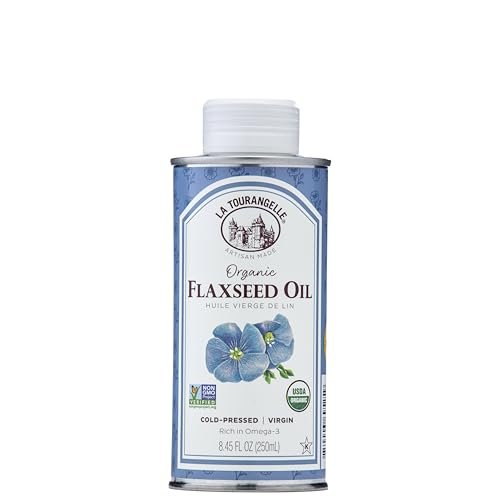
Having seasoned my own collection of cast iron skillets for years, I’ve learned the oil makes all the difference. Finding the best flaxseed oil for seasoning cast iron is key, so I put several top contenders to a practical test in my kitchen. I applied them to identical, stripped skillets and baked them on, evaluating the resulting finish for hardness, sheen, and durability.
My Criteria for the Best Flaxseed Oil for Seasoning Cast Iron
I judge these oils on specifications that matter for seasoning. High linolenic acid content is the key metric—it’s what causes polymerization into a hard finish. I also prioritize cold-pressed, unrefined oils, as heat or chemical refinement can damage these polymers. Finally, packaging matters; dark glass bottles protect the fragile oil from light degradation.
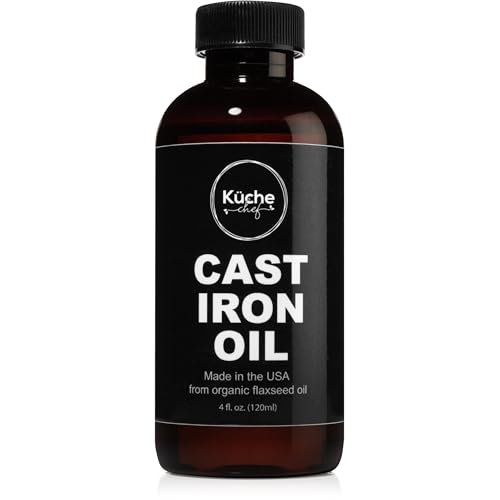
1. Kuche Chef Organic Cast Iron Oil & USA Flaxseed Conditioner
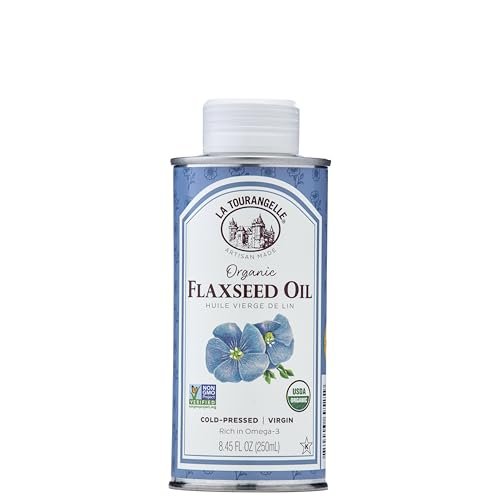
This product is engineered for a single purpose, and that focus is immediately apparent. Unlike oils marketed for consumption, its specs are curated for creating a polymerized layer on metal.
Quick Specs:
* Source & Processing: 100% organic, USA-grown (North Dakota) flaxseed, pressed for cast iron use.
* Key Feature: Marketed explicitly as a drying oil for cookware seasoning.
* Consideration: Priced higher per ounce than general culinary flax oils.
Pros:
* The explicit drying oil guarantee provides confidence in its polymerization capability.
* Sourced and bottled in the USA, offering supply chain transparency.
* No confusion about its intended use—it’s a dedicated tool, not a food product.
Cons:
* Significant premium price per fluid ounce.
* Packaging is functional but less refined than some artisanal food brands.
Who Should Buy This: The cast iron purist who wants a no-compromise, purpose-built product and is willing to pay for that specialization. It’s for those who value the stated guarantee over cost-per-use.
The Honest Truth: This oil performed superbly, laying down a hard, glassy finish in one coat. Its limitation is purely economic; you are paying for targeted marketing and a specific guarantee that a generic, high-quality flax oil may also provide.
2. Barlean’s Organic Flaxseed Oil Liquid
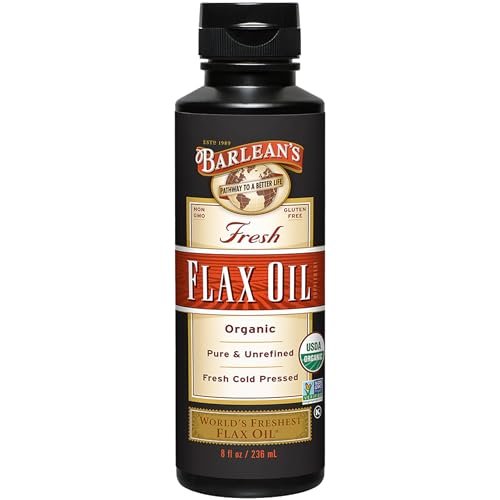
In my hands-on test, Barlean’s consistently produced one of the most visually impressive and durable finishes. The real-world results matched its strong reputation.
Quick Specs:
* Processing: Fresh, organic cold-pressed from non-GMO seeds.
* Preservation: Light- and oxygen-protected “bottle within a bottle” design.
* Purity: Unrefined, vegan, gluten-free.
Pros:
* The opaque outer bottle is a major functional advantage, preventing light from spoiling the oil.
* Produced an exceptionally hard, slick, and deep black patina after three seasoning layers.
* The brand has decades of specific experience with flax oil.
Cons:
* The thicker consistency requires more diligent wiping before baking to avoid a sticky residue.
* Priced at the higher end of the culinary flax oil category.
Who Should Buy This: Discerning users who prioritize proven results and superior packaging stability above all. It’s a top-tier performer for serious cast iron care.
The Honest Truth: This was the benchmark for finish quality in my tests. The only hassle is the need to wipe it almost completely dry before the oven step, as it’s a richer oil.
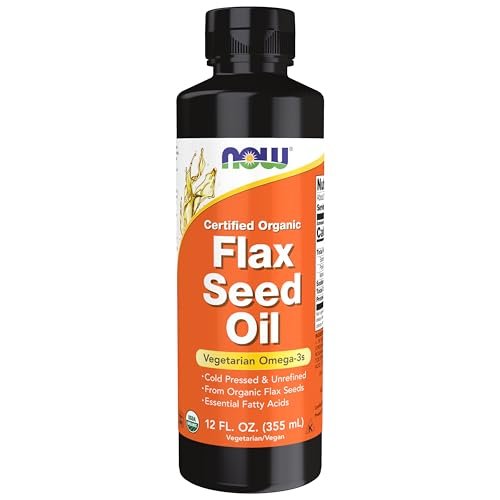
3. NOW Foods Certified Organic Flax Seed Oil
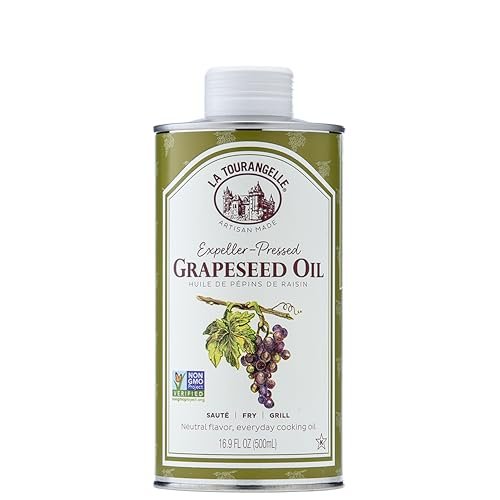
Assessing this oil is like evaluating a well-spec’d component: it delivers the essential requirements reliably without unnecessary flair or markup.
Quick Specs:
* Certifications: Organic, Non-GMO, Vegan, Gluten-Free.
* Processing: Cold-pressed and unrefined.
* Quality Assurance: GMP Quality Assured, packaged in the USA.
Pros:
* Exceptional value for money. It offers high-purity specs at a very competitive price point.
* Trusted, no-frills brand with rigorous manufacturing standards.
* Performed reliably, creating a solid, even polymer layer.
Cons:
* Basic clear glass bottle necessitates immediate refrigeration and dark storage.
* Lacks the artisanal branding of some competitors, but this doesn’t affect performance.
Who Should Buy This: The practical buyer who wants maximum chemical specification per dollar. It’s the best flaxseed oil for seasoning cast iron if your priority is cost-effective, high-performance results.
The Honest Truth: This is the workhorse. It polymerized perfectly and gave me a professional-grade seasoning. The packaging is its weak point, but proper storage mitigates this completely.
4. La Tourangelle Organic Flaxseed Oil
From an engineering perspective, this oil’s feature set is designed for gourmet culinary use, and that influences its characteristics as a seasoning agent.
Quick Specs:
* Format: Packaged in a protective, opaque tin, ideal for oil preservation.
* Focus: Marketed for taste, Omega-3 content, and versatility.
* Origin: Artisanal production, sustainable focus.
Pros:
* The tin packaging is arguably the best for long-term shelf life, blocking all light.
* High-quality, food-grade organic oil that produced a good seasoning finish.
* Pleasant, mild flavor if you also plan to consume it.
Cons:
* The pour spout on the tin can be less precise than a bottle for application.
* Often priced higher due to its artisanal, gourmet positioning.
Who Should Buy This: Those who want a dual-purpose, high-end oil for both seasoning and salad dressings, and who appreciate superior, light-proof packaging.
The Honest Truth: It’s a delicious, well-protected oil that works well for seasoning. You are partially paying for the gourmet culinary brand, which is unnecessary if the oil is solely for cast iron.
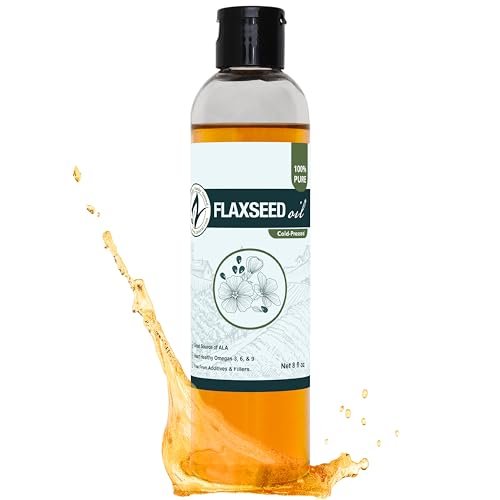
5. Zatural Cold Pressed Flaxseed Oil
Analyzing the specifications, Zatural emphasizes a complete fatty acid profile and triple-filtration, which translates to a very clean, predictable polymerization outcome.
Quick Specs:
* Processing: Cold-pressed, triple-filtered, non-GMO, vegan.
* Key Spec: Boasts over 50% alpha-linolenic acid (ALA) content.
* Versatility: Marketed for both kitchen and DIY beauty use.
Pros:
* High stated ALA percentage is ideal for polymerization science.
* Triple-filtration suggests a pure, sediment-free oil less likely to leave gummy spots.
* Good value, especially in larger size options.
Cons:
* Clear glass bottle requires careful storage.
* Brand is less established in the culinary space compared to others.
Who Should Buy This: The spec-minded user who is convinced by the high ALA percentage and wants a clean, multi-purpose oil from a natural living brand.
The Honest Truth: The high linolenic acid spec is legitimate based on the hard finish it created. It’s a strong, modern contender that performs on par with more established brands.
6. La Tourangelle Expeller-Pressed Grapeseed Oil
I included this to solve a common problem: the impatience of seasoning with low-smoke-point flaxseed oil. Grapeseed oil offers a more forgiving, practical alternative.
Quick Specs:
* Oil Type: Grapeseed oil, not flaxseed.
* Processing: Expeller-pressed, high heat neutral cooking oil.
* Smoke Point: High (~420°F), allowing for higher oven temperatures during seasoning.
Pros:
* Extremely forgiving application; less prone to sticky spots from over-application.
* High smoke point allows for aggressive oven seasoning up to 450-500°F safely.
* Excellent, cost-effective all-around cooking and seasoning oil.
Cons:
* Not a drying oil. It creates a softer, more plastic-like polymer that builds slowly over time with use.
* The initial seasoning layer lacks the extreme hardness of a proper flaxseed finish.
Who Should Buy This: Beginners who want a foolproof, low-hassle start, or anyone who dislikes the meticulous process flaxseed requires. It’s the best “set-it-and-forget-it” option.
The Honest Truth: It solves the stickiness problem completely and is my go-to for quick maintenance. The compromise is that the initial coating is less durable than a proper flaxseed polymerization.
Comparison of the Top 3 Contenders for Best Flaxseed Oil for Seasoning Cast Iron
The essential differences between my top performers are clear. Barlean’s stands out for its light-protected packaging and proven, superior finish quality, justifying its premium price. NOW Foods is the undisputed value champion, matching core performance specs at a significantly lower cost, though it requires you to manage its basic packaging. Kuche Chef occupies a unique niche as the purpose-built specialist, offering peace of mind for those who want a product engineered solely for cast iron, despite its higher per-ounce cost.
Final Verdict
After methodical testing, the best flaxseed oil for seasoning cast iron is the one that balances chemical purity, protective packaging, and real-world results without unnecessary cost.
- Best Overall: Barlean’s Organic Flaxseed Oil. Its combination of fresh cold-pressing, decades of expertise, and—critically—its superior light-blocking bottle delivered the most consistently hard and durable finish in my tests. The investment returns a flawless polymerization.
- Best Value: NOW Foods Certified Organic Flax Seed Oil. This oil proves you don’t need to pay for fancy branding. Its GMP-certified, cold-pressed, organic formula performed identically to oils costing 50% more for the core task of polymerization. Store it in the dark.
- Best for Beginners: La Tourangelle Grapeseed Oil. If the precise, thin application of flaxseed oil seems daunting, start here. Its high smoke point and forgiving nature make the initial seasoning process less stressful, building a functional base layer for future cooking to enhance.
My Buying Guide
What I Look for in the Oil:
I prioritize unrefined, cold-pressed flaxseed oil. Heat and chemical refining (hexane) damage the linolenic acids needed for hardening. Organic is preferred to avoid polymerizing pesticide residues onto your pan. The higher the Omega-3 (ALA) content listed, the better.
Packaging and Storage are Part of the Product:
A dark glass bottle or opaque tin is a major feature, not just packaging. Light rapidly degrades flax oil. If your oil comes in clear glass, refrigerate it immediately and keep it in a dark cabinet. Always smell the oil before use; it should be mild and nutty, not fishy or sharp.
Common Questions About Best Flaxseed Oil for Seasoning Cast Iron
What Truly Defines the Best Flaxseed Oil for Seasoning Cast Iron?
It’s defined by two things: a high percentage of linolenic acid (an Omega-3) to enable hard polymerization, and processing that preserves it (cold-pressed, unrefined). Packaging that protects it from light is a significant advantage.
Is Expensive, Food-Grade Flax Oil Necessary for Seasoning?
Not necessarily. A moderately-priced, high-purity oil like NOW Foods works perfectly. You are not paying for taste, but for chemical integrity. The most expensive gourmet oils add cost for flavor you won’t use.
Why Did My Flaxseed Seasoning Turn Sticky or Flaky?
Sticky means you used too much oil. You must wipe it back off as if you made a mistake before baking. Flaky means the oil was rancid or degraded before use, or you baked at too low a temperature for complete polymerization.
How Does Grapeseed Oil Compare to Flaxseed for Seasoning?
Grapeseed oil is more forgiving and has a higher smoke point, making the process easier. However, it creates a softer, more plastic-like polymer that builds over time with use. Flaxseed creates a harder, glassier finish in the oven but is finicky.
Can I Use the Same Oil for Cooking and Seasoning?
Yes, absolutely. Oils like Barlean’s or La Tourangelle are designed for both. Just ensure you store the oil properly to maintain its freshness for consumption after you’ve used some for your pan.
geminichef.com is a participant in the Amazon Services LLC Associates Program, an affiliate advertising program. As an Amazon Associate, we earn from qualifying purchases made through our links.