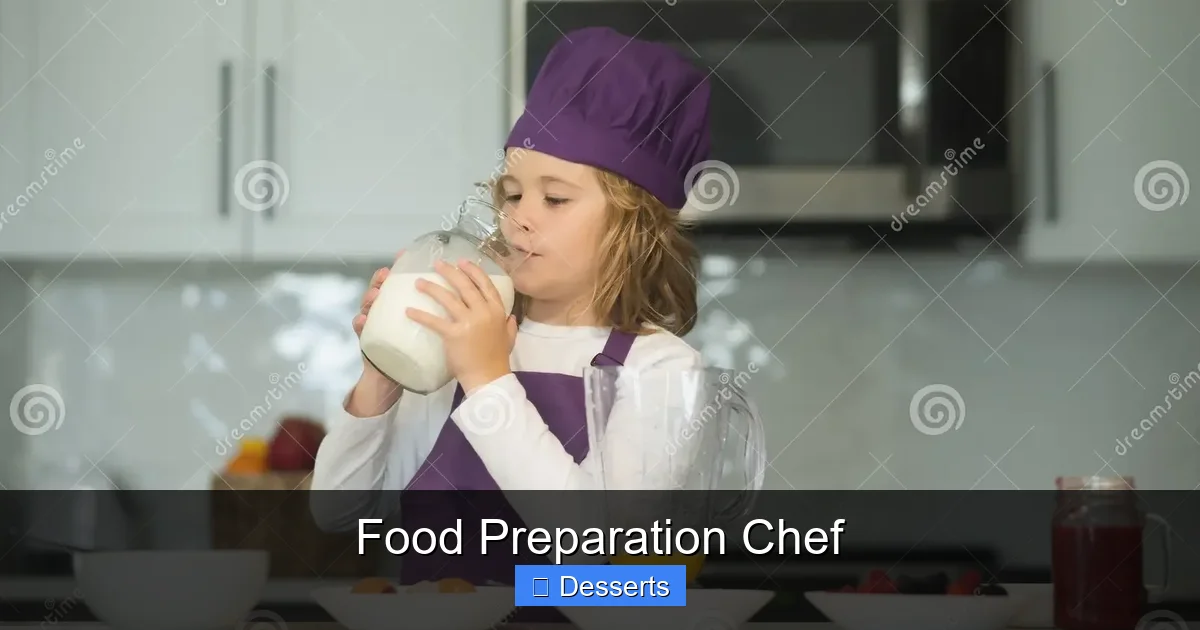
Every exquisite dessert starts with meticulous groundwork. The food preparation chef is the unsung hero, laying the foundation for delicious dishes by carefully preparing ingredients. This crucial role demands precision, organization, and a deep understanding of food, ensuring quality and efficiency in any kitchen, especially in the delicate world of pastry.
Have you ever savored a perfectly crafted dessert? Think about a delicate mousse, a flaky tart, or an intricate plated dessert. The delightful flavors, the stunning presentation, the harmonious textures – all these elements seem to magically come together on your plate. But what if I told you that long before a pastry chef puts the finishing touches on that masterpiece, another crucial player has been working diligently behind the scenes? This unsung hero is the **food preparation chef**.
Often called a prep cook, this role is the backbone of any professional kitchen. They are the guardians of “mise en place,” a French culinary term meaning “everything in its place.” Imagine a symphony orchestra; the conductor and soloists get the spotlight, but the musicians in the sections provide the essential harmony and rhythm. Similarly, the **food preparation chef** handles the foundational work. They ensure every ingredient is perfectly prepared, portioned, and ready for the lead chefs to transform into culinary wonders. It’s a role built on precision, organization, and a deep love for quality ingredients.
What Exactly Does a Food Preparation Chef Do?
The daily life of a **food preparation chef** is bustling and varied. While the specific tasks can differ greatly depending on the type of restaurant or catering service, the core responsibility remains consistent: getting ingredients ready. In a dessert-focused environment, this often means handling delicate and specific components.
Mise en Place Mastery: The Heart of the Role
The most significant aspect of this job is perfecting “mise en place.” This isn’t just about chopping vegetables; it’s a comprehensive system of organization and readiness. For a **food preparation chef** working with desserts, this might involve:
- Washing and perfectly peeling a mountain of apples for a pie.
- Carefully segmenting citrus fruits for a vibrant garnish.
- Sifting various types of flour, sugars, and cocoa powders.
- Measuring out precise quantities of butter, cream, and eggs.
- Tempering chocolate or melting it gently for specific uses.
- Preparing purees from fresh berries or other fruits.
- Making sure all spices are portioned and ready for a precise recipe.
This meticulous approach prevents delays during service. It allows the pastry chef to focus on the intricate baking and decorating, knowing every ingredient is exactly where it should be and in the correct form.
Ingredient Quality Control: A Guardian of Freshness
A **food preparation chef** isn’t just a cutter; they are also the first line of defense for ingredient quality. When a new delivery arrives, they might be tasked with checking it.
- Inspecting fresh berries for ripeness and blemishes.
- Verifying the freshness of dairy products.
- Ensuring dry goods like flour and sugar are free from contaminants.
- Properly storing all ingredients to maintain their freshness and safety.
This critical step ensures that only the best ingredients make it into those exquisite desserts. Imagine a spoiled batch of raspberries ruining a delicate panna cotta – the **food preparation chef** helps prevent such disasters.
Basic Cooking and Assembly Tasks: Beyond Just Chopping
While heavy cooking is usually left to line cooks or pastry chefs, a **food preparation chef** often handles basic cooking or assembly that precedes the main dish. In a dessert kitchen, this could mean:
- Blanching nuts and peeling them for a special praline.
- Roasting fruits to intensify their flavor for compotes.
- Making simple syrups or infusions.
- Preparing basic cookie doughs or pie crusts from scratch.
- Arranging prepared fruit plates or simple snack platters.
These tasks require more than just basic knife skills; they demand an understanding of how ingredients react and how to prepare them for optimal taste and texture in the final dessert.
The Unsung Hero of the Kitchen: Why This Role Matters
The **food preparation chef** might not always get the direct accolades, but their contribution is fundamental. Without them, even the most talented head chef or pastry chef would struggle to maintain efficiency and quality.
Ensuring Consistency: The Mark of Excellence
In the world of desserts, consistency is key. Customers expect their favorite treats to taste the same every time.
- When a **food preparation chef** meticulously measures and portions ingredients, it guarantees that recipes are followed precisely.
- Consistent knife cuts ensure even cooking or baking, leading to uniform textures in fruit tarts or crumbles.
- Standardized ingredient handling means the final product reliably meets the restaurant’s quality benchmarks.
This consistency is what builds a restaurant’s reputation, and it starts with the prep work.
Boosting Efficiency: A Well-Oiled Machine
Picture a busy Friday night in a dessert kitchen. Orders are flying in. If the pastry chef had to stop and chop all their fruits, measure all their flour, and temper all their chocolate from scratch for each order, service would grind to a halt.
- A well-prepared station, thanks to the **food preparation chef**, means the pastry chef can move seamlessly from one task to the next.
- Ingredients are easily accessible, saving precious minutes during peak hours.
- This efficiency translates to faster service, happier customers, and a less stressful environment for the entire team.
It’s about making the entire operation run like a well-oiled machine, ensuring every component of a dessert, from a warm lava cake to a delicate crème brûlée, is prepared and served promptly.
Upholding Health & Safety Standards: Paramount Importance
Food safety is non-negotiable. The **food preparation chef** plays a critical role in maintaining a clean and safe kitchen environment.
- They are responsible for properly washing and sanitizing produce.
- They handle ingredients correctly to prevent cross-contamination, especially important when dealing with allergens.
- They clean and sanitize their work surfaces and tools regularly.
- They adhere to proper temperature controls for storing perishable dessert ingredients like creams, cheeses, and fruits.
These practices are vital for protecting customers’ health and maintaining the kitchen’s reputation.
The Foundation for Dessert Perfection
Desserts are often about delicate balances and precise chemistry. A minor error in ingredient preparation can throw off an entire recipe. For example, if a **food preparation chef** incorrectly weighs sugar for a meringue, it could collapse. If fruit isn’t sliced uniformly, it might cook unevenly in a crumble or tart. The accuracy and care taken at the prep stage directly contribute to the dessert’s final taste, texture, and appearance. They truly lay the groundwork for perfection.
Skills and Qualities for a Successful Food Preparation Chef
What does it take to excel in this essential role? It requires a specific blend of practical skills and personal attributes.
Organizational Prowess: Keeping Order Amidst Chaos
A **food preparation chef** must be incredibly organized. They need to manage multiple tasks, prioritize based on demand, and keep their workstation immaculate. This means:
- Creating a logical workflow for prep tasks.
- Labeling and dating all prepared ingredients.
- Maintaining a clean and tidy work area at all times.
In a fast-paced dessert kitchen, organization isn’t just a preference; it’s a necessity.
Attention to Detail: The Finer Points Matter
Precision is critical, especially when working with dessert recipes.
- Measuring ingredients accurately.
- Making uniform cuts for fruits or garnishes.
- Noticing subtle signs of spoilage in ingredients.
Every small detail contributes to the overall quality of the dessert.
Physical Stamina and Dexterity: A Hands-On Role
This job is physically demanding. A **food preparation chef** spends hours on their feet, often lifting, chopping, and moving around.
- Good knife skills are fundamental for efficiency and safety.
- Dexterity and hand-eye coordination are important for repetitive tasks.
- The ability to handle the heat and pace of a professional kitchen is also key.
Teamwork and Communication: A Collaborative Effort
While much of the work is independent, a **food preparation chef** is part of a larger team.
- Clear communication with the pastry chef or head chef about ingredient needs is vital.
- Being a reliable and cooperative team member helps the entire kitchen run smoothly.
- Asking questions and clarifying instructions ensures tasks are completed correctly.
A Keen Eye for Quality: From Farm to Fork
Understanding what good quality ingredients look and feel like is a significant asset. This intuitive knowledge helps ensure only the best products are used for desserts. This isn’t just about avoiding bad produce; it’s about selecting ingredients that will truly shine in the final dish.
Dessert-Specific Skills
While many skills are universal, a **food preparation chef** in a dessert category will develop unique proficiencies:
- Handling delicate items like berries or edible flowers with care.
- Understanding basic sugar work or chocolate melting techniques.
- Familiarity with various types of flours, leavening agents, and sweeteners.
- Knowledge of allergens commonly found in desserts (nuts, dairy, gluten).
Pathways to Becoming a Food Preparation Chef
Becoming a **food preparation chef** is often an entry point into the culinary world. It’s a fantastic way to gain hands-on experience and learn the ropes.
Formal Culinary Education: A Structured Start
Many aspiring chefs attend culinary school. Programs often cover:
- Basic knife skills and food handling.
- Sanitation and safety protocols.
- Ingredient knowledge and basic cooking techniques.
While not strictly necessary for a prep cook role, it provides a solid theoretical foundation and can accelerate learning. It might also offer connections to potential employers.
On-the-Job Training & Apprenticeships: Learning by Doing
This is a very common and effective path. Many kitchens are willing to hire individuals with little to no experience, as long as they show:
- A strong work ethic.
- A willingness to learn.
- A positive attitude.
Apprenticeships or entry-level positions like “kitchen porter” or “commis chef” can naturally lead into a **food preparation chef** role. You learn directly from experienced chefs, picking up practical skills daily. This hands-on experience, particularly in a dessert kitchen, can be invaluable.
Starting from the Bottom: Building Practical Experience
Sometimes, the best way to get started is simply to apply for entry-level kitchen positions. Even if you begin by washing dishes, showing initiative and a keen interest in other tasks can open doors. Offer to help with basic prep during downtimes. Observe, ask questions, and be eager to take on more responsibility. This grit and determination are highly valued in any culinary setting.
Career Progression and Future Outlook
The **food preparation chef** role is rarely a final destination; it’s a launchpad for a rewarding culinary career.
Advancing in the Kitchen: Moving Up the Line
With experience and demonstrated skill, a **food preparation chef** can move into more specialized roles such as:
- Commis Chef (entry-level line cook).
- Demi Chef de Partie (junior station chef).
- Chef de Partie (station chef, e.g., responsible for the pastry station).
Each step up the ladder involves more responsibility, complex cooking techniques, and leadership duties.
Specializing in Pastry/Desserts: A Sweet Path
For those with a passion for sweets, the **food preparation chef** role in a pastry kitchen is an excellent start. After mastering prep, one can aim for:
- Pastry Commis: Assisting the main pastry chef with baking and decorating.
- Pastry Chef de Partie: Running a specific section of the pastry kitchen, like viennoiserie or chocolate work.
- Head Pastry Chef: Overseeing the entire dessert menu, developing recipes, and managing the pastry team.
The foundational knowledge gained as a prep cook in a dessert environment – understanding ingredient properties, precision measurements, and delicate handling – is critical for these advanced roles.
The Broader Culinary Landscape: Diverse Opportunities
The skills learned as a **food preparation chef** are highly transferable. You could transition to:
- Catering companies.
- Hotels and resorts.
- Baking and patisserie shops.
- Cruise ships.
- Even food manufacturing or product development.
The demand for skilled culinary professionals, including those proficient in meticulous food preparation, remains consistently high.
Tips for Aspiring Food Preparation Chefs in the Dessert World
If you’re dreaming of a career crafting delectable desserts, here are some practical tips to help you shine as a **food preparation chef**.
Master Your Knives
Good knife skills are paramount. They ensure efficiency, safety, and consistent product. Practice different cuts, learn to sharpen your knives, and always handle them with respect. This is especially true for precise cuts needed for fruit garnishes or delicate ingredients.
Understand Ingredient Science
For desserts, knowing *why* ingredients react the way they do is incredibly helpful. Why does sifting flour matter? How does heat affect sugar? What role does acid play in fruit preparation? The more you understand, the better you can prep.
Embrace Precision
Dessert making is often closer to chemistry than art. Learn to measure accurately, whether by weight or volume. Pay attention to temperature. Precision in preparation leads to consistent, high-quality results.
Learn from Everyone
Every chef, regardless of their rank, has something to teach. Watch, listen, and ask intelligent questions. Be open to feedback and always seek to improve your techniques. Your colleagues are your best resource.
Stay Organized
Always maintain a clean and orderly workstation. This improves efficiency, reduces stress, and ensures food safety. Develop habits for immediate cleanup and proper storage.
Taste Everything!
Part of a **food preparation chef**’s development is learning about flavor. Taste ingredients raw (where safe), taste them after basic prep, and understand how they contribute to the final dessert. This builds your palate and understanding of ingredients.
Conclusion
The **food preparation chef** is far more than just “the person who chops vegetables.” They are the essential groundwork for every delicious meal, and especially for every exquisite dessert that graces a table. Their dedication to precision, organization, and quality allows head chefs and pastry chefs to perform their magic, transforming raw ingredients into memorable culinary experiences.
It’s a demanding role, requiring physical stamina and unwavering attention to detail. Yet, it offers a fantastic entry point into the culinary world, providing invaluable hands-on experience and a clear path for career progression. If you have a passion for food, a meticulous nature, and a desire to contribute to something truly delicious, becoming a **food preparation chef** – particularly in the sweet realm of desserts – could be the perfect first step on your culinary journey. It’s a role of quiet importance, where every slice, dice, and measurement contributes to the grand symphony of taste.
Key Takeaways
- Foundational Role: The food preparation chef is essential, handling the initial stages of ingredient processing, which directly impacts the final dish’s quality and taste.
- Mise en Place Mastery: This role is centered around “mise en place” – everything in its place – ensuring all ingredients are prepped, portioned, and ready for the cooking process.
- Crucial for Desserts: In pastry, where precision is paramount, a food preparation chef ensures fruits are perfectly cut, chocolates tempered, and flours sifted, contributing to delicate balances and perfect textures.
- Skills Required: Key attributes include excellent organizational skills, attention to detail, physical stamina, basic knife skills, and a commitment to food safety and hygiene.
- Career Stepping Stone: It often serves as an entry point into the culinary world, providing invaluable hands-on experience and a strong base for aspiring chefs to advance.
- Efficiency and Safety: By taking on prep tasks, these chefs significantly boost kitchen efficiency and ensure strict adherence to health and safety standards.
Quick Answers to Common Questions
What is the primary role of a food preparation chef?
The primary role is to prepare ingredients, ensuring they are washed, cut, measured, and organized according to recipes and kitchen standards, ready for the main cooking process.
Is formal culinary training required to become a food preparation chef?
No, formal culinary training is not always required. Many individuals start as food preparation chefs through on-the-job training or apprenticeships, learning practical skills directly in a kitchen environment.
How does a food preparation chef contribute to food safety?
They contribute significantly by properly washing and sanitizing produce, preventing cross-contamination, ensuring correct storage temperatures, and maintaining a clean workstation, all crucial for public health.
Can a food preparation chef specialize in desserts?
Yes, absolutely. Many food preparation chefs work in pastry kitchens, specializing in preparing ingredients specifically for desserts, such as precise fruit cuts, chocolate tempering, and measuring delicate baking components.
What are common career advancement opportunities for a food preparation chef?
With experience, a food preparation chef can advance to roles like Commis Chef, Chef de Partie (station chef), and eventually to more senior positions like Sous Chef or even Head Chef, often specializing in a particular culinary area like pastry.
Frequently Asked Questions
What are the typical working hours for a food preparation chef?
Working hours for a food preparation chef can vary greatly depending on the establishment. They often include early mornings, evenings, weekends, and holidays, especially in busy restaurant or hotel settings, to ensure all ingredients are prepped before service begins.
What are the most important skills for a food preparation chef to have?
Key skills include strong knife proficiency, excellent organizational abilities, meticulous attention to detail, adherence to food safety standards, and the physical stamina to stand for long periods and handle repetitive tasks.
How does a food preparation chef impact the quality of desserts?
A food preparation chef significantly impacts dessert quality by ensuring ingredients are fresh, perfectly portioned, and consistently prepared. This precision is vital in baking, where small variations can drastically alter the final taste, texture, and appearance of a delicate dessert.
Is this role physically demanding?
Yes, the role of a food preparation chef is physically demanding. It involves long hours on your feet, repetitive motions like chopping, and sometimes lifting heavy boxes of ingredients. Good physical fitness and stamina are very beneficial.
What kind of kitchen tools does a food preparation chef use daily?
A food preparation chef routinely uses a variety of kitchen tools, including chef’s knives, paring knives, vegetable peelers, mandolines, cutting boards, mixing bowls, measuring cups and spoons, scales, and various small utensils for specific tasks.
How can I gain experience if I have no prior culinary background?
You can gain experience by seeking entry-level positions like a kitchen porter or dish cleaner in restaurants, which often leads to opportunities to assist with basic prep. Volunteer work in kitchens, apprenticeships, or short culinary courses focusing on fundamentals are also great ways to start.
geminichef.com is a participant in the Amazon Services LLC Associates Program, an affiliate advertising program. As an Amazon Associate, we earn from qualifying purchases made through our links.