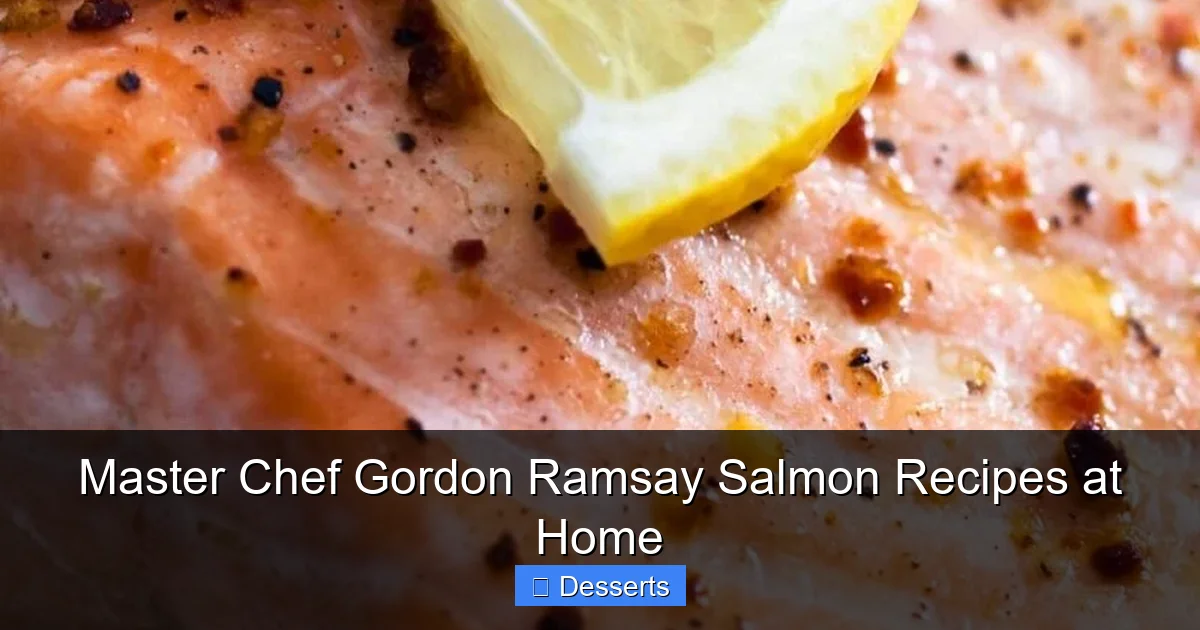
Dive into the world of Master Chef Gordon Ramsay salmon recipes and learn to cook this delicious fish with confidence and flair. This comprehensive guide breaks down Ramsay’s techniques, from selecting the freshest fillets to achieving that coveted crispy skin and succulent interior, ensuring you create restaurant-quality dishes right in your own kitchen. You’ll master essential skills, discover signature sauces, and elevate your home cooking with Gordon’s precision.
Have you ever watched Gordon Ramsay on TV, flawlessly searing a piece of salmon, achieving that impossibly crispy skin and perfectly tender flesh, and thought, “I wish I could do that at home”? Well, get ready to turn that wish into a delicious reality! Gordon Ramsay, renowned for his Michelin-starred restaurants, fiery passion, and incredibly precise cooking, has a special touch when it comes to fish, especially salmon. He believes in respecting the ingredients and elevating them through simple, effective techniques.
Cooking salmon the Gordon Ramsay way isn’t just about following a recipe; it’s about understanding the principles behind exceptional cooking. It’s about confidence, attention to detail, and a commitment to flavor. Forget dry, overcooked fish; we’re talking about succulent, flaky, perfectly seasoned salmon that will impress anyone at your dinner table. This guide will walk you through the secrets to mastering chef Gordon Ramsay salmon recipes, bringing a touch of gourmet excellence to your everyday meals. Prepare to transform your kitchen into a haven for culinary perfection!
Key Takeaways
- Quality Ingredients First: Gordon Ramsay emphasizes that the success of any salmon dish starts with selecting the freshest, highest-quality salmon fillets, preferably skin-on.
- Master the Pan-Sear: His signature technique involves searing salmon skin-side down in a hot pan to achieve perfectly crispy skin and a tender, flaky interior.
- Precision in Cooking: Timing is crucial; understanding when to flip and when the salmon is perfectly cooked (around 125-130°F internal temperature) prevents overcooking.
- Seasoning is Key: Simple yet effective seasoning with salt, pepper, and sometimes a hint of fresh herbs is vital to enhance the natural flavor of the salmon.
- Flavourful Accompaniments: Learn to create simple yet elegant sauces like a lemon-butter sauce or herb dressing, and pair your salmon with complementary sides like blanched asparagus or creamy mashed potatoes.
- Confidence in the Kitchen: The core of Ramsay’s approach is to cook with confidence, trust your instincts, and not be afraid to experiment, even when following his chef Gordon Ramsay salmon recipes.
- Simplicity for Impact: Despite his high standards, many chef Gordon Ramsay salmon recipes are surprisingly straightforward, focusing on bringing out the best in the ingredients without overcomplicating the process.
Quick Answers to Common Questions
What kind of pan is best for pan-searing salmon like Gordon Ramsay?
A heavy-bottomed stainless steel or cast-iron skillet is best as it retains and distributes heat evenly, which is crucial for a perfect sear.
How do I prevent salmon skin from sticking to the pan?
Ensure the salmon skin is patted very dry, the pan is hot enough, and you’re using a sufficient amount of oil before placing the fish in the pan. Don’t move the fish for the first few minutes.
What is the ideal internal temperature for Gordon Ramsay-style salmon?
Gordon often aims for medium-rare to medium, which is typically an internal temperature of 125-130°F (52-54°C) when measured at the thickest part.
Can I use skinless salmon for these recipes?
While Ramsay highly recommends skin-on for the crispy texture, you can use skinless salmon. Just be more gentle as it’s more prone to breaking and ensure you don’t overcook it.
What’s a quick way to tell if salmon is cooked without a thermometer?
When cooked, salmon should flake easily with a fork in its thickest part, and the flesh should be opaque throughout, though often still slightly translucent in the very center if aiming for medium.
📑 Table of Contents
- The Foundation: Understanding Gordon Ramsay’s Approach to Salmon
- Mastering the Perfect Pan-Seared Salmon
- Beyond the Pan: Other Gordon Ramsay Salmon Inspirations
- Signature Sauces and Sides to Elevate Your Salmon
- Common Pitfalls and How to Avoid Them
- Gordon Ramsay’s Philosophy in Your Kitchen: More Than Just a Recipe
The Foundation: Understanding Gordon Ramsay’s Approach to Salmon
Gordon Ramsay’s philosophy on cooking, especially when it comes to delicate proteins like salmon, is rooted in a few core principles: quality ingredients, simplicity, and precision. He often says, “keep it simple, stupid,” and this rings true for his fish dishes. He doesn’t believe in masking the natural flavor of excellent salmon with excessive ingredients. Instead, he focuses on techniques that allow the salmon to shine.
Ingredient Selection: The Star of the Show
The journey to a perfect Gordon Ramsay salmon dish begins long before you even turn on the stove. It starts at the fish counter.
- Freshness is Paramount: Look for salmon with bright, clear eyes (if buying whole), firm flesh that springs back when gently pressed, and a fresh, oceanic smell – not fishy.
- Skin-On is Best: Gordon Ramsay almost always recommends keeping the skin on for pan-searing. The skin acts as a protective layer, helping the fish retain moisture, and when cooked properly, it becomes incredibly crispy and delicious. It adds texture and flavor that you’d miss otherwise.
- Fillet Thickness: Opt for fillets that are relatively uniform in thickness if possible, as this ensures even cooking. If you have a thicker piece, you might need to adjust cooking times slightly.
- Wild vs. Farmed: While wild salmon often has a more intense flavor and leaner texture, farmed salmon is widely available and often provides a good, consistent fat content, making it forgiving to cook. Choose what’s accessible and fits your budget, but always prioritize freshness.
Essential Tools for Success
You don’t need a professional kitchen setup to execute chef Gordon Ramsay salmon recipes. However, having a few key tools will make the process much smoother:
- Heavy-Bottomed Pan: A good quality stainless steel or cast-iron skillet is crucial for achieving that perfect, even sear. It retains heat well and distributes it uniformly.
- Fish Spatula: This thin, flexible spatula is a game-changer for flipping delicate fish without breaking it. It slides easily under the fillet.
- Tongs: Useful for precise handling and flipping.
- Kitchen Thermometer: While Ramsay often cooks by feel, a good instant-read thermometer (like a Thermapen) is invaluable for beginners to ensure the salmon is cooked to perfection without overdoing it. Aim for 125-130°F (52-54°C) for medium-rare to medium.
- Paper Towels: Absolutely essential for patting the salmon dry before seasoning. Moisture is the enemy of crispy skin!
Mastering the Perfect Pan-Seared Salmon
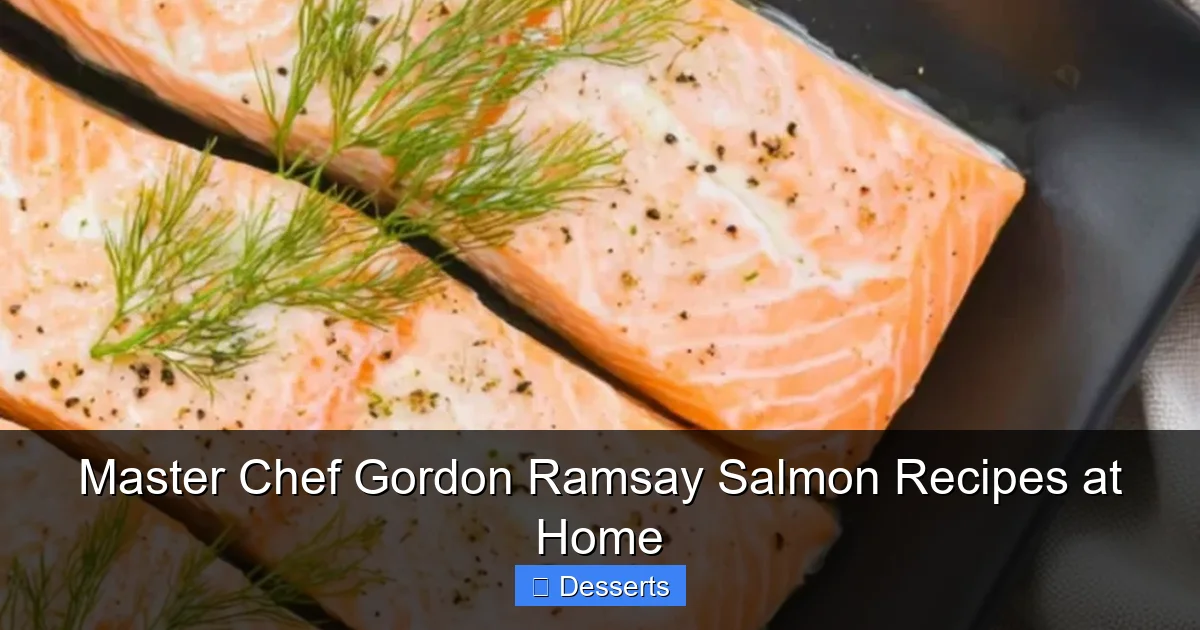
Visual guide about Master Chef Gordon Ramsay Salmon Recipes at Home
Image source: cheframsayrecipes.com
This is arguably the most famous of all chef Gordon Ramsay salmon recipes, and for good reason. It’s relatively simple but demands precision. The goal is a beautifully golden, crispy skin and a moist, flaky interior.
Preparing Your Salmon Fillets
Before you even think about heat, proper preparation is key:
- Pat Dry, Dry, Dry: This cannot be stressed enough. Use paper towels to thoroughly pat your salmon fillets dry on all sides, especially the skin. Any moisture will steam the fish instead of searing it, preventing crispy skin.
- Scoring the Skin (Optional but Recommended): For thicker fillets, Gordon sometimes scores the skin (making 2-3 shallow cuts) before cooking. This helps prevent the skin from curling, allows fat to render more efficiently, and ensures even cooking. Be careful not to cut too deep into the flesh.
- Generous Seasoning: Season both sides of the salmon generously with good quality sea salt and freshly ground black pepper. Ramsay isn’t shy with seasoning, and neither should you be.
The Art of the Crispy Skin
This is where the magic happens and what truly sets chef Gordon Ramsay salmon recipes apart for many home cooks.
- Heat the Pan: Place your heavy-bottomed pan over medium-high heat. Allow it to get hot, but not smoking.
- Add Oil: Once hot, add a tablespoon or two of a high smoke point oil, like grapeseed or vegetable oil. Swirl to coat the bottom of the pan.
- Skin-Side Down: Carefully place the salmon fillets, skin-side down, into the hot pan. Press down gently but firmly on each fillet with your fish spatula for the first 30 seconds. This ensures maximum contact with the hot pan and prevents curling, giving you an even crisp.
- Cook on Skin Side: Let the salmon cook undisturbed for about 80-90% of the total cooking time. For a typical 1-inch thick fillet, this could be 4-6 minutes. You’ll see the color of the salmon change, creeping up the sides of the fillet. This allows the fat under the skin to render and the skin to become beautifully crisp.
- Add Aromatics (Optional): During the last minute or two of cooking on the skin side, you can add a knob of butter, a few sprigs of fresh thyme or rosemary, and a crushed garlic clove to the pan. Baste the flesh of the salmon with the melting butter using a spoon. This infuses incredible flavor.
Finishing Touches and Internal Temperature
- Flip and Finish: Once the skin is golden brown and very crispy, and the salmon is mostly cooked through (it should be translucent around the edges and opaque about two-thirds of the way up), carefully flip the fillets.
- Brief Cook on Flesh Side: Cook on the flesh side for just 1-2 minutes, or until the salmon reaches your desired doneness. This could be 125°F (52°C) for medium-rare or up to 145°F (63°C) for well-done (though Ramsay often prefers it closer to medium). Use your instant-read thermometer for precision, inserting it into the thickest part of the fillet.
- Rest: Transfer the cooked salmon to a plate and let it rest for a minute or two. This allows the juices to redistribute, resulting in a more tender and moist fish.
Beyond the Pan: Other Gordon Ramsay Salmon Inspirations
While pan-searing is a staple, chef Gordon Ramsay salmon recipes extend to other elegant and flavorful preparations perfect for home cooking.
Roasted Salmon with Mediterranean Flavors
Roasting is a fantastic, hands-off method that yields incredibly tender salmon. Ramsay often combines simple flavors that complement the fish beautifully.
- Preparation: Preheat your oven to 400°F (200°C). Line a baking sheet with parchment paper. Season your salmon fillets generously with salt, pepper, a drizzle of olive oil, and perhaps a squeeze of lemon juice.
- Flavor Boosters: Surround the salmon with cherry tomatoes, Kalamata olives, thin slices of red onion, fresh oregano, and a little more olive oil. These ingredients roast alongside the fish, creating a delicious sauce.
- Roasting Time: Roast for 12-18 minutes, depending on the thickness of your fillets, or until the salmon is cooked through and flakes easily with a fork.
Simple Baked Salmon: Elegant and Effortless
This method is perfect for a weeknight meal when you want minimal fuss but maximum flavor.
- En Papillote (in parchment paper): This technique steams the salmon in its own juices, keeping it incredibly moist. Place a salmon fillet on a large piece of parchment paper. Add thin slices of lemon, a few sprigs of dill or parsley, a pat of butter, and a splash of white wine or vegetable broth. Season with salt and pepper. Fold the parchment paper to create a sealed packet.
- Bake: Bake at 400°F (200°C) for 12-15 minutes, or until the packet is puffed and the salmon is cooked. The aroma when you open the packet is incredible!
Signature Sauces and Sides to Elevate Your Salmon
A Gordon Ramsay dish is never just the main component; it’s a symphony of flavors and textures. Pairing your perfectly cooked salmon with the right sauce and sides is crucial.
Classic Lemon-Butter Sauce
This simple, elegant sauce is a go-to for many chef Gordon Ramsay salmon recipes.
- Ingredients: 1/2 cup dry white wine or chicken/vegetable stock, 1/4 cup heavy cream, 4 tablespoons unsalted butter (cold, cut into cubes), juice of 1/2 lemon, fresh chives or parsley (minced), salt and pepper to taste.
- Method: In a small saucepan, bring the wine/stock to a simmer and reduce by half. Add the cream and simmer for a minute. Remove from heat and whisk in the cold butter, one cube at a time, until emulsified and glossy. Stir in lemon juice and herbs. Season to taste.
Fresh Herb and Caper Dressing
For a lighter, fresher accompaniment, a vibrant herb dressing is perfect.
- Ingredients: 1/4 cup extra virgin olive oil, 2 tablespoons lemon juice, 1 tablespoon capers (drained and roughly chopped), 2 tablespoons chopped fresh parsley, 1 tablespoon chopped fresh dill, 1 teaspoon Dijon mustard, salt and pepper.
- Method: Whisk all ingredients together in a small bowl until well combined. Drizzle over the cooked salmon just before serving.
Complementary Side Dishes
Ramsay’s sides are often simple, allowing the salmon to remain the star.
- Blanched Asparagus: A classic pairing. Quickly blanch asparagus spears in salted boiling water until vibrant green and tender-crisp, then toss with a little butter or olive oil.
- Creamy Mashed Potatoes: Gordon Ramsay’s mashed potatoes are legendary – rich with butter and cream, they offer a comforting contrast to the crisp salmon.
- Sautéed Spinach: A quick and healthy side. Sauté fresh spinach with garlic in olive oil until just wilted.
- Simple Green Salad: A fresh salad with a light vinaigrette can also be a perfect accompaniment, especially with lighter chef Gordon Ramsay salmon recipes.
Common Pitfalls and How to Avoid Them
Even with the best intentions, cooking salmon can present challenges. Learning from potential mistakes is part of mastering chef Gordon Ramsay salmon recipes.
Overcooking: The Salmon Slayer
This is the most common mistake and the quickest way to ruin a beautiful piece of salmon. Overcooked salmon becomes dry, tough, and chalky.
- Solution: Use a meat thermometer! This is your best friend. As mentioned, aim for 125-130°F (52-54°C) for medium-rare to medium, knowing it will continue to cook slightly off the heat. Also, remember the visual cues: the salmon should be mostly opaque but still slightly translucent in the very center.
- Don’t Forget to Rest: Resting the salmon allows residual heat to finish cooking it gently and allows juices to redistribute, leading to a more tender result.
Uneven Cooking and How to Fix It
Sometimes one part of the fillet cooks faster than another, especially with irregular shapes.
- Solution: As mentioned earlier, pressing the salmon down gently with a spatula during the initial searing helps ensure even contact with the pan. If you have a particularly thin tail end, you can tuck it under slightly or even trim it off to cook separately (or save for another dish). For thicker fillets, scoring the skin can help.
- Adjust Heat: If your pan is too hot in one spot, the cooking will be uneven. Ensure your pan heats evenly across the surface.
Achieving the Perfect Seasoning Balance
Under-seasoning leads to bland fish, while over-seasoning can mask its delicate flavor.
- Solution: Be generous with good quality sea salt and freshly ground black pepper. Ramsay isn’t shy with seasoning. Taste your sauces and adjust as needed. Remember that the salmon itself needs to be seasoned properly before cooking. A squeeze of lemon juice at the end also brightens flavors without adding extra salt.
Gordon Ramsay’s Philosophy in Your Kitchen: More Than Just a Recipe
When you embark on chef Gordon Ramsay salmon recipes, you’re not just following steps; you’re adopting a mindset. His approach is all about respect for ingredients, attention to detail, and cooking with confidence. It’s about understanding *why* you do certain things – why you pat the fish dry, why you sear skin-side down, why resting is important.
Embrace the learning process. Your first attempt might not be picture-perfect, but each time you try, you’ll gain a deeper understanding of the nuances. Pay attention to the sizzle in the pan, the aroma filling your kitchen, and the changing texture of the fish. These sensory cues are what truly make you a better cook, just as they guide a master like Gordon Ramsay.
Ultimately, cooking chef Gordon Ramsay salmon recipes at home is about bringing joy and satisfaction to your kitchen. It’s about creating dishes that taste incredible and make you proud. So, grab your apron, select the freshest salmon you can find, and get ready to cook with passion and precision. You might just surprise yourself with the restaurant-quality results you can achieve!
🎥 Related Video: Gordon Ramsay's Flavorful Salmon And Sides: Extended Version | Season 1 Ep. 1 | THE F WORD
📺 The F Word
Gordon Ramsay shows the secrets behind cooking the perfect flavorful salmon. Subscribe now for more The F Word clips: …
Frequently Asked Questions
How does Gordon Ramsay get the salmon skin so crispy?
Gordon Ramsay achieves crispy salmon skin by starting with thoroughly dried, skin-on fillets placed skin-side down in a very hot pan with a high smoke point oil. He applies gentle pressure initially to ensure full contact and cooks it mostly on the skin side, allowing the fat to render and the skin to crisp up beautifully.
What are Gordon Ramsay’s go-to seasonings for salmon?
For most of his chef Gordon Ramsay salmon recipes, he keeps the seasoning simple yet effective. He primarily uses generous amounts of good quality sea salt and freshly ground black pepper. Sometimes, he’ll add fresh herbs like dill or thyme, a squeeze of lemon juice, or a pat of butter during the cooking process to enhance flavor.
Is it necessary to rest salmon after cooking?
Yes, it is highly recommended to rest salmon for a minute or two after cooking. This allows the internal temperature to equalize and the juices within the fish to redistribute, resulting in a more tender, moist, and flavorful fillet.
Can I prepare Gordon Ramsay salmon recipes ahead of time?
While you can prep ingredients like sauces and side dishes in advance, salmon is best cooked and served fresh. Cooked salmon tends to dry out and lose its delicate texture when reheated, so for optimal results, cook it just before serving.
What are some common mistakes to avoid when cooking salmon like Gordon Ramsay?
The most common mistakes include not patting the salmon dry enough, using a pan that’s not hot enough, and most crucially, overcooking the fish, which leads to a dry, tough texture. Lack of proper seasoning is also a pitfall.
What sides does Gordon Ramsay typically serve with salmon?
Gordon Ramsay often pairs his salmon with simple, elegant sides that complement rather than overpower the fish. Popular choices include blanched asparagus, creamy mashed potatoes, sautéed spinach with garlic, or a fresh green salad with a light vinaigrette.
geminichef.com is a participant in the Amazon Services LLC Associates Program, an affiliate advertising program. As an Amazon Associate, we earn from qualifying purchases made through our links.