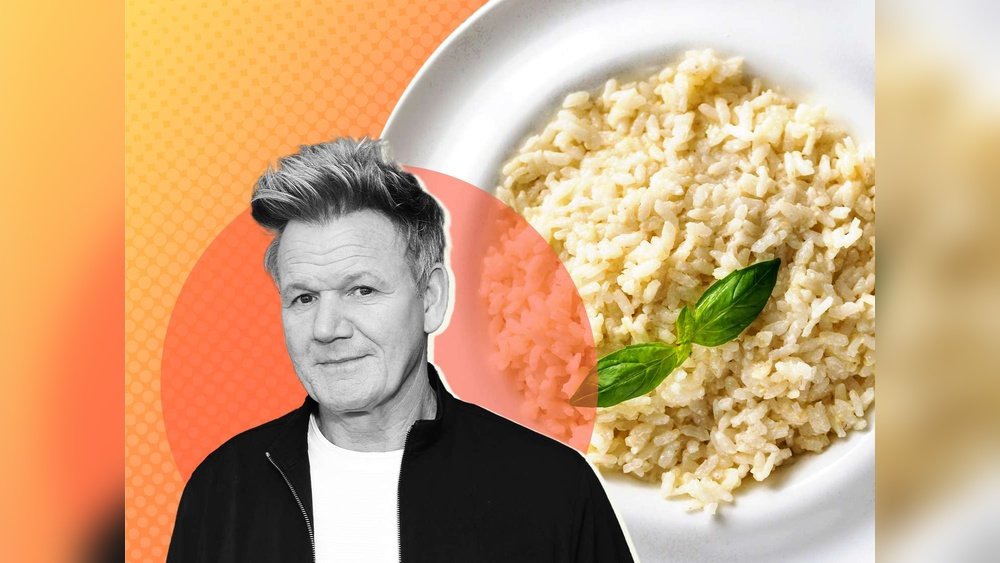
If you’ve ever wanted to master the art of making risotto, Chef Gordon Ramsay’s risotto recipe is the perfect place to start. This dish is all about patience, technique, and the right ingredients coming together to create a rich, creamy texture that melts in your mouth.
Whether you’re cooking for yourself or impressing guests in Austin, Texas, this recipe will guide you step-by-step to achieve restaurant-quality results right in your kitchen. Ready to discover the secrets behind Gordon Ramsay’s famous risotto and elevate your cooking skills?
Keep reading, because this recipe will transform how you think about risotto forever.
Ingredients For Ramsay’s Risotto
Creating Chef Gordon Ramsay’s risotto starts with choosing the right ingredients. Each component plays a key role in building the rich, creamy texture and deep flavors. Using fresh, high-quality ingredients makes the dish stand out and taste authentic.
This section breaks down the essential ingredients for Ramsay’s risotto. From the perfect rice to flavorful stock and key additions, learn what you need to prepare this classic dish.
Selecting The Rice
Ramsay uses short-grain rice like Arborio or Carnaroli. These varieties release natural starch, which creates a creamy texture. Avoid long-grain rice as it lacks the needed starch and will not become creamy.
Choose rice that is fresh and dry. This helps absorb liquid evenly and cook perfectly.
Choosing Fresh Stock
Stock adds depth and richness to the risotto. Use homemade chicken, vegetable, or fish stock for the best flavor. Fresh stock improves taste and avoids artificial flavors.
Keep the stock hot while cooking. Adding cold stock slows down the cooking process and affects texture.
Essential Flavor Additions
Onions or shallots are sautéed first to create a flavor base. Garlic adds a subtle aroma but should be used sparingly. Parmesan cheese is key for creaminess and adds savory notes.
Butter enriches the dish at the end, giving a silky finish. Fresh herbs like parsley or thyme can add a fresh touch. Use salt and pepper to balance flavors carefully.

Credit: www.youtube.com
Prepping The Base
Prepping the base sets the stage for a rich, creamy risotto. This step builds layers of flavor that define the dish. Careful preparation here makes all the difference.
The base usually starts with aromatics and rice. Each ingredient needs proper handling to bring out the best taste. Follow these simple steps for an excellent start.
Chopping Aromatics
Start by finely chopping onions or shallots. Keep pieces small to ensure even cooking. Garlic can be added for extra aroma but use sparingly. Fresh herbs like thyme add depth if you prefer.
Use a sharp knife for clean cuts. This releases more flavor and cooks faster. Avoid browning the aromatics; sweat them gently in butter or oil. This softens their bite and builds sweetness in the dish.
Toasting The Rice
Next, add Arborio or Carnaroli rice to the aromatics. Stir constantly over medium heat. Toasting the rice coats each grain with fat.
This step helps the rice absorb liquids evenly. It also adds a subtle nutty flavor. The grains should look translucent around the edges but still white inside. This means they are ready for the broth.
Cooking The Risotto
Cooking risotto requires patience and attention. The process transforms simple ingredients into a creamy, rich dish. Each step affects the texture and flavor. Following Chef Gordon Ramsay’s method ensures perfect results every time.
Maintaining Stock Temperature
Keep the stock hot throughout cooking. Cold stock cools the rice and slows cooking. Heat the broth in a separate pot on low. Add hot broth to the rice for even cooking. This helps the rice release its natural starch.
Adding Broth Gradually
Pour the broth in small amounts. Wait until the rice absorbs the liquid before adding more. This slow process allows the rice to cook evenly. It also builds the creamy texture risotto is known for. Patience here is key to avoid a mushy dish.
Stirring Techniques
Stir gently and often with a wooden spoon. This prevents the rice from sticking to the pan. Stirring releases starch, which makes the risotto creamy. Avoid stirring too hard or too fast. Keep the motion slow and steady for the best results.
:max_bytes(150000):strip_icc()/ar-ramsay-gordon-risotto-2x1-a7c675d697d54fedb796aa0801c79d24.jpg)
Credit: www.allrecipes.com
Finishing Touches
The finishing touches bring Gordon Ramsay’s risotto to life. This final stage creates its creamy texture and rich flavor. A few simple steps turn perfectly cooked rice into a silky dish. Attention here ensures every bite is smooth and full of taste.
Mantecato Method
The mantecato method is key to creamy risotto. It means stirring cold butter into the hot rice off the heat. This step blends fat into the starches released during cooking. The result is a smooth, velvety texture that coats each grain beautifully.
Incorporating Butter And Cheese
Adding butter and cheese enriches the flavor and texture. Use cold, unsalted butter and freshly grated Parmesan cheese. Stir them gently into the risotto until melted and well combined. This adds a luscious creaminess and a slight tang from the cheese.
Adjusting Consistency
Risotto should be creamy but not runny or dry. Adjust the consistency by adding a splash of warm broth if needed. Stir slowly to blend the liquid without breaking the grains. The perfect risotto holds its shape but flows slowly on the plate.
Variations On Ramsay’s Risotto
Gordon Ramsay’s risotto recipe offers a solid base for many tasty variations. Each version highlights different flavors but keeps the classic creamy texture. These adaptations bring new life to a traditional dish. They suit many tastes and occasions.
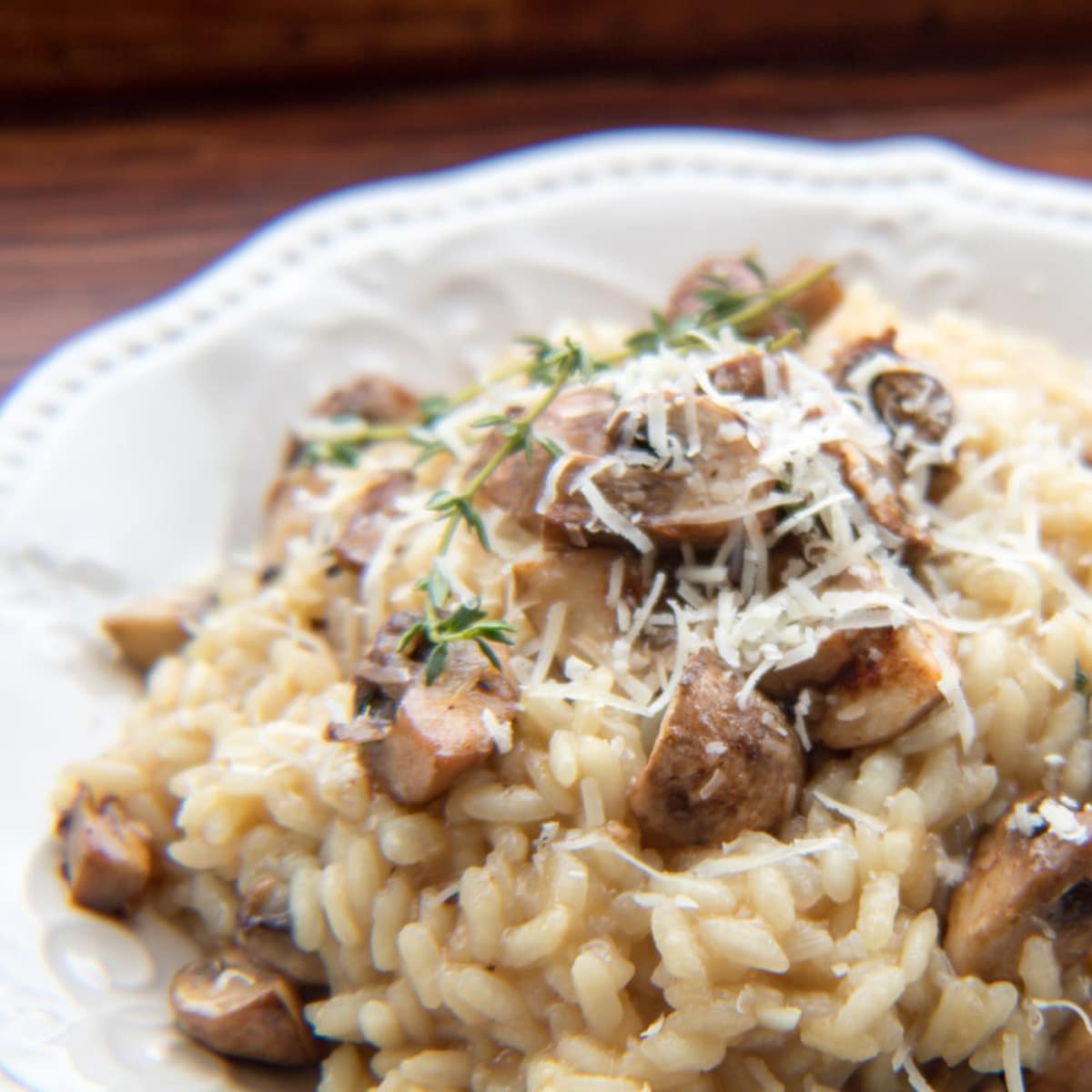
Mushroom Risotto
Mushroom risotto adds rich, earthy flavors to the classic dish. Use a mix of wild mushrooms for depth. Sauté mushrooms in butter and garlic before stirring them into the risotto. Finish with fresh parsley and a sprinkle of Parmesan cheese. This version pairs well with grilled meats or a simple salad.
Lobster Risotto
Lobster risotto offers a luxurious twist with tender lobster meat. Cook lobster tails separately and add them near the end. Use seafood stock instead of vegetable or chicken broth for extra flavor. Add a touch of lemon zest to brighten the dish. This risotto is perfect for special dinners or celebrations.
Pumpkin Risotto
Pumpkin risotto brings a sweet and creamy autumn flavor. Puree cooked pumpkin and stir it gently into the risotto. Add sage leaves and a pinch of nutmeg for warmth. Top with toasted pumpkin seeds for crunch. This variation suits cozy meals on chilly days.
Credit: bakeitwithlove.com
Common Mistakes To Avoid
Making Chef Gordon Ramsay’s risotto is rewarding but tricky. Many cooks make simple mistakes that affect texture and flavor. Avoiding these errors keeps the risotto creamy and rich.
Pay attention to small details. Each step matters in creating the perfect dish. Here are common mistakes to watch out for.
Over-stirring
Stirring risotto too much breaks the rice grains. This releases too much starch and makes the dish gluey. Stir gently and only enough to keep the rice cooking evenly. Let the rice sit briefly between stirs to absorb the liquid properly.
Using Cold Stock
Cold stock slows cooking and cools the rice. Warm stock helps the rice cook evenly and release starch naturally. Keep your stock hot on low heat while adding it to the rice. This improves texture and speeds up cooking.
Rinsing The Rice
Rinsing rice washes away surface starch needed for creaminess. Use dry, uncooked Arborio or Carnaroli rice straight from the package. Do not rinse or soak it. The starch helps create risotto’s signature smooth and velvety texture.
Tips For Creamy Texture
Achieving a creamy texture is the heart of Chef Gordon Ramsay’s risotto recipe. Creaminess comes from a combination of the right rice, careful liquid management, and the right stirring technique. Each step helps release the starch naturally found in the rice. This starch binds the dish, making it smooth and rich.
Choosing The Right Rice
Use short-grain rice like Arborio or Carnaroli. These varieties have more starch, essential for creaminess. Avoid long-grain rice; it does not release enough starch. Do not rinse the rice before cooking. Washing the rice removes starch and reduces creaminess.
Controlling Liquid Addition
Add warm broth in small amounts. Pour just enough to cover the rice each time. Wait until the liquid is mostly absorbed before adding more. This slow process allows the rice to release starch gradually. Using cold liquid can stop the cooking and affect texture.
Perfect Stirring Rhythm
Stir often but gently. Keep the rice moving to prevent sticking. Stirring helps release starch and create a smooth sauce. Avoid vigorous stirring that breaks the grains. Find a steady, calm rhythm for best results.
Frequently Asked Questions
How Does Gordon Ramsay Make His Risotto?
Gordon Ramsay makes risotto by toasting Arborio rice, gradually adding hot stock, stirring frequently, and finishing with cold butter and Parmesan off heat.
What Makes Gordon Ramsay’s Risotto Special?
Gordon Ramsay’s risotto stands out due to precise technique, using hot stock, steady stirring, and finishing with cold butter for creamy texture.
What Is Gordon Ramsay’s Most Famous Recipe?
Gordon Ramsay’s most famous recipe is Beef Wellington. He perfects this classic dish with tender beef and a crispy pastry crust.
What Is The Trick To Creamy Risotto?
Use starchy short-grain rice like Arborio. Add hot broth gradually while stirring gently. Finish by stirring in cold butter and Parmesan off the heat for extra creaminess.
Conclusion
Chef Gordon Ramsay’s risotto recipe shows how simple ingredients create rich flavors. Follow his tips on stirring and stock temperature for creamy texture. Using the right rice and finishing with butter and Parmesan makes all the difference. Practice patience and enjoy the process—it turns cooking into a rewarding experience.
This classic dish brings comfort and elegance to your table. Try it today and taste the difference in every bite.
geminichef.com is a participant in the Amazon Services LLC Associates Program, an affiliate advertising program. As an Amazon Associate, we earn from qualifying purchases made through our links.