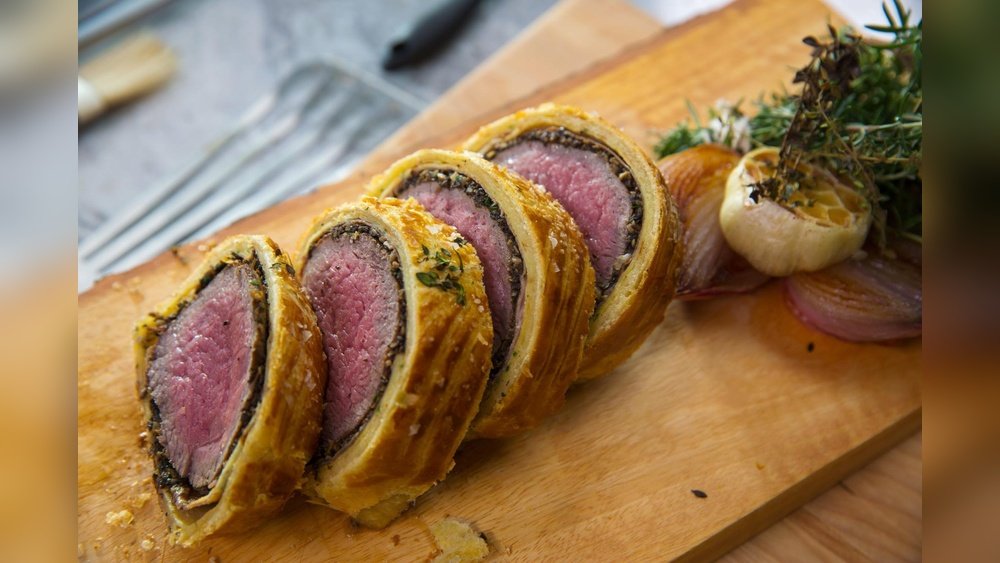
If you’ve ever dreamed of creating a show-stopping meal that leaves your guests speechless, Chef Ramsay’s Beef Wellington recipe is your golden ticket. This dish combines tender beef, rich mushrooms, and flaky pastry into a perfect harmony of flavors that feels like a special occasion on every plate.
You might think it’s complicated, but with the right guidance, you can master this classic at home and impress everyone at your table. Ready to take your cooking skills to the next level? Let’s dive into Chef Ramsay’s step-by-step Beef Wellington recipe that will make your next dinner unforgettable.
Ingredients
The ingredients of Chef Ramsay’s Beef Wellington create a rich and flavorful dish. Each component brings texture and taste that blend perfectly. Understanding these ingredients helps make the recipe easier and more enjoyable to prepare.
Beef Selection
Choose a center-cut beef tenderloin or fillet. It should be fresh and trimmed of fat. This cut is tender and cooks evenly inside the pastry. Aim for a piece about 2 pounds for best results.
Duxelles Preparation
Duxelles is a finely chopped mushroom mixture. Use fresh mushrooms like cremini or button mushrooms. Sauté them with shallots, garlic, and thyme until dry. This mixture adds deep, earthy flavor to the Wellington.
Pâté And Parma Ham
Pâté adds a creamy, rich layer to the dish. Choose a smooth liver pâté or mushroom pâté. Parma ham wraps around the beef and duxelles, keeping moisture in. It also adds a salty, savory taste.
Puff Pastry
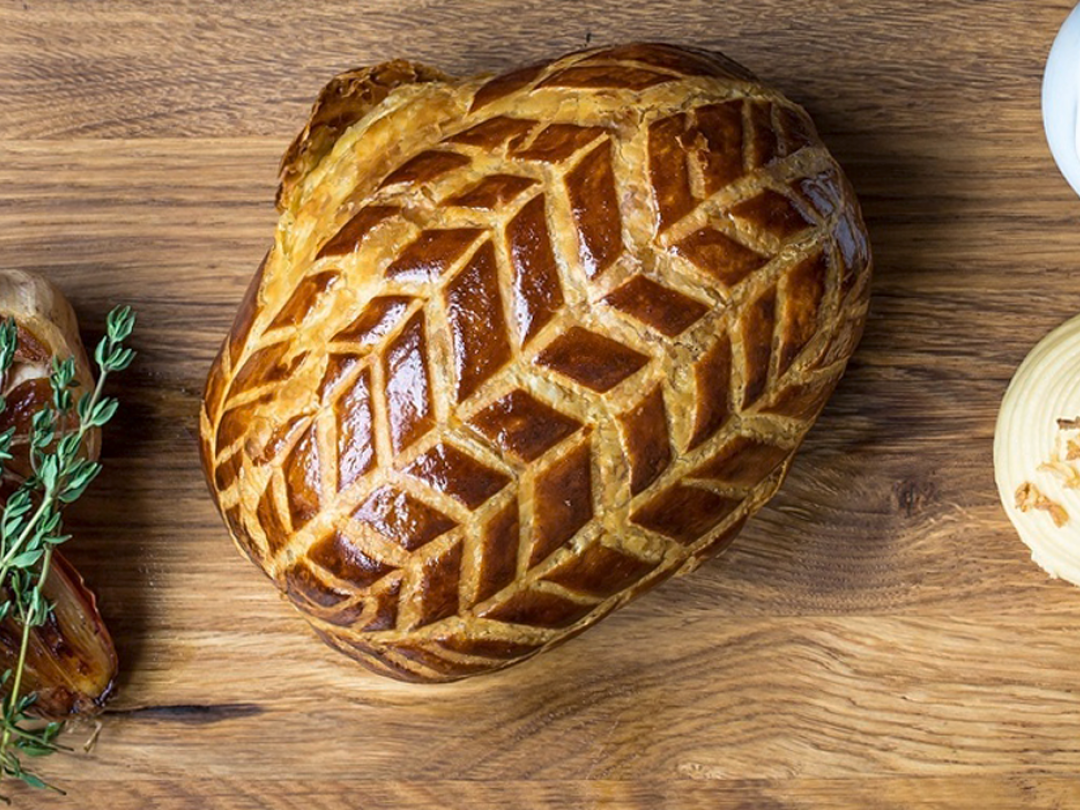
Use high-quality puff pastry for a golden, flaky crust. It should be thawed but still cold before wrapping. The pastry seals in all flavors and gives the Wellington its classic look. Brush with egg wash for a shiny finish.
Credit: www.food.com
Preparing The Beef
Preparing the beef is a key step in Chef Ramsay’s Beef Wellington recipe. The beef tenderloin must be ready for the layers of flavor and the final cooking process.
Handling the beef correctly ensures a juicy, tender center. Each step adds to the dish’s rich texture and taste. Follow these simple but important tasks carefully.
Trimming And Tying
Start by trimming the beef tenderloin. Remove excess fat and silver skin for even cooking. This helps the beef cook uniformly and improves texture.
Next, tie the tenderloin with kitchen twine. This keeps its shape during cooking. A neat shape helps the beef cook evenly and look perfect when sliced.
Searing The Tenderloin
Heat a pan until very hot. Add oil and sear the beef on all sides. Searing locks in juices and creates a rich brown crust.
Work quickly but carefully. Avoid overcooking the beef now. The goal is a golden crust, not to cook the inside fully.
Making The Duxelles
Making the duxelles is a crucial step in Chef Ramsay’s Beef Wellington recipe. This finely chopped mushroom mixture adds deep flavor and moisture to the dish. It also prevents the pastry from getting soggy by absorbing excess juices. Preparing the duxelles requires attention to detail and proper technique to achieve the perfect texture and taste.
Mushroom Chopping
Start by selecting fresh mushrooms, ideally button or cremini. Clean them gently with a damp cloth. Avoid washing under water to keep them dry. Chop the mushrooms finely using a sharp knife or food processor. The pieces should be small but not mushy. Uniform chopping ensures even cooking and a smooth texture in the duxelles.
Cooking Techniques
Heat a dry pan over medium heat before adding the chopped mushrooms. This step helps to release moisture quickly. Cook the mushrooms without oil at first, stirring often to evaporate water. Once dry, add a small amount of butter or oil. Continue cooking until the mixture becomes paste-like and golden brown. Season lightly with salt and pepper. Let the duxelles cool completely before using it in the Beef Wellington.
Credit: www.gordonramsayrestaurants.com
Assembling The Wellington
Assembling the Beef Wellington is a key step that brings all flavors together. This stage requires attention and care to ensure a perfect finish. Each layer plays a vital role in taste and texture. Follow the steps to build the Wellington with precision.
The process starts with spreading pâté and duxelles on the beef. Then, wrapping with Parma ham adds a savory touch. Finally, the whole creation gets enclosed in puff pastry. This method locks in juices and flavors beautifully.
Layering Pâté And Duxelles
Begin by spreading a smooth layer of pâté over the seared beef. This adds richness and moisture. Next, cover the pâté with duxelles, a finely chopped mushroom mixture. The duxelles should be cooked until dry to avoid sogginess. These layers keep the beef tender and full of flavor.
Wrapping With Parma Ham
Lay slices of Parma ham on a sheet of cling film, slightly overlapping. Place the beef with pâté and duxelles on top. Use the cling film to roll the ham tightly around the beef. This step seals in the flavors and prevents the pastry from getting soggy.
Enclosing In Puff Pastry
Roll out the puff pastry into a large rectangle. Place the wrapped beef in the center. Fold the pastry over the beef, sealing all edges well. Use beaten egg to glue the pastry and create a golden crust. Chill the wrapped Wellington before baking to keep its shape.
Cooking Process
The cooking process of Chef Ramsay’s Beef Wellington is key to its perfect taste and texture. Each step needs care and attention to ensure the dish turns out well.
Following the right techniques helps keep the beef tender and the pastry crisp. The timing and temperature control are vital for success.
Chilling Before Baking
Chilling the wrapped beef is important before baking. It helps the pastry firm up and hold its shape better. Place the beef Wellington in the fridge for at least 30 minutes. This step prevents the pastry from shrinking during baking. It also allows the flavors to blend nicely.
Baking Time And Temperature
Preheat the oven to 400°F (200°C) for even cooking. Bake the Wellington on a middle rack for about 35 to 40 minutes. This temperature cooks the beef perfectly while crisping the pastry. Avoid opening the oven door too often. It keeps the heat steady and helps the pastry rise properly.
Checking Doneness
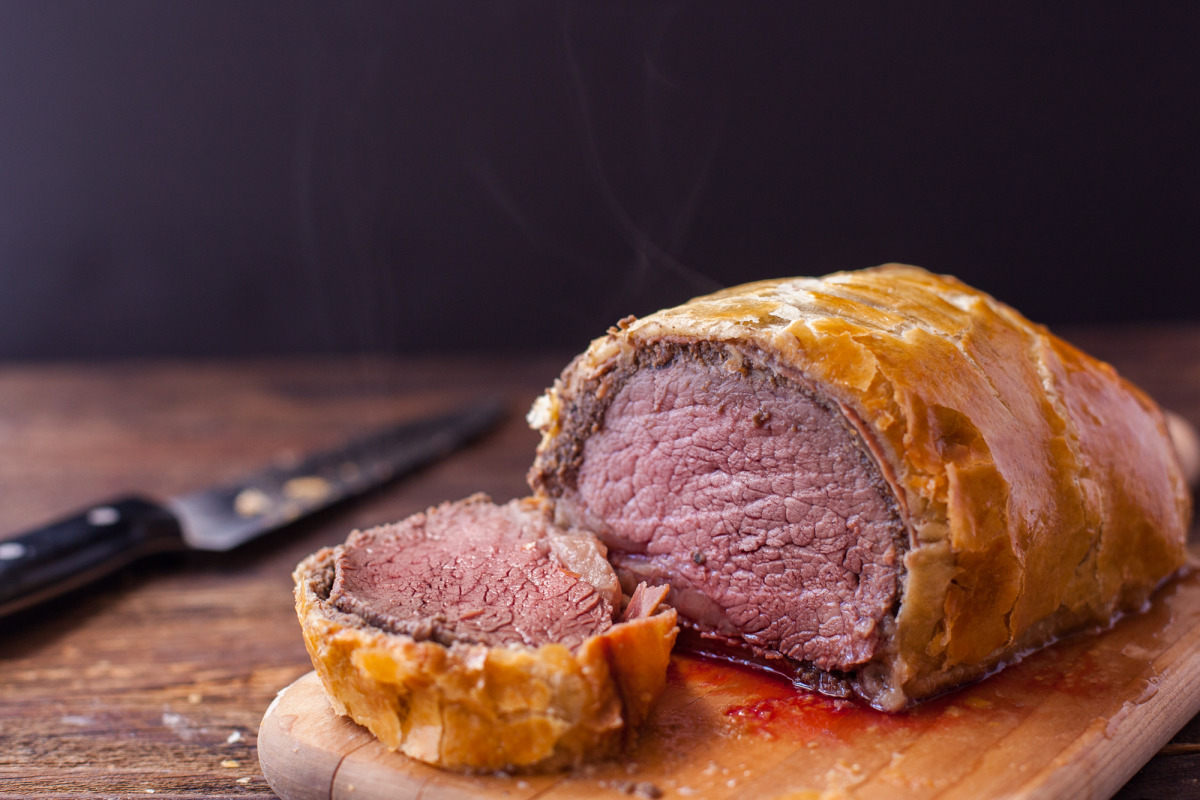
Use a meat thermometer to check the beef’s doneness. Aim for an internal temperature of 125°F to 130°F for medium-rare. Remove the Wellington from the oven once it reaches this temperature. Let it rest for 10 minutes before slicing. Resting allows the juices to redistribute, making the beef juicy and tender.
Serving Suggestions
Serving Chef Ramsay’s Beef Wellington calls for thoughtful pairings. The right sauces and side dishes enhance the rich flavors of this classic dish. These suggestions add balance and make the meal unforgettable.
Sauce Pairings
Classic red wine sauce complements the beef perfectly. Its deep, rich taste enhances the tender meat and puff pastry. Mushroom sauce with cream adds earthiness and smooth texture. A simple jus made from beef stock brings out natural flavors. Horseradish cream offers a sharp contrast and a bit of heat. These sauces create a delightful flavor harmony on your plate.
Side Dishes
Roasted vegetables like carrots, parsnips, and Brussels sprouts add color and sweetness. Creamy mashed potatoes or buttery duchess potatoes provide a comforting base. A fresh green salad with a light vinaigrette cuts through the richness. Steamed asparagus or green beans add crunch and freshness. These sides complete the meal and offer variety in every bite.
Tips And Tricks
Cooking Chef Ramsay’s Beef Wellington can be a rewarding experience. Small details make a big difference in taste and texture. Follow these tips and tricks to improve your dish. They help avoid common problems and add a special touch to your presentation.
Avoiding Soggy Pastry
Brush the pastry with egg wash before baking. It creates a barrier to keep moisture out. Make sure the mushroom mixture is dry before wrapping the beef. Use paper towels to press out extra liquid. Chill the wrapped beef in the fridge before baking. This helps the pastry stay firm and crisp.
Ensuring Juicy Beef
Use a meat thermometer to check doneness. Aim for medium-rare to keep the beef tender. Sear the beef quickly on high heat to lock in juices. Let the beef rest before wrapping it. Resting allows the juices to redistribute. Avoid overcooking the beef during baking to maintain juiciness.
Presentation Ideas
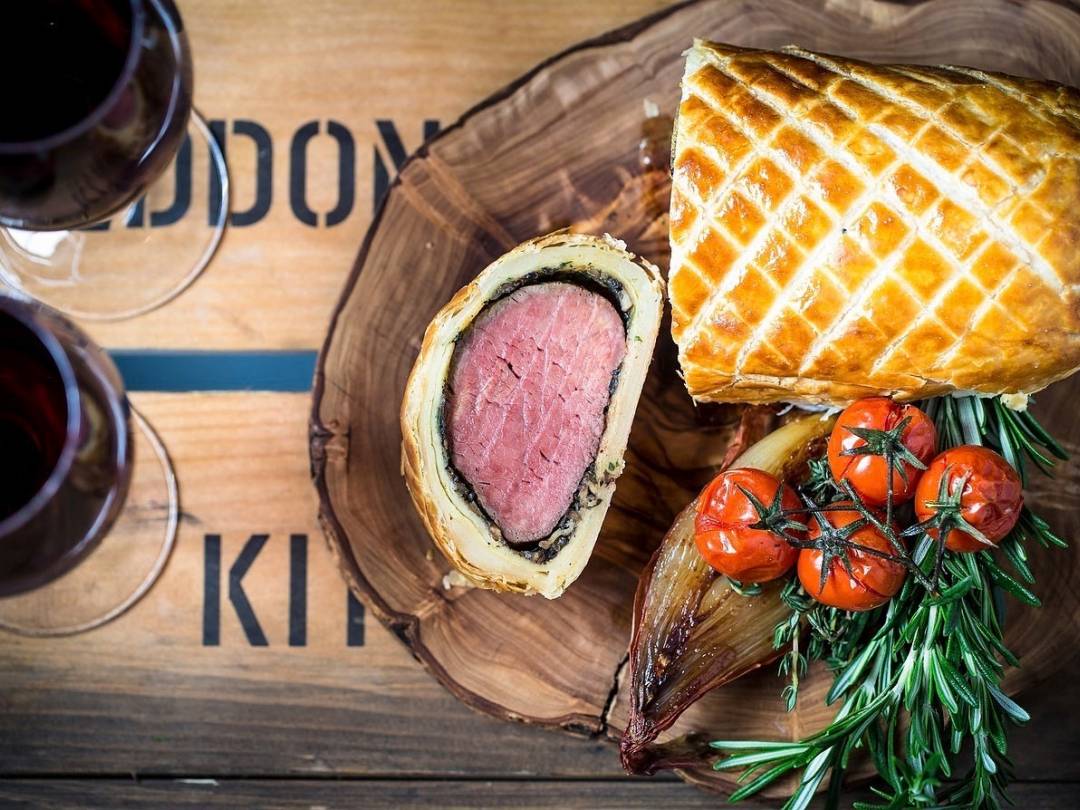
Use a sharp knife to cut neat slices. Show the layers of pastry, mushroom, and beef. Serve on a warm plate to keep it hot. Garnish with fresh herbs like thyme or parsley. A side of roasted vegetables or mashed potatoes complements well. Arrange the plate with care for a restaurant-style look.
Credit: www.gordonramsay.com
Frequently Asked Questions
What Is Gordon Ramsay’s Most Famous Recipe?
Gordon Ramsay’s most famous recipe is Beef Wellington. It features beef tenderloin wrapped in mushroom duxelles, ham, and puff pastry. This classic dish showcases his culinary skill and remains a signature favorite worldwide.
What Makes Gordon Ramsay’s Beef Wellington Special?
Gordon Ramsay’s Beef Wellington features premium beef tenderloin wrapped in mushroom duxelles, Parma ham, and golden puff pastry. His technique ensures a perfectly cooked, juicy center with a crispy outer layer, creating a balance of flavors and textures that stand out from other recipes.
How Do You Prepare The Mushroom Duxelles For Beef Wellington?
Mushroom duxelles is finely chopped mushrooms sautéed with shallots, garlic, and thyme until moisture evaporates. This mixture adds deep umami flavor and prevents the pastry from becoming soggy by absorbing juices from the beef during cooking.
What Is The Ideal Beef Cut For Beef Wellington?
The best cut for Beef Wellington is beef tenderloin or filet mignon. This cut is tender, lean, and cooks evenly, making it perfect for wrapping in pastry without drying out or becoming tough.
Conclusion
Chef Ramsay’s Beef Wellington recipe is a classic dish worth trying. It combines tender beef with rich mushroom and flaky pastry. Following simple steps helps you create a delicious meal. This recipe suits special occasions or weekend dinners. Enjoy cooking and impress your family with this tasty dish.
Practice makes perfect, so keep trying until you feel confident. Cooking Beef Wellington can bring joy and delicious moments to your table. Give it a chance and savor every bite!
geminichef.com is a participant in the Amazon Services LLC Associates Program, an affiliate advertising program. As an Amazon Associate, we earn from qualifying purchases made through our links.