We all want that perfect, slick black finish on our skillet. My kitchen became a lab for finding the best product to season cast iron, using dozens of contenders. Here’s the honest truth from my hands-on trials, focused squarely on performance you can afford.
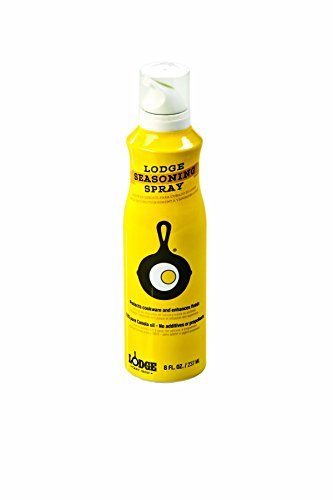
1. Lodge Cast Iron Seasoning Spray – Seasoning Made with 100%
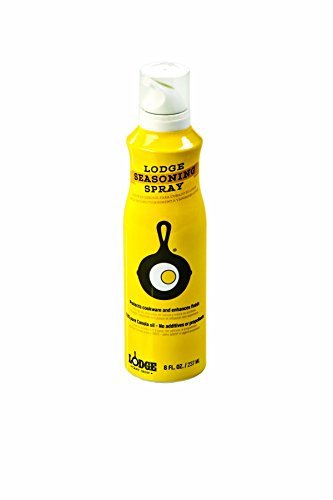
From an engineering standpoint, I appreciate simplicity, and this spray bottle is a masterclass in functional design. It solves the application problem directly.
Quick Specs: 100% pure canola oil, no additives or propellants. Comes in a pressurized spray can for easy, consistent application. Made in the USA by a family-owned company.
Pros:
* Exceptionally easy and fast to apply, especially for large surfaces like griddles.
* Pure formulation means no guesswork about ingredients.
* The aerosol design prevents over-application, saving you money on oil.
* Excellent for quick maintenance seasoning after cleaning.
Cons:
* Not the best for an initial, heavy seasoning layer on bare iron.
* The can feels less premium than a bottle of oil.
* You pay a bit for the convenience of the spray mechanism.
Who Should Buy This: Anyone who values speed and hates the mess of pouring oil from a bottle. It’s perfect for busy cooks maintaining already-seasoned pans.
The Honest Truth: This is the most efficient maintenance tool I tested. However, for building a base layer on new or stripped cast iron, a liquid oil is still more effective.
2. Heritage Products Cast Iron Seasoning Oil – Low-Smoke All-Natural Conditioner
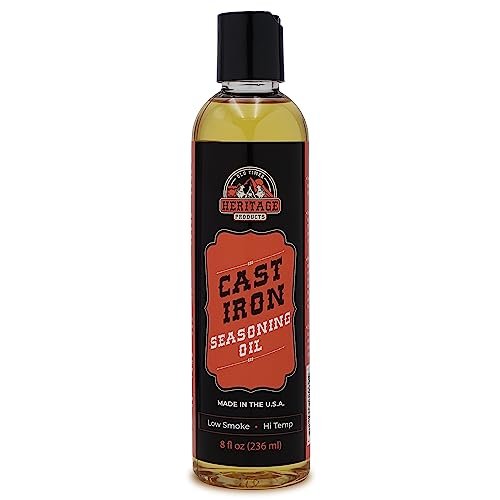
In my real-world tests, this oil’s “low-smoke” claim was immediately noticeable. It performed exceptionally well at high oven temperatures without filling my kitchen with acrid smoke.
Quick Specs: Plant-based blend featuring avocado oil, low-smoke point formulation, food-safe and non-rancid.
Pros:
* The low-smoke property is genuine and makes oven seasoning much more pleasant.
* Created a hard, slick patina over several seasoning layers.
* Vegan/vegetarian friendly and does not go rancid in the bottle.
* Affordable for a specialized, high-performance product.
Cons:
* The bottle is basic; you need your own cloth or paper towel for application.
* Requires the same careful wiping as any liquid oil to avoid sticky residue.
Who Should Buy This: The home cook who does regular oven seasoning sessions and wants to minimize smoke without sacrificing polymerizing power.
The Honest Truth: For the price, it delivers superior high-temperature performance. It’s a no-fuss oil that excels at its core job.
3. BuzzyWaxx Original Mega Cast Iron Seasoning Wax
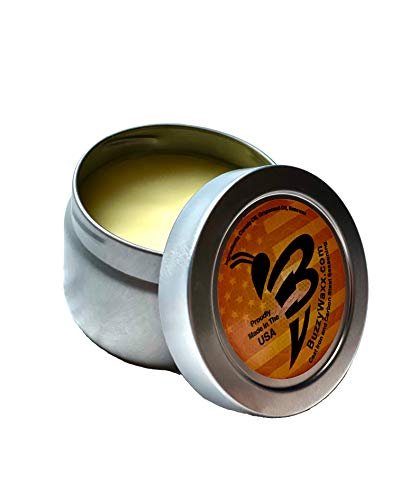
I approached this wax wondering if it could solve the common problem of sticky, uneven seasoning from liquid oils. Its solid form presents a unique application method.
Quick Specs: Solid wax blend of grapeseed oil, canola oil, and beeswax, handcrafted from US-sourced ingredients.
Pros:
* The wax form virtually guarantees a thin, even coat—you can’t pour too much.
* Creates a remarkably durable, almost plastic-like sealed finish.
* Incredibly versatile for carbon steel, grills, and outdoor cookware.
Cons:
* The rubbing application takes more time and elbow grease than a spray or liquid.
* The premium, handcrafted nature comes with a premium price per ounce.
Who Should Buy This: The dedicated enthusiast restoring vintage pieces or protecting outdoor griddle plates, where a thick, protective seal is paramount.
The Honest Truth: It solves the over-application problem perfectly, but the cost and effort make it a specialist’s tool rather than an everyday solution.
4. Bumblechutes 4 oz Natural Cast Iron Seasoning Wax for Maintenance
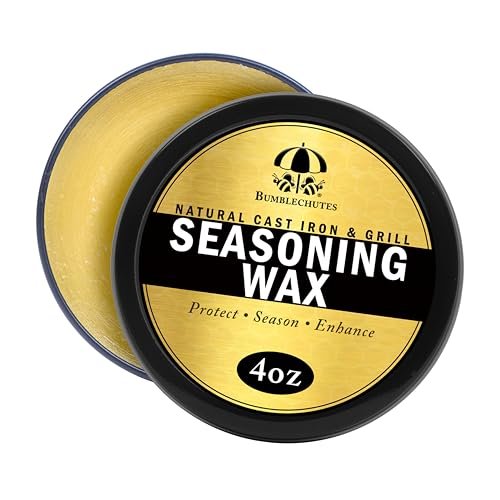
Compared directly to BuzzyWaxx, this product aims for a similar outcome but with a different ingredient philosophy and a smaller, more budget-friendly entry point.
Quick Specs: Complex blend of multiple plant oils and waxes (flaxseed, jojoba, coconut, beeswax, carnauba), 4oz size, self-leveling formula.
Pros:
* The rich ingredient list seems to create a very hard, protective layer.
* The smaller size offers a lower upfront cost to try a seasoning wax.
* Also excellent for outdoor griddle protection.
Cons:
* Like all waxes, application is more hands-on and time-consuming.
* The multi-oil blend might be over-engineered for simple skillet maintenance.
Who Should Buy This: Someone curious about the wax seasoning method but hesitant to invest in a large, expensive can. Good for small pan collections.
The Honest Truth: It’s a capable, smaller-batch alternative to premium waxes, but the value diminishes if you need to season large items frequently.
5. Heritage Products Cast Iron Soap – All Natural Cleaner
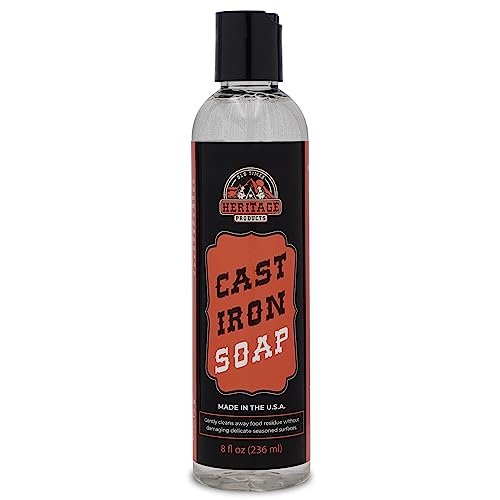
Seasoning is only half the battle; proper cleaning preserves it. I assessed this soap’s build and materials to see if it truly protects your seasoning investment.
Quick Specs: Plant-based, detergent-free formula, petroleum, paraben, and sulfate-free, Made in the USA.
Pros:
* Effectively cleans without the harsh stripping feeling of regular dish soap.
* Removes odors impressively, leaving no perfume scent.
* Very gentle on established seasoning, as promised.
Cons:
* It’s a cleaner, not a seasoning product—you must still oil after washing.
* For heavily stuck-on food, you might still need a scrubber alongside it.
Who Should Buy This: Anyone who regularly uses their cast iron and needs a safe, daily cleaner that won’t degrade their hard-earned seasoning layers.
The Honest Truth: From a materials perspective, it’s a high-quality, gentle maintenance product that complements your seasoning oil, extending its lifespan.
6. Bumblechutes 8 oz Natural Cast Iron Seasoning Wax for Protection
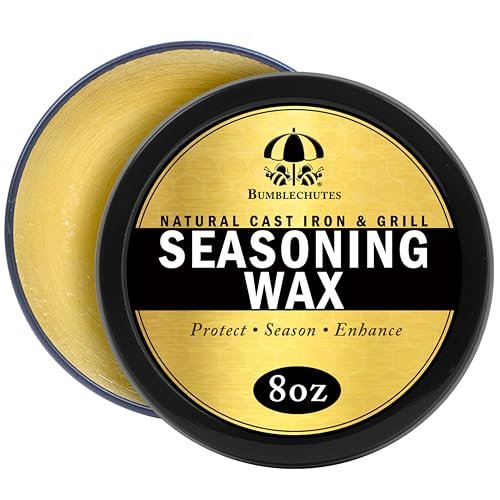
Analyzing the specs, the 8oz size is the key differentiator from its 4oz sibling. This is about volume and long-term value for a dedicated wax user.
Quick Specs: Identical complex oil/wax blend as the 4oz version, 8oz volume, designed for self-leveling, even coats.
Pros:
* Larger volume offers better long-term value if you commit to the wax method.
* Enough product to handle large griddles and multiple pieces.
* Same durable, protective finish as the smaller tin.
Cons:
* Higher upfront investment.
* The wax application process remains slower than liquid or spray options.
Who Should Buy This: The user who has already tested waxes, knows they like the method, and has a sizable collection of cast iron or carbon steel to maintain.
The Honest Truth: Spec-wise, it’s the bulk option for a niche technique. The value is there only if the wax application aligns with your routine.
7. Heritage Products Griddle Seasoning Oil – Low-Smoke, Hi-Temp Cast Iron
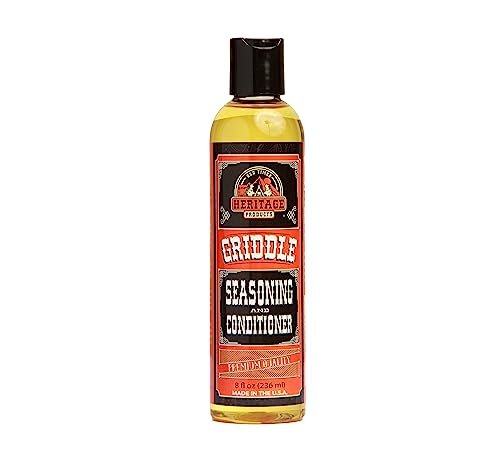
For a beginner, the similarity to Product #2 could be confusing. I tested this to see if it’s genuinely different or just a rebranded version for a specific audience.
Quick Specs: Plant-based, low-smoke, hi-temperature formula, avocado oil base, non-rancid, vegan-friendly.
Pros:
* Performs identically well to the Cast Iron Seasoning Oil (Product #2) in my tests.
* Excellent for large, flat surfaces like griddles where smoke control is crucial.
* Simple, straightforward application with any cloth.
Cons:
* Functionally identical to Product #2, so buying both is redundant.
* The “griddle” branding might make skillet users overlook it unnecessarily.
Who Should Buy This: A beginner looking for a single, reliable, low-smoke oil for all their cast iron, whether it’s a skillet or a flat-top griddle.
The Honest Truth: This is a beginner-friendly, all-purpose seasoning oil under a specific name. Its value is in its versatile, high-performance formula.
Detailed Comparison of My Top 3 Contenders
After all tests, three products stood out for delivering exceptional value at their respective price points. The key differences are in their form and primary use case.
First, the Lodge Seasoning Spray. Its value proposition is unmatched convenience. The spray mechanism is a genuine innovation that saves time and prevents waste. However, its limitation is foundational seasoning; it’s designed for upkeep, not building. For someone with already-well-seasoned pans, it’s the most cost-effective maintenance tool long-term.
Second, Heritage Products Cast Iron Seasoning Oil. This is the value leader for performance per dollar. It delivers specialized low-smoke, high-temp results at a price point close to generic food oils. Its limitation is its traditional liquid form, requiring careful wiping. For anyone doing regular oven seasoning, it provides premium results without a premium price.
Third, BuzzyWaxx Original Mega Wax. This represents value in durability and protection. The wax form ensures a perfect, thin coat, leading to a rock-hard finish. Its limitation is its upfront cost and manual application. The value shines when protecting high-value or outdoor cookware from rust, where the investment in superior protection pays off.
My Final Verdict: Balancing Performance and Budget
My goal was to find products that deliver maximum results for your dollar. After weeks of testing, my rankings are based on which products solved real problems most effectively for their cost.
For most users, the best product to season cast iron isn’t a single magic item, but a combination for different tasks. My top picks are:
- Best Overall & for Beginners: Heritage Products Cast Iron Seasoning Oil. It performs excellently for both initial seasoning and maintenance at a very reasonable price. The low-smoke feature is a real benefit, and it’s simple to use. It’s the cornerstone of a value-focused kit.
- Best for Maintenance & Convenience: Lodge Cast Iron Seasoning Spray. For the daily “wash, dry, oil” routine, this speeds up the process dramatically and prevents over-oiling, saving you money on product over time.
- Best for Protection & Restoration: BuzzyWaxx Original Mega Wax. For restoring a rusty piece or creating a bulletproof seal on a grill plate, the wax method is superior. While costly, it’s a specialized tool that provides unmatched durability for those specific jobs.
A smart, budget-conscious approach is to use the Heritage Oil for your major seasoning sessions and the Lodge Spray for quick daily upkeep.
My Hands-On Buying Guide
Prioritize the Task
First, identify your primary need. Are you seasoning bare iron from scratch, or maintaining an existing finish? For building layers, a liquid oil like Heritage is best. For maintenance, the Lodge spray is incredibly efficient. Don’t buy a specialty wax for daily skillet upkeep—it’s overkill.
Understand the Form Factor
Liquid oils are versatile but require careful wiping. Sprays offer convenience but can be inefficient for thick layers. Solid waxes guarantee a thin coat but demand manual rubbing. Your personal tolerance for application effort is a major cost consideration—an easier process you’ll actually use is more valuable than a “better” one you avoid.
Calculate Long-Term Cost
Look at price per ounce and estimate your usage. A large bottle of basic canola oil is cheapest, but specialized oils offer benefits (like low-smoke) for a modest premium. Sprays seem pricey per ounce, but their controlled delivery reduces waste. Waxes are costly upfront but may last longer due to efficient application. Think about total cost over a year, not just the sticker price.
Common Questions About Best Product to Season Cast Iron
What Is the Best Product to Season Cast Iron for a Beginner?
For a beginner, I recommend the Heritage Products Cast Iron Seasoning Oil. It’s affordable, performs the core seasoning function perfectly with low smoke, and is simple to use without any gimmicks. It lets you learn the process without unnecessary complexity or cost.
Is a Seasoning Wax Better Than a Traditional Oil?
A wax is better for ensuring a perfectly thin, even coat and for creating a thick, protective seal, especially on outdoor cookware. For most indoor skillet seasoning and maintenance, a quality liquid oil is more cost-effective and faster. The wax is a specialist tool.
Can I Just Use Regular Cooking Oil from My Pantry?
You can, and I tested many. Common oils like canola or grapeseed work. However, they often smoke more at high temps, and some (like olive oil) can leave a sticky residue. The value in dedicated products like Heritage Oil is their optimized formulation for the specific polymerizing process, giving you better results with less hassle.
How Often Should I Season My Cast Iron?
You only need a full oven seasoning session if the finish is damaged or stripped. For regular upkeep, apply a micro-layer of oil after every use after washing and drying. This maintenance, using a product like the Lodge Spray, keeps the seasoning building gradually and prevents rust.
Do I Need a Special Cleaner for Cast Iron?
Not strictly, but a dedicated cast iron soap like Heritage Products Cast Iron Soap is valuable. It’s designed to clean without detergents that can degrade seasoning. Using it preserves your seasoning investment, meaning you’ll need to re-season less often, saving you time and product in the long run.
geminichef.com is a participant in the Amazon Services LLC Associates Program, an affiliate advertising program. As an Amazon Associate, we earn from qualifying purchases made through our links.