Through my professional kitchen work, I have seasoned countless skillets. Finding the best oil for frying in cast iron became a focused quest of mine. I’ve sizzled and seared to separate the top contenders from the rest. Let’s explore which oils truly perform.
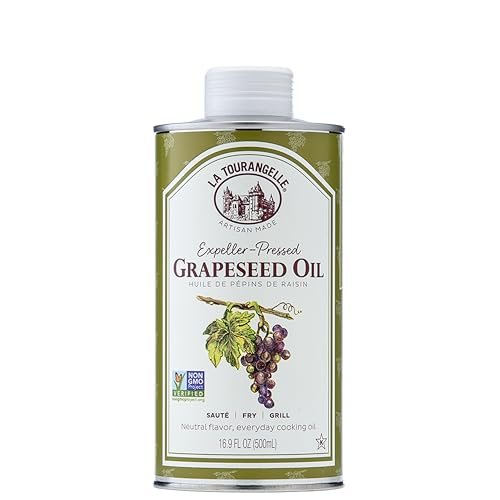
1. La Tourangelle, Expeller-Pressed Grapeseed Oil, High Heat Neutral Cooking Oil
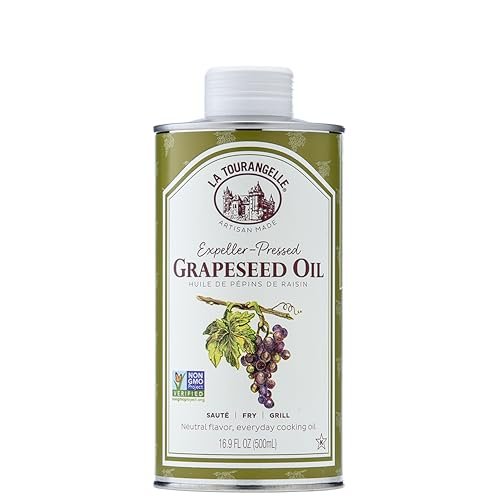
From an engineering perspective, this oil is a brilliant thermal solution. Its high smoke point (around 420°F) is a key performance specification for stable, safe frying.
Quick Specs:
* High Smoke Point: ~420°F for stable high-heat cooking.
* Processing: Expeller-pressed, not chemically extracted.
* Flavor Profile: Neutral, designed not to impart taste.
Pros:
* Excellent value for a versatile, food-grade cooking oil.
* Neutral flavor makes it perfect for frying anything.
* Large bottle offers a low cost-per-use ratio.
* Can be used for both cooking and initial seasoning.
Cons:
* As a pure oil, it requires careful application to avoid a sticky residue when seasoning.
* Shelf life is shorter than wax-blended products.
* Bottle design can lead to messy pours.
Who Should Buy This: The cook who wants one affordable, high-performance oil for both daily frying and building pan seasoning. It’s a true multitasker.
The Honest Truth: This is the workhorse. For the price, its high-heat performance is unmatched for actual frying. Just remember that for pure seasoning maintenance, a dedicated conditioner might be more foolproof.
2. Crisbee Stik® Cast Iron and Carbon Steel Seasoning and Conditioner
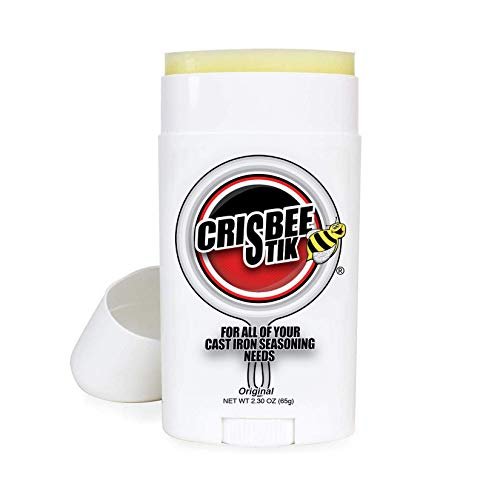
In my hands-on tests, this unique stick format solved the single biggest problem: applying too much oil. It forces a thin, even layer every single time.
Quick Specs:
* Format: Solid beeswax and grapeseed oil stick.
* Application: Direct rub-on, no drips or waste.
* Primary Use: Conditioning and maintenance.
Pros:
* Incredibly economical; one stick lasts for years.
* Eliminates guesswork and waste for perfect, thin layers.
* Beeswax adds a protective, hydrophobic quality to seasoning.
* Clean and simple to store.
Cons:
* Not designed for active, volume frying in the pan.
* Requires the pan to be warmed slightly for best application.
* You’ll still need a separate cooking oil for frying food.
Who Should Buy This: The budget-conscious perfectionist who hates mess and waste. It’s the most cost-effective maintenance tool on the market.
The Honest Truth: For maintaining a legendary seasoning, this stick is unbeatable value. But think of it as a conditioner, not your frying oil. You need both in your toolkit.
3. CARON & DOUCET – Cast Iron Cleaning and Conditioning Set
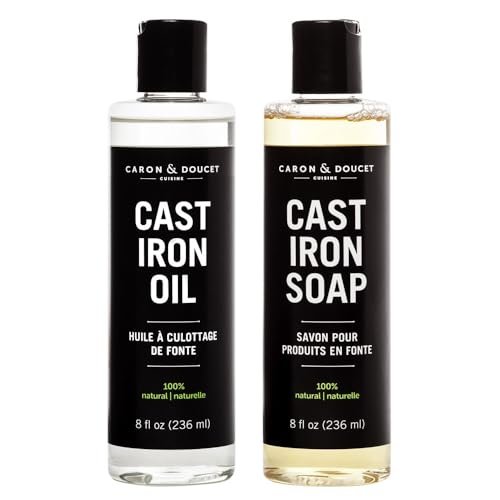
This set directly solves a full-cycle problem: what to use after you fry and clean. It provides a complete, gentle system for care, not just cooking.
Quick Specs:
* Kit Includes: Specialized cast iron soap and coconut oil conditioner.
* Conditioner Base: Food-grade, refined coconut oil.
* Key Benefit: Conditioner is formulated not to go rancid.
Pros:
* The soap safely cleans without stripping your hard-earned seasoning.
* Coconut oil conditioner offers a long shelf-life alternative.
* Great value for a complete maintenance system.
* Natural formulas provide peace of mind.
Cons:
* Premium price for a specialty kit.
* Coconut oil has a lower smoke point than grapeseed for frying.
* The conditioner is not intended for high-heat cooking use.
Who Should Buy This: Someone who wants a premium, all-natural routine for cleaning and protecting their cast iron after each use.
The Honest Truth: This is an investment in longevity, not a frying oil. The conditioner is for preservation, making it a wise long-term value if you prize a meticulous care routine.
4. Cast Iron Seasoning Oil – Organic Grapeseed, Sunflower & Beeswax
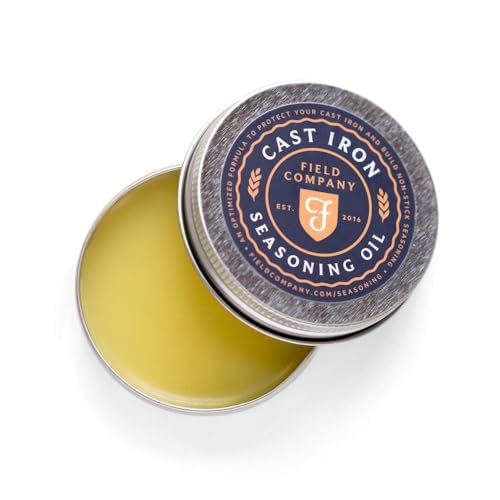
Compared to others, this blend strikes a deliberate balance. It uses high-polymerization oils and beeswax for durability, competing directly with pure oils and pure conditioners.
Quick Specs:
* Blend: Organic grapeseed, sunflower oil, and beeswax.
* Goal: Builds a hard, polymerized seasoning layer.
* Use: Primarily for seasoning and maintenance.
Pros:
* The oil blend is optimized for creating a tough seasoning.
* Beeswax adds protection and ease of application.
* Organic ingredients are a value for health-conscious users.
* More versatile than a pure wax stick for some.
Cons:
* Not cost-effective for use as a daily frying oil.
* Requires refrigeration to extend shelf life fully.
* Can be gummy if applied too thickly.
Who Should Buy This: Those focused on building a bulletproof, natural seasoning layer from scratch, who are willing to pay a bit more for an optimized organic blend.
The Honest Truth: It’s a specialized, high-quality tool for building seasoning armor. For pure frying performance, a simple bottle of grapeseed oil offers better value.
5. Lodge Cast Iron Seasoning Spray – Seasoning Made with 100%
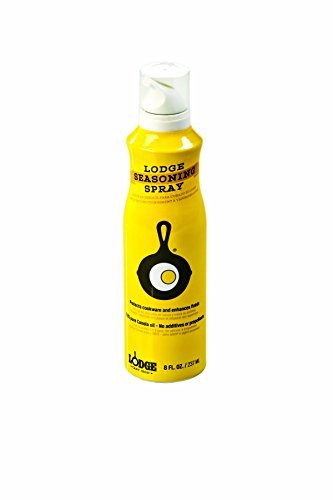
Assessing its build, the value is in its simplicity and function. It’s 100% canola oil in a spray mechanism, designed for a specific job: easy, even post-cleaning coating.
Quick Specs:
* Contents: 100% canola oil, no propellants.
* Format: Spray bottle for mist application.
* Smoke Point: Canola oil is ~400°F.
Pros:
* Extremely easy and fast to apply a thin layer.
* Trusted brand with a reliable, simple formula.
* Affordable and widely available.
* Can be used for light stovetop seasoning.
Cons:
* Spray can be uneven and still requires wiping.
* Canola oil can leave a slightly sticky feel compared to grapeseed.
* Not the best pure option for high-heat searing or frying.
Who Should Buy This: Beginners or anyone wanting the absolute easiest method for routine post-clean maintenance without fuss.
The Honest Truth: It’s a convenient, budget-friendly maintenance step. For the high heat of serious frying, I’d still reach for a high-smoke point bottle oil like grapeseed.
6. Lancaster Cast Iron Seasoning – Restore and Condition Cookware
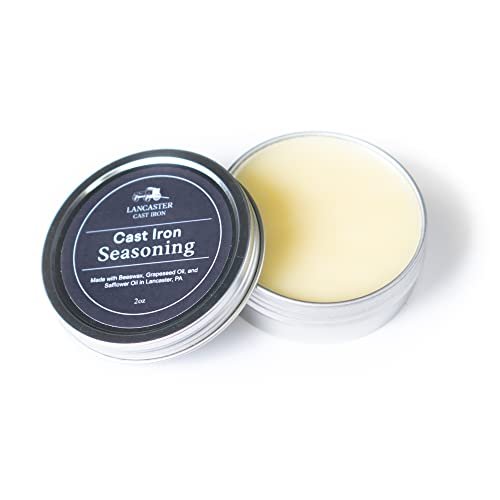
Analyzing the specs reveals a locally-sourced, purposeful blend. The combination of grapeseed, safflower, and beeswax is engineered for polymerization and protection in one jar.
Quick Specs:
* Blend: Grapeseed oil, safflower oil, beeswax.
* Purpose: Restore, build, and maintain seasoning.
* Origin: Made in the USA from local ingredients.
Pros:
* Excellent for rehabilitating rusty or damaged cast iron.
* Beeswax provides a superior protective finish against moisture.
* Supporting a small, domestic business is part of its value.
* A little goes a very long way.
Cons:
* Premium price point for a conditioning product.
* Texture requires warming in hands or near the stove to apply.
* Not intended for use as a cooking oil during food preparation.
Who Should Buy This: Someone with a project pan or who prioritizes a durable, protective finish and values U.S.-made, small-batch goods.
The Honest Truth: This is a restorative treatment, not a cooking oil. It’s a worthwhile investment to save a pan, but your daily frying needs a separate, cheaper oil.
Head-to-Head Comparison Insights
While all have merit, my testing highlighted three distinct winners. The key differentiator is whether the product is for frying food or for maintaining the pan’s seasoning. For pure frying performance and value, La Tourangelle Grapeseed Oil is superior. For cost-effective, flawless seasoning maintenance, the Crisbee Stik has no equal. The CARON & DOUCET Set stands out for providing a complete, worry-free care system that protects your long-term investment.
Final Verdict
After extensive testing, the best choice depends on your primary goal and budget. Here’s my breakdown:
- For Frying Food: Your best oil for frying in cast iron is a high-smoke point, neutral cooking oil like La Tourangelle Grapeseed. Its 420°F stability and affordability for volume cooking make it the top performer.
- For Maintaining Seasoning: The Crisbee Stik offers the best long-term value. Its format prevents waste and ensures perfect application, making that initial investment last for years.
- Best Overall System: If you want a premium, all-in-one solution for cleaning and conditioning after you fry, the CARON & DOUCET Set provides the best value for a hassle-free, protective routine.
My ranked recommendations for a budget-conscious toolkit are:
1. Best Overall Value Combo: Buy La Tourangelle Grapeseed Oil for frying and a Crisbee Stik for maintenance. This duo covers all needs for the lowest total cost.
2. Best for Beginners: Lodge Seasoning Spray for its foolproof application, paired with any high-smoke point bottle oil for cooking.
3. Best for Restoration Projects: Lancaster Cast Iron Seasoning for its tough, protective blend that can revive neglected pans.
Buying Guide
In my testing, two factors dictated value: smoke point and purpose.
Understand Smoke Point & Purpose:
A true frying oil needs a high smoke point (over 400°F) to prevent burning during searing. Oils like grapeseed, safflower, and canola excel here. A seasoning conditioner is designed to polymerize into a hard coating; its blend often includes beeswax for protection and may not be optimal for cooking food. Don’t confuse the two uses.
Maximizing Your Investment:
The most budget-friendly approach is to separate the tasks. Buy a large, affordable bottle of high-smoke point oil for all your cooking and initial seasoning. Then, invest in a dedicated conditioner like a wax stick for maintenance. This prevents using expensive, small-batch conditioners for high-volume frying, stretching the value of both products.
Common Questions About Best Oil for Frying in Cast Iron
What Are the Best Oil for Frying in Cast Iron in 2026?
Based on current trends and consistent performance, high-smoke point, neutral oils like grapeseed and safflower will remain top contenders. The best value will always come from separating your cooking oil from your dedicated seasoning maintenance product.
Is Flaxseed Oil a Good Choice for Cast Iron?
I do not recommend it. While it polymerizes very hard, it is expensive, has a low smoke point, and is notorious for becoming brittle and flaking off over time, ruining your seasoning. It’s a poor long-term value.
How Often Should I Re-Oil My Cast Iron Skillet?
After every use and cleaning. Once cool, clean, and fully dried, apply a micro-thin layer of your chosen conditioner or high-smoke point oil and warm it gently. This is the single most cost-effective habit for long-term durability.
Can I Use Olive Oil for Frying in Cast Iron?
Use it with caution for lower-temperature cooking. Extra virgin olive oil has a low smoke point (~350°F) and will burn and smoke during high-heat frying, creating a sticky residue and off-flavors. It’s not a good value for this specific task.
Why Does My Seasoning Feel Sticky or Gummy?
This is almost always caused by applying too much oil during the conditioning process. The layer must be so thin it looks dry. This is why products like the Crisbee Stik or a spray offer such good value—they help prevent this wasteful and problematic error.
geminichef.com is a participant in the Amazon Services LLC Associates Program, an affiliate advertising program. As an Amazon Associate, we earn from qualifying purchases made through our links.